


WARNING: This story contains references to suicide. Resources can be found below.
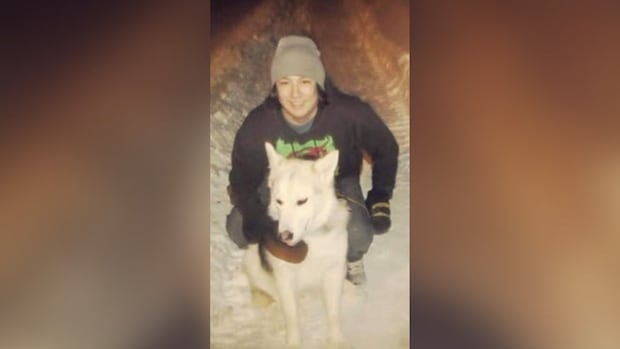
Percy Adam Henry was a rambunctious child who grew up to be a selfless, caring father of two boys, his family told those at the coroner’s inquest exploring the circumstances surrounding his death.
Henry was a member of Wabaseemoong Independent Nations who grew up in Naotkamegwanning First Nation, formerly known as Whitefish Bay, in northwestern Ontario.
The 27-year-old died at Lake of the Woods District Hospital Feb. 8, 2021 following a suicide attempt at the Kenora Jail, the inquest jury heard.
In a coroner’s inquest, a five-member jury is tasked with answering questions including medical causes of death and how someone died — by natural causes, accident, homicide, suicide or undetermined.
Jurors can’t make any legal finding or lay blame on anyone, but they may make recommendations aimed at preventing future deaths.
“When I look in the mirror, I see my brother Percy. People say I look a lot like him,” Henry’s younger sister, Monse Henry, told the jury.
“I hope this inquest will bring closure and answers about what happened to my brother.”
Henry’s inquest, which began Wednesday, comes as an inquest into the death of 27-year-old Kevin Mamakwa at the Thunder Bay Jail June 2, 2020 comes to a close.
85 per cent of jail’s inmates identify as Indigenous
Henry’s inquest is discretionary, which means it isn’t mandatory under the Coroners Act.
His death has already been thoroughly examined by a coroner as well as the Ontario Provincial Police (OPP) and the Office of the Correctional Investigator, the jury heard. The inquest is being viewed as the final stage of the coroner’s investigation into what happened.

The jury heard Henry’s cause of death was pneumonia resulting from ischemic encephalopathy, a serious brain injury caused by restricted blood flow to the brain.
Etienne Esquega, the inquest’s presiding officer, said the proceedings will explore policies, procedures and training for correctional officers and medical staff at the Kenora Jail related to:
- Admission, intake and discharge.
- Cell obstruction and rounds.
- Emergency response.
- Hospital transfers.
- Suicide awareness and prevention.
- Working with Indigenous inmates.
- Working with inmates that have mental illness or trauma.
About 87 per cent of inmates at the Kenora Jail identified as Indigenous in January 2021 and 85 per cent in January 2026, the jury heard.
Esquega said the inquest will also look at the availability of Indigenous-specific services at the jail, as well as opportunities for “preventative services and any practical system — modifications to the jail, mental health and social support systems — that would prevent further deaths in circumstances similar to Mr. Henry’s.”
Health concerns, incarceration history
Jenna Simpson, who is serving as inquest counsel alongside Peter Napier, told the jury Henry was diagnosed with Fetal Alcohol Spectrum Disorder (FASD), which affects the brain and body of those exposed to alcohol in the womb.
In 2018, Henry was placed under a suicide watch at the Kenora Jail after acknowledging a previous suicide attempt, she said. He was also admitted to the jail in 2019, and later experienced a head injury after being attacked with a hatchet.
Henry was arrested by the Kenora OPP Jan. 19, 2021 and again Feb. 4, 2021, each time for allegedly breaking into a pharmacy and attempting to access drugs.
He told correctional staff he was experiencing withdrawal from methamphetamine and hydromorphone but was not having thoughts of suicide or self-harm, Simpson said.
On Feb. 5, 2021, Henry was found unconscious in his cell, hidden by a bed sheet. Staff performed chest compressions, administered oxygen and naloxone, and used a defibrillator, but he did not regain consciousness.
Henry’s family agreed to take him off life support at the hospital three days later, Simpson said.
Dreams of a ‘happy, simple life’
The jury heard written statements from Henry’s brother, Willard Henry, and Henry’s partner, Emily Baines.
Willard said he and his brother were often mistaken for twins. Henry always had a sense of humour, and the pair enjoyed going to parties and having fun.
Willard said his brother loved the outdoors and wasn’t afraid to pick up snakes with his bare hands, even if they bit him.
“I hope things can happen with this inquest to prevent future events in our little town from happening again,” Willard said.
Baines described her partner as “the kind of person who would help everyone before himself.”
She said she wishes he received the mental health support he needed.
“Percy’s dream for the future was to get sober and live a happy, simple life,” she said.
Henry’s inquest, which is being held virtually and streamed online, is expected to last eight days and hear from about 14 witnesses.
If you or someone you know is struggling, here’s where to get help: