







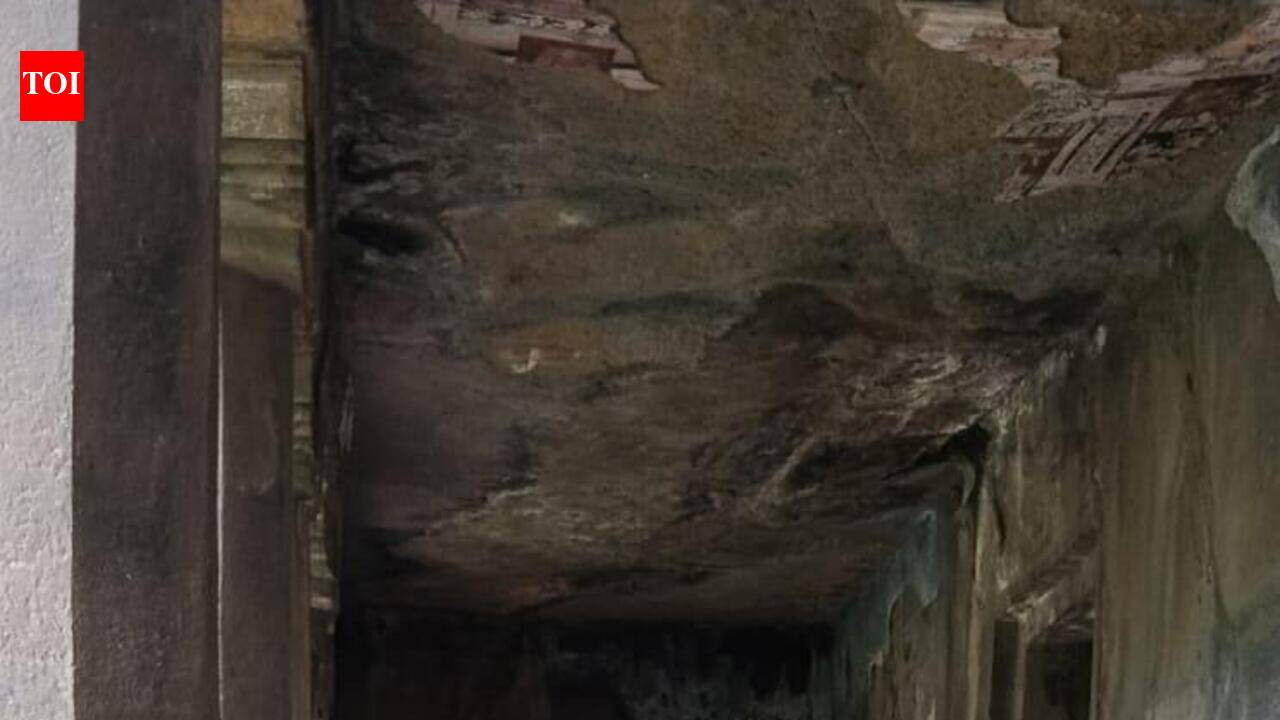
Chhatrapati Sambhajinagar: Plastic buckets placed beneath trickling rainwater at the entrance of Ajanta’s ancient caves have once again raised uncomfortable questions about the long-term protection of one of the world’s most celebrated heritage sites.Seepage has been noticed at the verandas of Caves 1, 16 and 17 at the Unesco World Heritage Site following intense spells of rain in the region, reviving a problem that conservation authorities believed had largely been brought under control years ago.The Archaeological Survey of India (ASI) has, however, clarified that no seepage has been reported inside the caves or near the priceless paintings dating back nearly two millennia. Yet, images of buckets collecting rainwater at the entrances of the historic cave complex are worrisome. At a monument that has survived empires, invasions and centuries of weathering, even a few drops are enough to cause significant damage.ASI conservation assistant Manoj Pawar said the seepage was minor and confined to the entrance areas. “Minor seepage of rainwater has been noticed at the verandas of Caves 1, 16 and 17. We have placed buckets to collect the dripping water to prevent the entrance surface from becoming wet, as visitors would then need to remove their footwear while entering the caves,” he said.
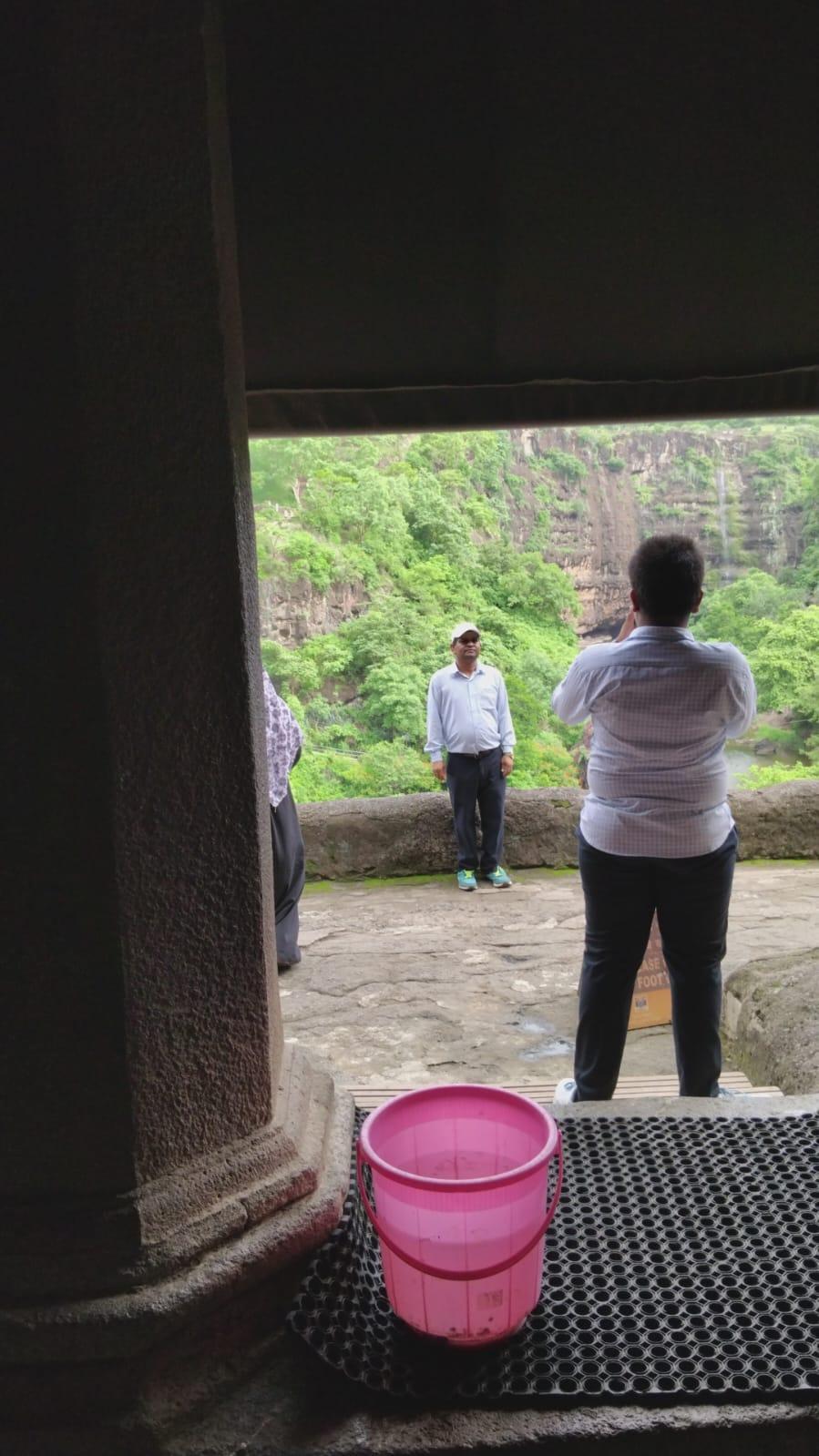
Seepage has been noticed at the verandas of Caves 1, 16 and 17 at the Unesco World Heritage Site
Pawar attributed the issue to surplus showers and said measures recommended by the Geological Survey of India (GSI) had successfully prevented seepage for several years.“As per GSI recommendations, small contour drainages were created atop the hill to channelise rainwater. It effectively addressed the issue for the past many years,” he said.The development comes amid an exceptionally wet monsoon in Soegaon taluka, where Ajanta is located. The region has received 668mm of rainfall since June 1, or 164% of its normal seasonal average.While archaeologists insist the paintings and interiors remain unaffected, heritage experts say even minor seepage is a reminder of the constant battle between nature and preservation at the 2,000-year-old monument.
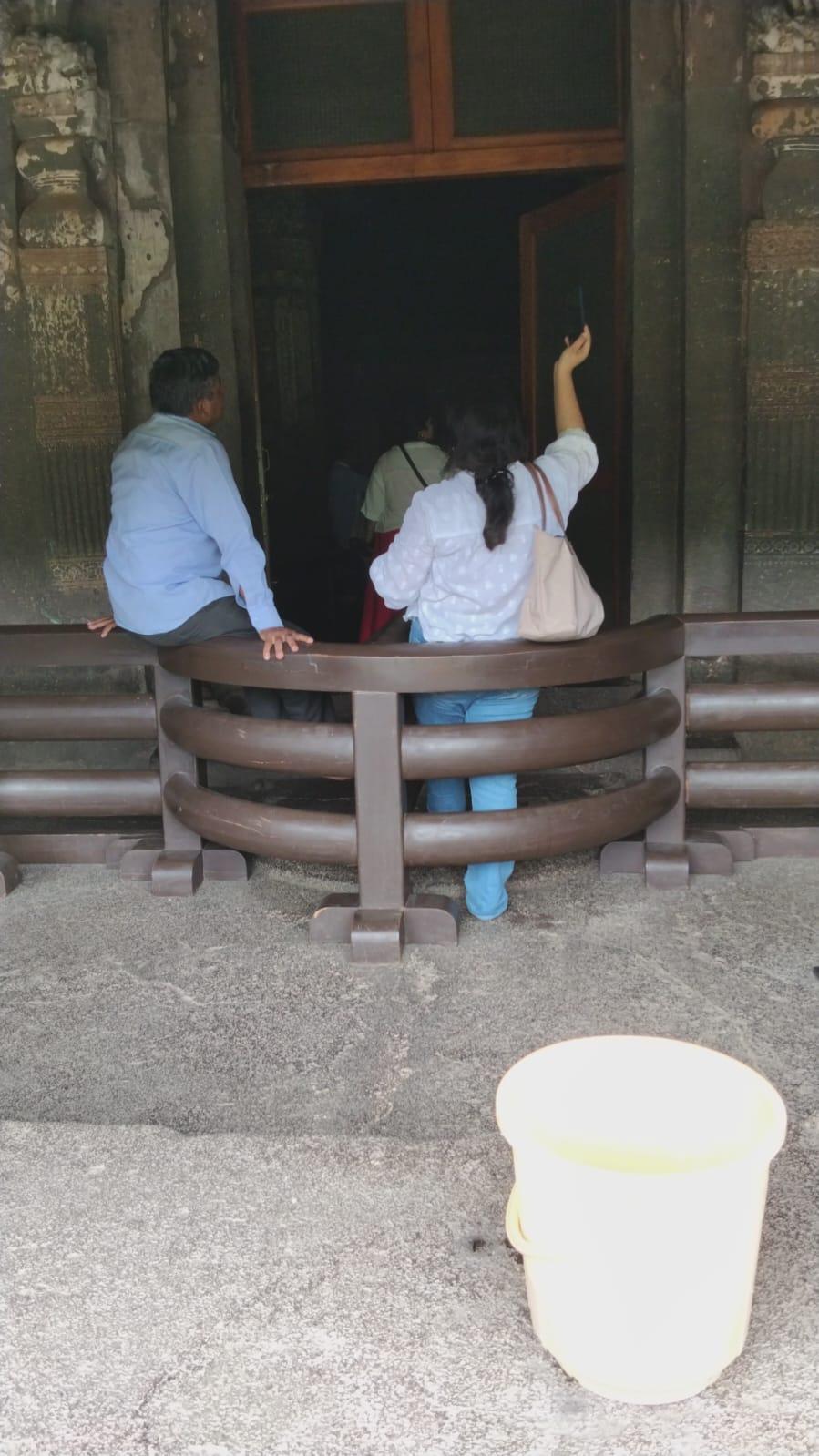
The Archaeological Survey of India has clarified that no seepage has been reported inside the caves or near the priceless paintings dating back nearly two millennia.
Advocate Swapnil Joshi, co-convener of INTACH, said protecting Ajanta requires continuous vigilance. “The preservation and conservation of the World Heritage Site for future generations is a fundamental duty of govt. A sustainable strategy for the caves and priceless paintings inside is the need of the hour,” he said.An expert ASI team is expected to inspect the site shortly. Superintending archaeologist for ASI, Aurangabad (Chhatrapati Sambhajinagar) circle, Arun Malik did not respond to requests for comments.