








Australia’s sex discrimination commissioner has condemned a bill seeking to change the Sex Discrimination Act, fearing it would erode the rights of all women while harming the LGBTQI+ community.
Commissioner Dr Anna Cody said her office was not consulted on the private members’ bill from Alison Penfold, the federal member for Lyne and Nationals MP.
It aims to change the legal definition of a man and woman as defined purely by biological sex.
It could restrict trans women from accessing female-only spaces like bathrooms, change rooms, gyms, sporting groups and prisons.
Dr Cody described it as a “retrograde step” for all women.
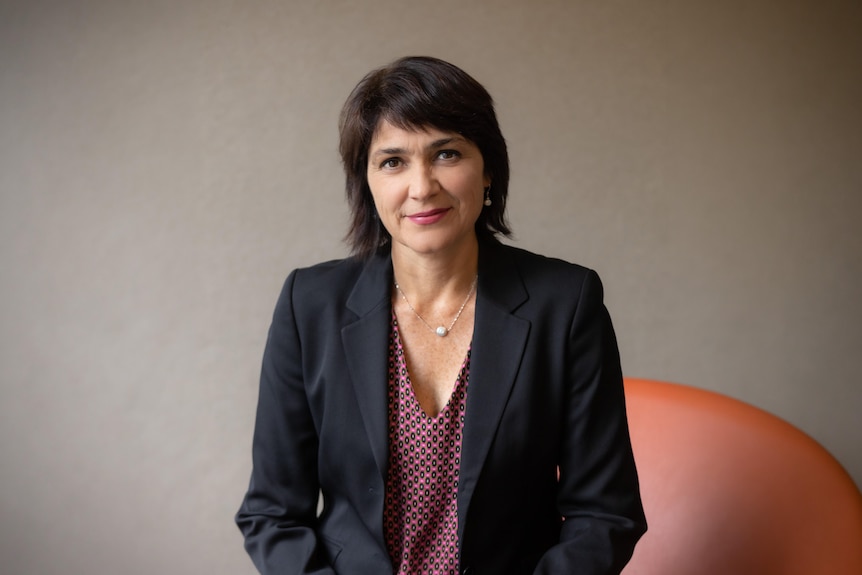
Dr Anna Cody says women have fought for decades not to be defined by their biological sex. (Supplied: Dr Anna Cody)
“The women’s movement has fought for centuries to avoid being defined only by biology,” she said.
“We know that being a woman has many aspects to it, and that biological aspect is one part of it, but not the entirety of it.”
Dr Cody said the bill created “false competition” between women’s and trans rights, while harming one of Australia’s most vulnerable communities.
“It sends a strong message to a tiny, marginalised, disadvantaged community which is less than one per cent of the population that they’re not welcome, their needs aren’t important, and that their right to be welcome and included in society is not being respected,” Dr Cody said.
Ms Penfold’s bill comes after Giggle for Girls founder Sall Grover lost her appeal against trans woman Roxanne Tickle in the federal court. The court found that Ms Grover had discriminated against Ms Tickle by banning her from the women-only app.
Ms Penfold said the case highlighted the need to protect the rights of “biological women”. The issue was brought to her three years ago by anti-trans activist Kirralie Smith, also from her northern New South Wales electorate.
“The court now has to interpret whether sex or gender identity prevails where there is a conflict,” Ms Penfold said.
“Women should not be silenced into submission to accept a law that takes away their right to say ‘no’ to men.“
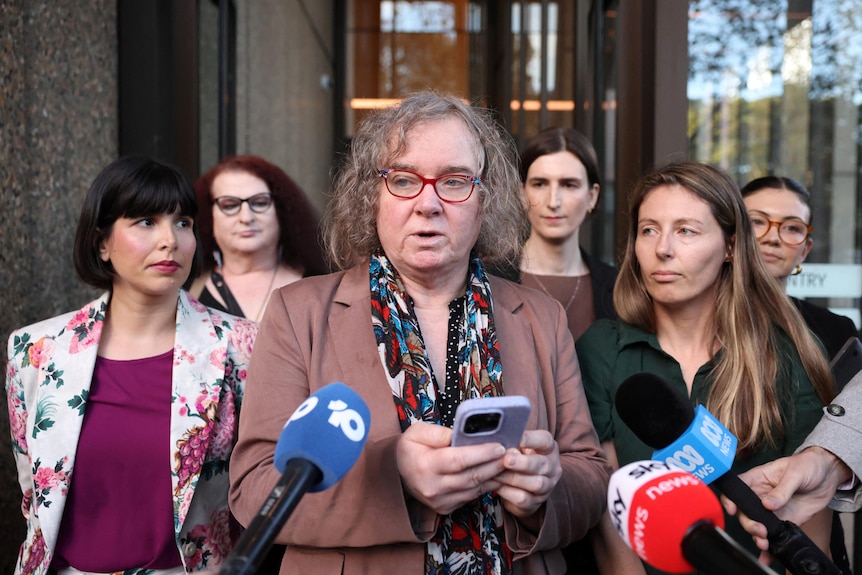
Ms Penfold says the Tickle v Giggle case highlighted “ambiguity” in the legal system. (Reuters: Hollie Adams)
The definition of man and woman was altered in the Sex Discrimination Act in 2013, to acknowledge and enhance protections for gender-diverse people, while recognising the scope of gendered discrimination.
Ms Penfold’s bill would need to pass the Labor-controlled House of Representatives and the Senate before being implemented.
The MP did not directly respond when asked if she had consulted the Office of the sex discrimination commissioner.
But she called “for the parliament to undertake a comprehensive examination of these issues through a joint select committee on sex-based rights”.
“I acknowledge that some transgender Australians will have concerns about the Bill, and I respect their right to hold and express those views,” she said.
“The Bill does not remove protections for transgender Australians. Gender identity remains a protected attribute under the proposal.”
Threats not based on ‘fact’
Dr Cody said perceived threats of trans women in spaces like women’s bathrooms were not based on fact.
“There is absolutely no research, no evidence that demonstrates that enabling trans women to use those spaces, that there is a greater risk of danger,” she said.
“That is not true. In fact, trans women themselves are at high risk of violence.”
Gender-diverse Australians are four times more likely to be victims of violence.
A paediatric study found that trans young people were between 26 and 149 per cent more likely to be sexually assaulted in bathrooms not aligned with their gender identity than their peers.
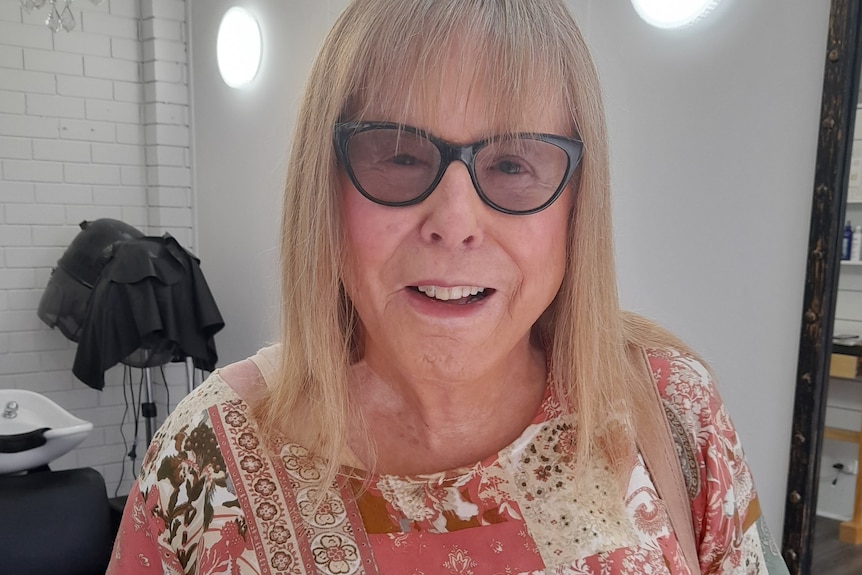
Denise Murdoch says the news has been distressing. (Supplied: Denise Murdoch)
Community backlash
Denise Murdoch, a trans woman from the NSW town of Forster which is in Ms Penfold’s electorate, said she feared the change would undo decades of progress for the trans and LGBTQI+ community.
“It upsets me a bit because I know who I am, the doctors know who I am, the government knows who I am,” she said.
“I’m now classed as a female on my birth certificate, on my driver’s licence. I think Alison is living in the days of the horse and cart.“
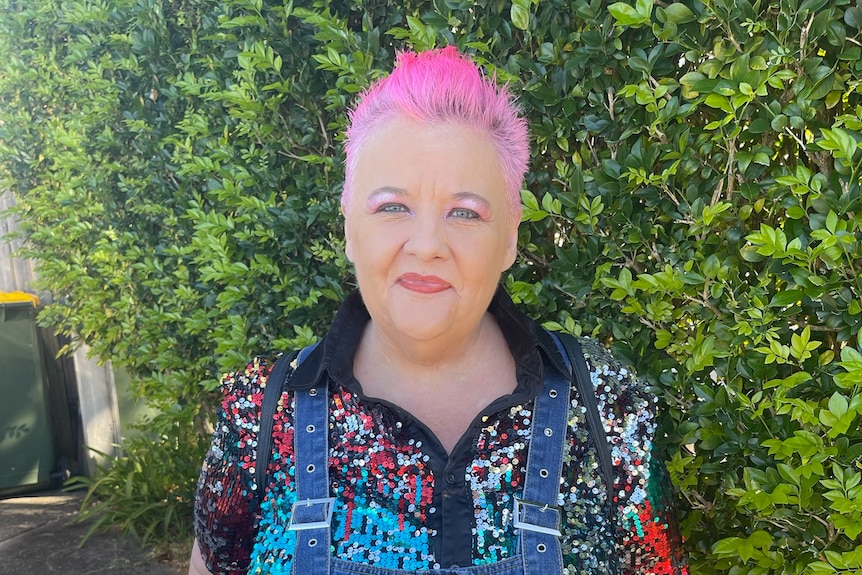
Kim Kilburn is the founder of Forster Rainbow Pride. (Supplied: Kim Kilburn)
Kim Kilburn, from Forster Rainbow Pride, said the proposal would isolate the trans community.
“I feel they have been targeted,” she said.
“A lot of people are concerned if you take away certain rights that have been established, they can continue, and then other hard-fought rights will start to erode as well.
“Not just for the LGBTQI+ community, but for heterosexual people as well.”