







When grazier Matthew Peart took over his family’s organic beef operation almost 20 years ago, his pastures were rundown and the future looked as bleak as the barren paddocks.
Alongside his brother, he embarked on a journey to regenerate the 6,000 hectare property in central Queensland,
“It was a bit of a lonely road at times … all of a sudden you were speaking a language that most of your peers didn’t really understand or couldn’t relate to,”
he said.
His experience is reflected in the first Farms in Focus report, which found farmers are embracing new land management practices, but implementing change remained difficult.
But even amidst global volatility and uncertain weather, Mr Peart is unashamedly optimistic about the future, and the survey results suggest he’s not alone.
Regeneration imagination
In the late 1990s Mr Peart’s Carnarvon Range property, about 600 kilometres north-west of Brisbane, was gripped by pasture rundown.
Decades of continuously stocking cattle in the same paddocks had reduced the nitrogen in the soil to the point that grass would not grow.
“You had areas (of paddocks) that were bare … that was the catalyst to change,” he said.
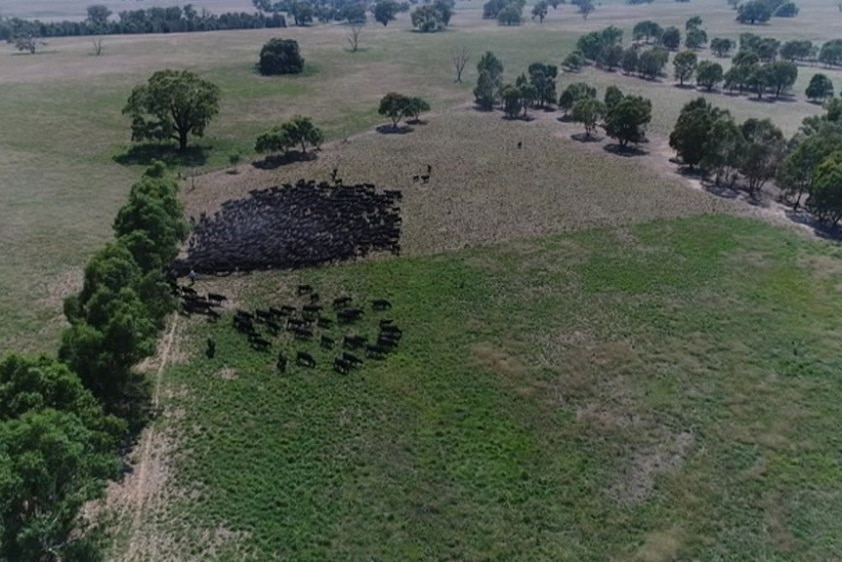
Rotational grazing keeps cattle in bigger mobs and moves them around the farm to give the environment time to rest and recover is an example of regenerative agriculture.
(Matt Roberts ABC News)
But changing to regenerative practices did not come easily.
“New ideas are wonderful things until somebody wants to actually implement them,”
Mr Peart said.
“We didn’t start with grazing at all, we started with the business analysis.”
The fourth-generation farmer split the farm’s 10 paddocks into 70 smaller cells, rotating the grazing cattle each day into new pastures, allowing the land to rest in between.
Mr Peart said he participated in the survey to encourage others to embrace change.
“My takeaway from the survey was that there are a significant portion starting on this journey or intending to start on this journey,” he said.
“Just keep going — you’re on the right track, just keep going — it is worth it in my mind.“
The result has been more profit, more resilience, and more optimism.
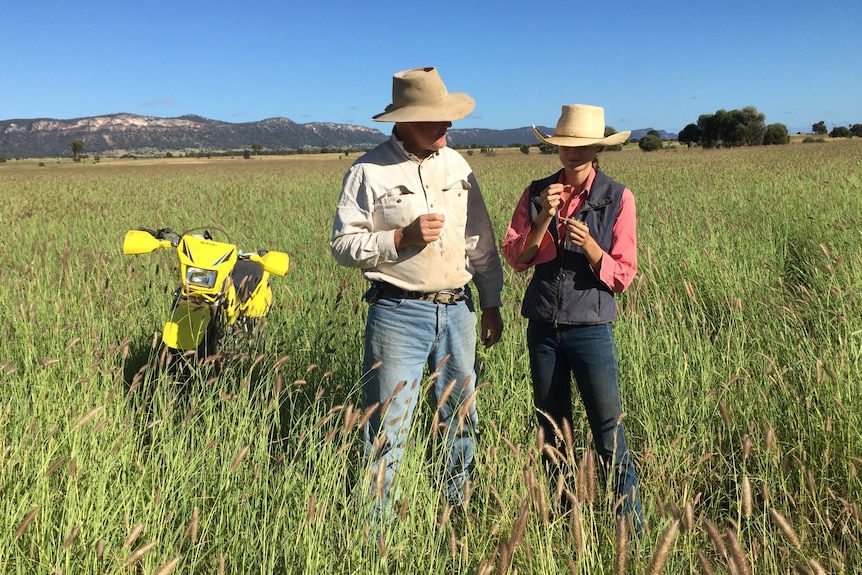
Matthew Peart says adopting regenerative agriculture practices have excited the next generation to take over the farm. (Supplied)
“The ability to understand where you are in the world and how far your pastures will take you is fantastic,” he said.
“The other beautiful thing is that it does give you a wholesome business model for the younger generation to get their teeth into and get excited about.”
Led by researchers at Harvard University and commissioned by the Commonwealth Bank, the survey captured data from 500 Australian farmers across all states and territories between November 16, 2025 and March 16, 2026.
Changing it up
Behavioural economist Michael Hiscox grew up on a small dairy farm near Tamworth in New South Wales, but is now a professor of International Relations at Harvard.
His team found input costs were the top concern, even before the war in Iran started, followed by natural disasters and extreme weather events.
“The fact that ranked second across all farmers, both in the immediate term and the long term, I think is quite important and surprised me a little bit,”
he said.
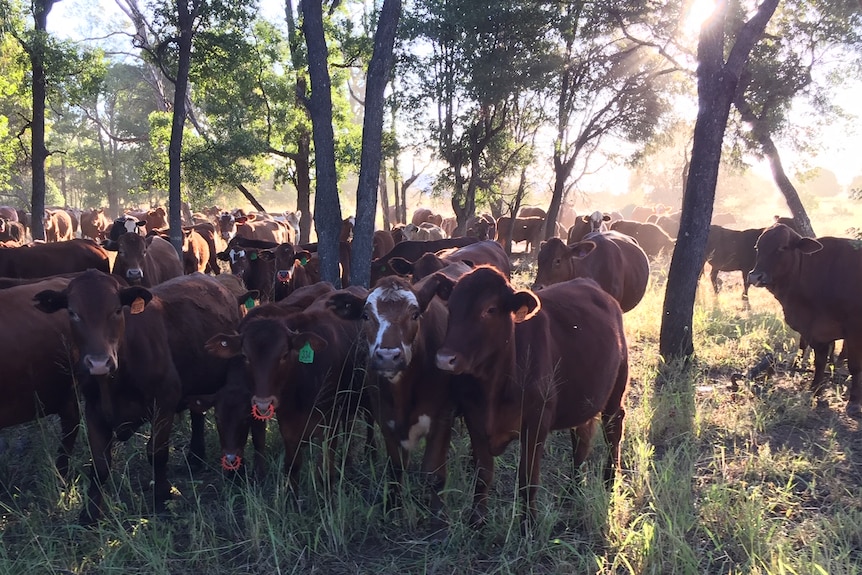
Central Queensland grazier Matthew Peart’s cattle move to new pastures each day to allow the land to rest. (Supplied)
When it came to sources of hope and optimism, Dr Hiscox said consumer trends ranked highest, but in second place was favourable changes in government policy and regulation.
“Whether it’s relaxing of regulations that are considered to be too onerous and limiting or whether it’s the possibility of new types of government supports we’re not sure,” he said.
“But that emerged as quite an important source of hope for the future.“
He said one of the “striking” results was the widespread adoption of new practices linked to crop and livestock management, land management, energy and water use.
“Whether it’s rotational grazing or use of cover crops … the farmers that were adopting them were focused on reducing costs and improving productivity,” he said.
“Two-thirds of them were expecting a positive return on investment (and) their profit outlooks were also much more positive than the other farmers who had not yet adopted new approaches.”
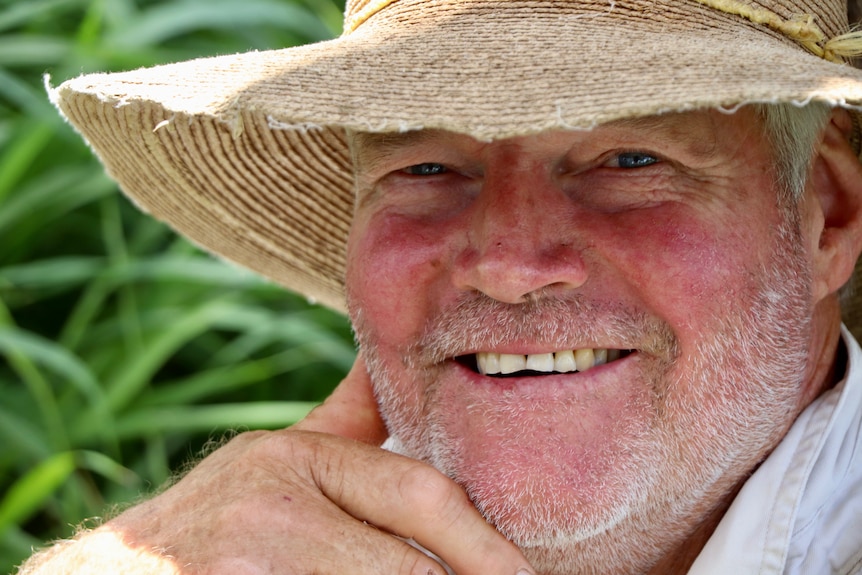
Matthew Peart hopes to encourage other farmers to embrace change. (Supplied)
CommBank executive general manager for regional and agribusiness banking Kylie Allen said many farmers wanted to make changes, but found accessing finance or expertise difficult.
“Farmers are already thinking carefully about how to improve resilience and productivity, but many are operating with limited cash flow buffers and rising costs,” she said.
“Despite the current challenges, the results clearly show practice change is now a business decision, with many of these innovations having positive environmental co-benefits.“
The survey was also supported by the National Farmers’ Federation (NFF) and the Australian Farm Institute.

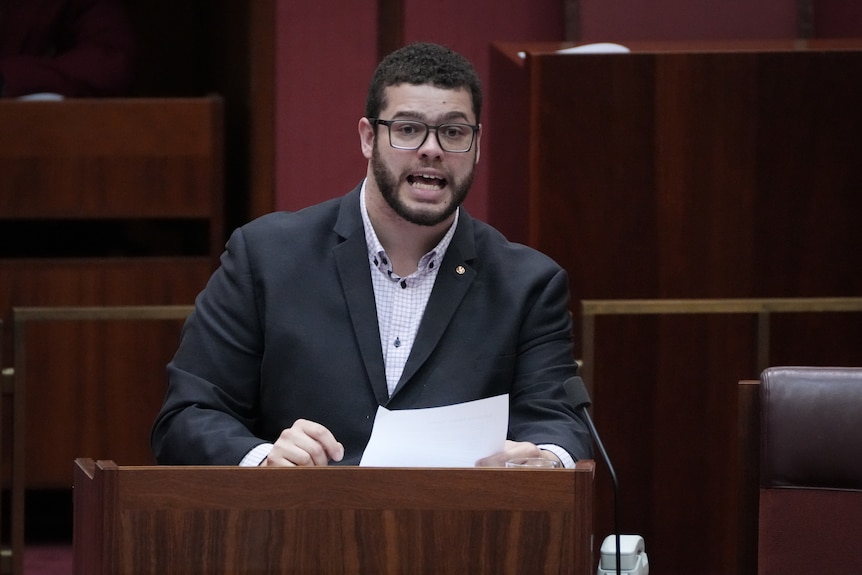
Michael Guerin is the CEO of National Farmers’ Federation (ABC News: Christopher Gillette)
NFF chief executive Michael Guerin said it showed governments could encourage change by reducing the regulatory burden on producers.
“There are big challenges out there but equally, there’s an optimism and opportunity if we get it right,”
he said.
“Agriculture and producers can contribute, and are contributing strongly, to better environmental outcomes — that’s not well recognised.
“(But) we’re adding costs in other areas where we would argue we can reduce those costs.”