




Life-changing drugs used to treat multiple sclerosis (MS) will remain subsidised for Australians as Labor pledges to resolve a pricing dispute with global drug makers without leaving patients further out of pocket.
Health Minister Mark Butler has confirmed Ocrevus, Kesimpta and Lemtrada, which are used to manage symptoms of MS and related conditions, would remain listed on the Pharmaceutical Benefits Scheme (PBS) while a rapid review was completed by the end of this year.
MS patients feared they would be forced to pay tens of thousands of dollars to privately fund their prescriptions after manufacturers Roche, Novartis and Sanofi Genzyme rejected a request to slash costs by up to 50 per cent.
The Pharmaceutical Benefits Advisory Committee (PBAC) met last week to discuss the pricing stand-off, with the chair then writing to Mr Butler outlining the “key points” of their advice.
“The experts confirmed what the MS community has told us: that there are clinical benefits from continuing to list Ocrevus, Kesimpta and Lemtrada on the PBS to make sure these drugs continue to be available for people that need them at the PBS price,” he said.
“I’m really pleased that the experts at PBAC have reviewed this quickly and I welcome their advice.”
Rapid review to find long-term resolution
Mr Butler said the PBAC had also advised it would be “timely” to better understand how the drugs were being used by patients, and ensure the subsidy listing remained “consistent with the contemporary evidence base”.
“To that end, PBAC recommend a rapid review be completed by December this year, and I have accepted that advice,” he said.
“Ocrevus, Kesimpta and Lemtrada will remain on the PBS while the rapid review takes place.”
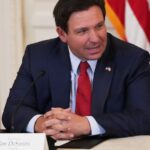
Mark Butler has accepted independent advice for a rapid review of MS drugs. (ABC News: Matt Roberts)
Mr Butler said during the review his department would work directly with the companies behind the drugs to determine what it means for them.
He reiterated his position that he wanted to see the MS drugs remain on the PBS.
“I am very clear about the difference they are making to Australians living with MS,” Mr Butler said.
MS Australia CEO Rohan Greenland labelled it a “relief for the MS community”, highlighting the huge difference the medicines make to the lives of Australians.
“This is an incredibly important and deeply reassuring outcome for thousands of Australians living with multiple sclerosis (MS), their families, carers and clinicians, who have faced significant uncertainty about the future of their treatment access,” Mr Greenland said in a statement.
New drug triggered pricing dispute
Australia’s PBS system categorises medicines by grouping different drugs that provide similar safety and health outcomes together.
The cheapest drug in that group then acts as a benchmark price for the rest.
Loading…
The PBS listing late last year of a third therapy, sold under the brand name Briumivi at a substantially lower cost, triggered a pricing review of other medicines like Ocrevus and Kesimpta.
The ABC understands selling those two commonly used therapies at the lower price would require a 40 to 50 per cent cost cut, which drug makers have argued is commercially unsustainable.
For medicines listed on the PBS, patients are charged a co-payment of $25 or $7.70 for concession, but privately funding a year of Ocrevus, for example, would cost about $33,000.
The government has recently found itself embroiled in several protracted, high-profile stand-offs with major pharmaceutical companies over PBS pricing policies.
Meanwhile, in April, Eli Lilly withdrew diabetes drug Mounjaro from the PBS listing process, airing a cluster of grievances, including that the price Australia was willing to pay for the drug was too low.
US pharmaceutical companies have also been lobbying against the scheme, arguing its pricing processes undervalue innovation and threaten billions of dollars in lost sales.