







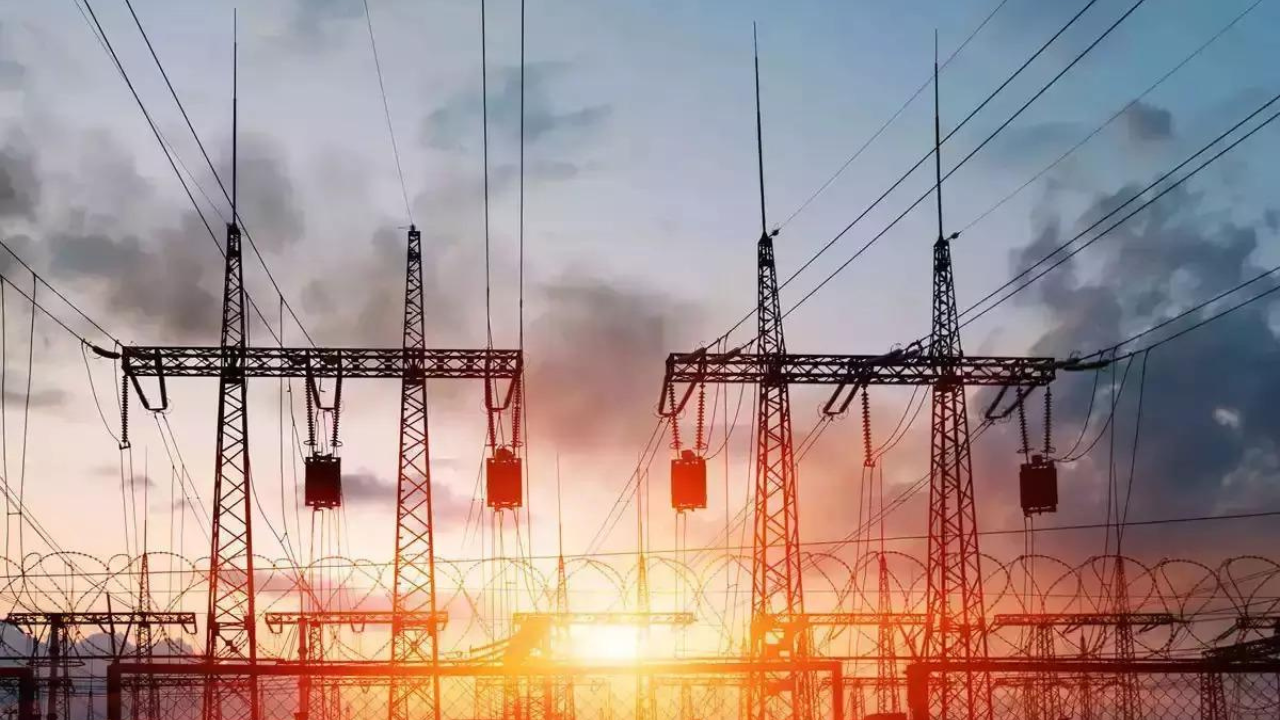
Major technology companies have pledged to cover the electricity costs associated with powering their AI data centers. Yet experts say US households could still end up paying higher electricity bills because of how utility costs are allocated. A recent report covering the PJM electricity market estimated that growing power demand from data centers is a primary reason behind $23 billion in customer price increases, which are expected to remain in effect until at least the end of 2028.According to a report by The Conversation, experts studying utility pricing have claimed that the issue is not whether data centers pay for their direct electricity use, but how the costs of expanding power infrastructure, such as substations, transmission lines and additional electricity generation, are shared among different customer groups. If those costs are spread across the broader electricity grid, residential customers could end up paying part of the bill.
How AI data centers may push US households to pay more for electricity
Electricity prices are set by state utility commissions, which determine how utilities recover the costs of new infrastructure and daily operations. While a data center is generally expected to pay for infrastructure built specifically to connect it to the grid, broader upgrades that benefit the electricity network are often shared among all customers.For example, if a utility needs to upgrade an electrical substation or secure additional power generation to support a new data center, those investments become part of the wider grid. As a result, regulators may allocate a portion of those costs to residential, commercial and industrial customers based on established pricing methods.Experts note that regulators examine thousands of utility cost items before determining how expenses should be divided among customer groups. The costs allocated to each group are then reflected in the electricity rates they pay.
Data centers may reduce some charges
Another issue highlighted by experts involves a pricing method known as coincident peak demand, which measures electricity use during periods when the entire grid experiences its highest demand.Because AI data centers can rapidly increase or reduce electricity consumption using automated systems, they may be able to lower their power use during those peak periods. If they do so, they could reduce the share of costs assigned through this pricing method, even if they consume large amounts of electricity at other times.Experts point to cryptocurrency mining operations in Texas as an example where electricity usage has been adjusted around peak demand periods.
Concerns over consumer representation
Experts also argue that residential customers may have limited representation during utility rate-setting proceedings.Utilities, industrial customers, retailers and large data center operators often submit detailed proposals explaining how infrastructure costs should be allocated. Data center companies also have the resources to hire specialists in utility cost allocation.While most US states have consumer advocate offices that participate in regulatory proceedings, these agencies are generally required to represent the interests of all customer groups rather than argue for shifting costs from households to businesses. According to experts, this can leave residential consumers with fewer voices focused specifically on how infrastructure costs are divided.They also warn that if utilities build infrastructure for proposed data centers that are later cancelled, scaled back or become obsolete because of technological changes, those investments may still need to be recovered through electricity rates paid by other customers.Consumers should get involved in public hearings and provide comments during utility regulatory proceedings, experts say, because decisions on how to allocate costs can have a direct impact on future household electricity bills.