




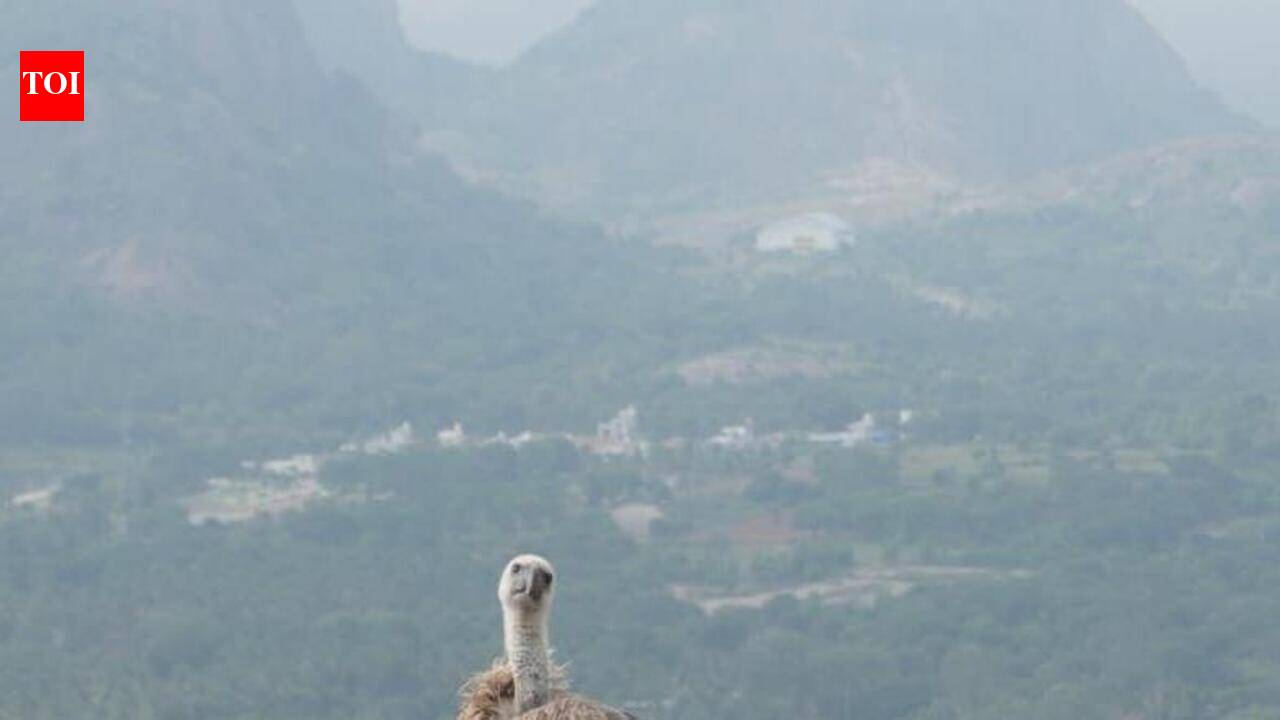
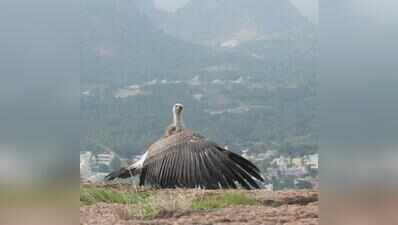
Bengaluru: The return of one young vulture to its natural habitat has brought a ray of hope to Ramanagara in Bengaluru South district, home to India’s first vulture sanctuary.A six-month-old Indian vulture (gyps indicus), one of the three known vultures surviving in Ramanagara landscape, has been rescued after a failed landing where it seriously injured its leg, nursed back to health and successfully released into the wild.The release, carried out by People for Animals (PfA) Wildlife Hospital, Bengaluru, in coordination with forest department last week, comes amid the alarming decline of vulture populations across India. Classified as critically endangered on IUCN Red List, Indian vultures are among the key scavenging bird species in the country, and every surviving bird is considered vital to the species’ recovery, according to veterinarians and forest officials who monitored the young bird over the past two months.Forest department sources told TOI the limping vulture was spotted by patrolling staff in the first week of June. “We alerted PfA’s quick reaction rescue team as it was unable to move. The team subsequently rescued the bird and shifted it to their hospital in Bengaluru,” said a forest department official from Bengaluru South.At PfA Wildlife Hospital, a detailed clinical examination and digital radiography revealed the vulture had suffered a hairline fracture involving the femoral head of its left leg. “For a young vulture that depends on its powerful legs for movement and survival, the injury could have been devastating,” said a PfA volunteer.Col Dr Navaz Shariff, chief wildlife veterinarian at PfA hospital, said, “We opted for conventional fracture management followed by an intensive rehabilitation programme. During two months of treatment, the bird underwent veterinary care, physical rehabilitation and progressive assessments to restore its mobility, strength and ability to fly long distances and at greater heights,” he said.Before its release, the vulture underwent a flight assessment and was found to be clinically and behaviourally fit to return to its natural habitat. Forest officials subsequently identified one of the tallest hillocks in the region and released it last week.“The vulture initially perched along the cliff before taking flight. It remained airborne for 15 to 20 minutes before landing on another hillock. Interestingly, an Egyptian vulture that had been released in the region a few years ago was spotted near the Indian vulture,” a forest department official said.