






Politicians do not want to say whether house prices should rise or fall as the market softens, even though falling prices would ease inflation.
The government’s proposed changes to negative gearing and capital gains tax have prompted a slowdown at auctions as people wait to see how it will affect them.
Treasurer Jim Chalmers has repeatedly stated the tax reforms are not aimed at “a particular price outcome” but instead give Australians trying to enter the market a “fair crack”, with house prices growing, but more slowly.
Home values flatlined in May, a culmination of interest rate hikes and property tax proposals weighing on demand, with Sydney and Melbourne prices dropping 0.9 per cent and 0.8 per cent respectively.
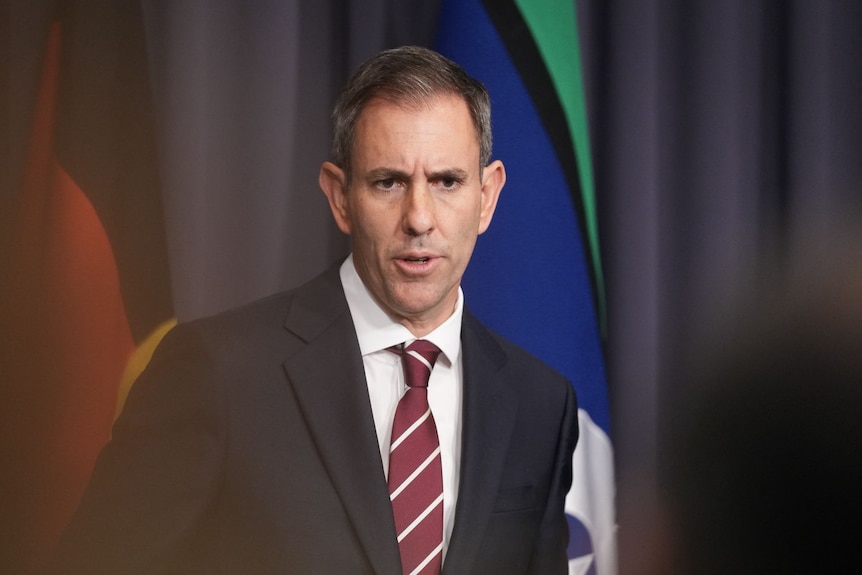
Jim Chalmers says tax reforms give Australians trying to enter the market a “fair crack”. (ABC News: Matt Roberts)
But the question whether it is good or bad for house prices to rise or fall has vexed politicians across the political spectrum, who are conscious of appealing both to first home buyers and Australians already in the market.
Economists and political analysts suggest that while politicians speak of increasing housing affordability and improving intergenerational equity, they are cognisant of it being the highest source of wealth creation, with two-thirds of Australians owning their home.
Loading
Independent economist Saul Eslake said despite politician’s “crocodile tears” for the difficulty faced by aspiring homebuyers, the reality was that more voters sat on the side of home owners.
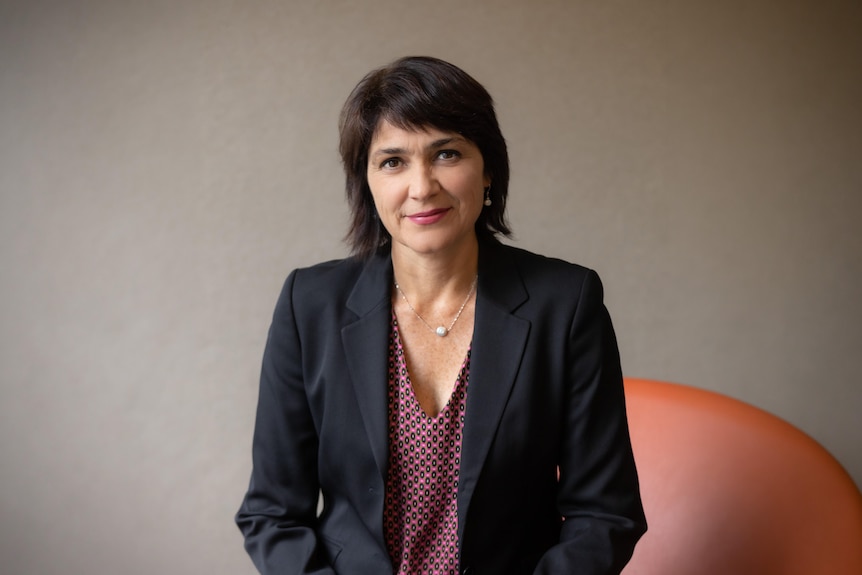
Dr Jill Sheppard, associate professor in politics at Australian National University, says few issues divide voters more starkly than property.
“Nothing like property seems to invoke this terror of disadvantaging half of the electorate in one fell swoop,” she told ABC News.
Politicians hesitant on price rise or fall
The government has been tripped up before on the prickly issue of house prices.
Speaking to young voters on triple j last term, Housing Minister Clare O’Neil said the government did not want house prices to decrease, causing frustration among an audience of largely renting voters.
Asked on Thursday whether prices should fall, Ms O’Neil simply pointed to their “cyclical nature”.
“So when interest rates are high we tend to see property prices come down. When interest rates go down we tend to see property prices go up,” she said.
Opposition Leader Angus Taylor wants to see “housing affordable again for young Australians”, while Shadow Treasurer Tim Wilson would like to “see market prices be at the market rate”.
Loading
Shadow Housing Minister Andrew Bragg was less ambiguous on Thursday, stating that “house prices in the country are too high for young people and they should go down.”
Hours later he softened his language when asked how much they should fall by, calling for entry-level housing, not overall prices, to drop 6 per cent.
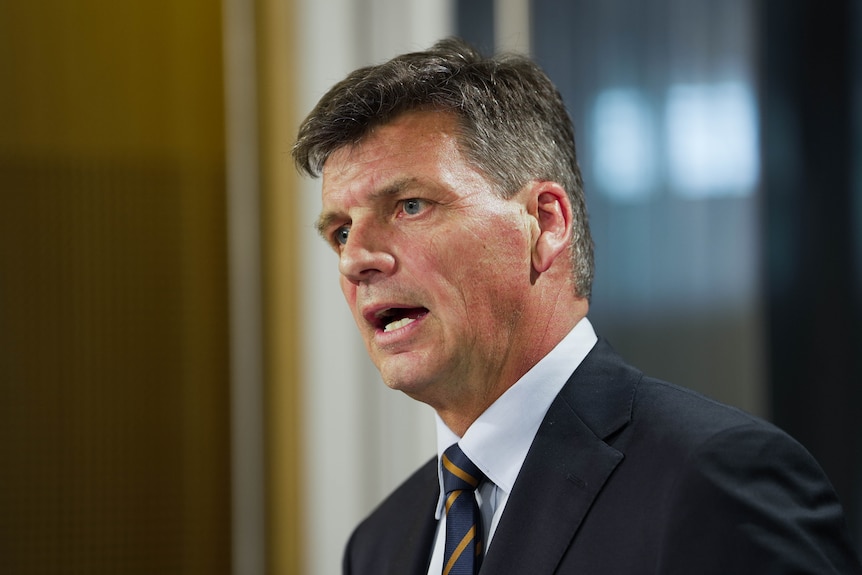
Angus Taylor wants to see housing prices “affordable again” for young Australians. (ABC News: Marcus Stimson)
“Our point is that we want to see affordability improve, which, of course, you do by building more houses and not having crazy ideas like having a 5 per cent deposit scheme which is not means-tested, which is not capped, and then not having migration calibrated with house-building,” he said.
“So, there are a lot of factors here that you can deploy to stabilise and improve affordability. That’s our focus: affordability.”
Behind the ‘weaselly language’ of housing
Mr Eslake said that in any other inflation indicator fell it would be a “cause for celebration”, but with housing, it is more touchy.
“If we were talking about food, petrol, health insurance, school fees, childcare fees, house insurance premiums, airfares, any of the other 86 items in the consumer price index, you would welcome a fall of the price,” he said.
“But the one other, the biggest single component of the CPI, housing; when that goes down somehow the sky is falling in.”
“I give the government some credit for coming up with some things that might make housing cheaper, but they’re so scared of the political arithmetic that they’re not willing to say it,” he added.
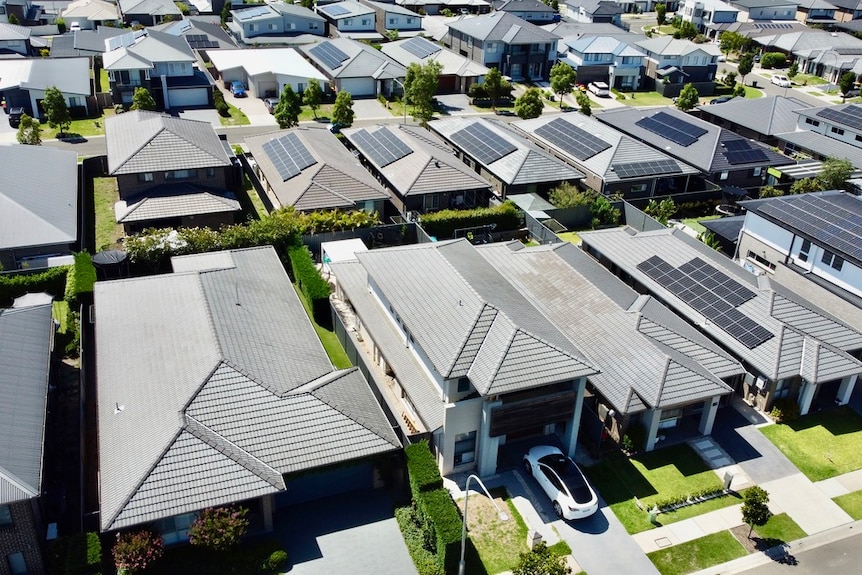
One economist says the reality is more voters sit on the side of home owners. (ABC News: John Gunn)
A lack of being forthright is a “real trademark” of Australia’s major political parties, according to Dr Sheppard, with politicians feeling the pressure of appeasing voters on both sides.
“That’s why we’re seeing on housing, words that can be misconstrued in a way that doesn’t pin too much responsibility on any politician or party for wanting people to lose money, or for people to lock out renters from the housing market,” she said.
“So you end up with this weaselly language around, you know, around housing affordability that tends to never really make anyone happy.“
Dr Sheppard said this ambivalent language was part of the appeal of One Nation and independent candidates, who were often more direct.