







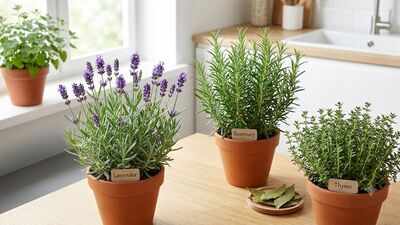
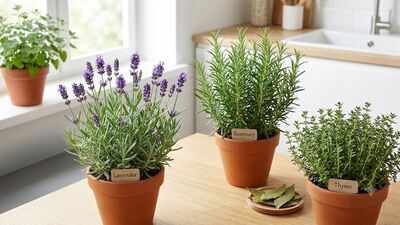
A cockroach does not need much to settle indoors. A damp corner behind a fridge, crumbs under a cabinet or a dark space beneath a sink can be enough. Once they find food, water and shelter, they tend to stay hidden until their numbers grow. Many householders rely on sprays, traps or professional treatments when dealing with roaches, but some people also use plants as part of a broader effort to make homes less inviting to pests. Certain plants produce strong natural scents and oils that cockroaches appear to avoid. They will not eliminate an infestation, but they may help discourage roaches from lingering in areas where the plants are kept.
Indoor plants that keep cockroaches away from your home
1. Bay leafBay leaf is usually thought of as a cooking ingredient rather than a houseplant, yet its scent is one of the reasons it frequently appears in discussions about natural pest deterrents.The leaves contain aromatic compounds that create a smell many people find pleasant, but cockroaches seem to avoid. A bay plant can be grown indoors in a sunny position, and dried leaves are sometimes placed inside cupboards, pantry shelves and kitchen drawers where roaches are most likely to wander after dark.2. MintFresh mint has a sharp, clean fragrance that spreads quickly through a room. That same scent can be overwhelming for insects.Peppermint varieties are often mentioned in connection with cockroach control because of their concentrated oils. Mint grows well in containers and can sit comfortably on a windowsill with moderate sunlight. It is also a practical choice for kitchens, where the leaves can be used in drinks and cooking while providing a strong aroma throughout the area.3. RosemaryRosemary is a hardy herb with narrow leaves and a distinctive woody fragrance. It has long been valued in gardens and kitchens, though its scent is not especially welcoming to many insects.A small rosemary plant near a bright window can thrive indoors for much of the year. The oils contained within the foliage are thought to contribute to its reputation as a natural insect deterrent. The plant’s compact shape also makes it suitable for flats and smaller homes where space is limited.4. LavenderLavender is often associated with wardrobes, linen cupboards and scented products. The fragrance tends to be calming for people, but insects do not appear to share that preference.Kept in a sunny spot, lavender can provide colour as well as scent. Some homeowners place it near windows and doorways, while others keep pots in bedrooms and living rooms. Even when grown primarily for its flowers, it is often included among plants believed to discourage unwanted household pests.5. CatnipCatnip belongs to the mint family and is best known for the reaction it triggers in many cats. Less attention is given to its effect on insects.The plant contains a naturally occurring compound called nepetalactone, which has attracted interest for its pest-repelling properties. Catnip grows relatively quickly indoors when given enough light. For households without curious cats, it can be an easy addition to a windowsill herb collection.6. LemongrassLemongrass produces a fresh citrus scent that is difficult to miss. The plant contains citronella-related oils, which are widely associated with insect-repelling products.Although it prefers warmth and bright conditions, lemongrass can be grown in large indoor containers. Its tall leaves add a different look compared with smaller herbs, and the strong aroma released from the foliage is one reason it is frequently recommended for discouraging insects around the home.7. ChrysanthemumsChrysanthemums bring a splash of colour indoors, particularly when many other plants are not flowering. Their appeal extends beyond appearance. Certain varieties contain natural compounds known as pyrethrins, substances that have been used as the basis for insect-control products for decades. While simply keeping a potted chrysanthemum indoors is not comparable to using a commercial insecticide, the plant’s natural chemistry has made it one of the more frequently mentioned flowers in discussions about pest management.