







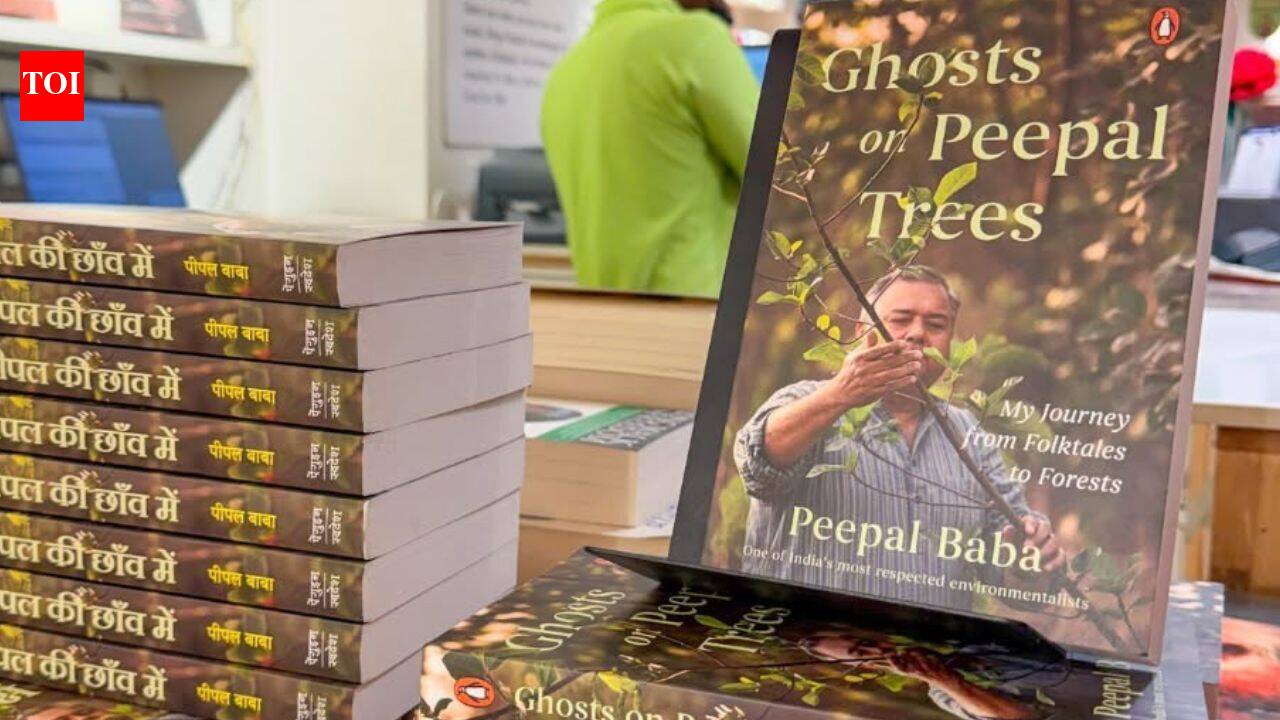
Ghosts on Peepal Trees: My Journey From Folktales to Forests by Swami Prem Parivartan, popularly known as Peepal Baba, is more than just a book about trees. It deeply personal journey through the forests, villages and changing landscapes of India. Part memoir, part folklore, part environmental wisdom, the book tells the story of how one man’s life-long mission to plant and protect trees became a movement that has inspired thousands. Full of stories and reflections, it gently reminds readers that caring for nature starts with small, daily acts.In an exclusive chat with The Times of India, Peepal Baba talks about the amazing power of planting just one tree, why individual efforts matter in the fight against climate change, how parents can help kids develop a lifelong connection with nature, and the easy ways even families living in packed cities can make a real difference. Above all, he explains why hope—not despair, is the most potent force for restoring the planet.Many people genuinely want to help the environment but feel their individual efforts don’t matter. What would you say to someone who thinks, “How can planting one tree make any difference? When people look at a forest, they see thousands of trees. I often find myself thinking about the first one. One tree may look small, but it gives shade, cleans the air, holds the soil, feeds birds, absorbs carbon, and inspires others to plant more. The question is not whether one tree can change the world. The question is whether we are willing to take responsibility for the world around us. When millions of people each plant and protect one tree, the planet changes. Never underestimate the power of one sincere action.
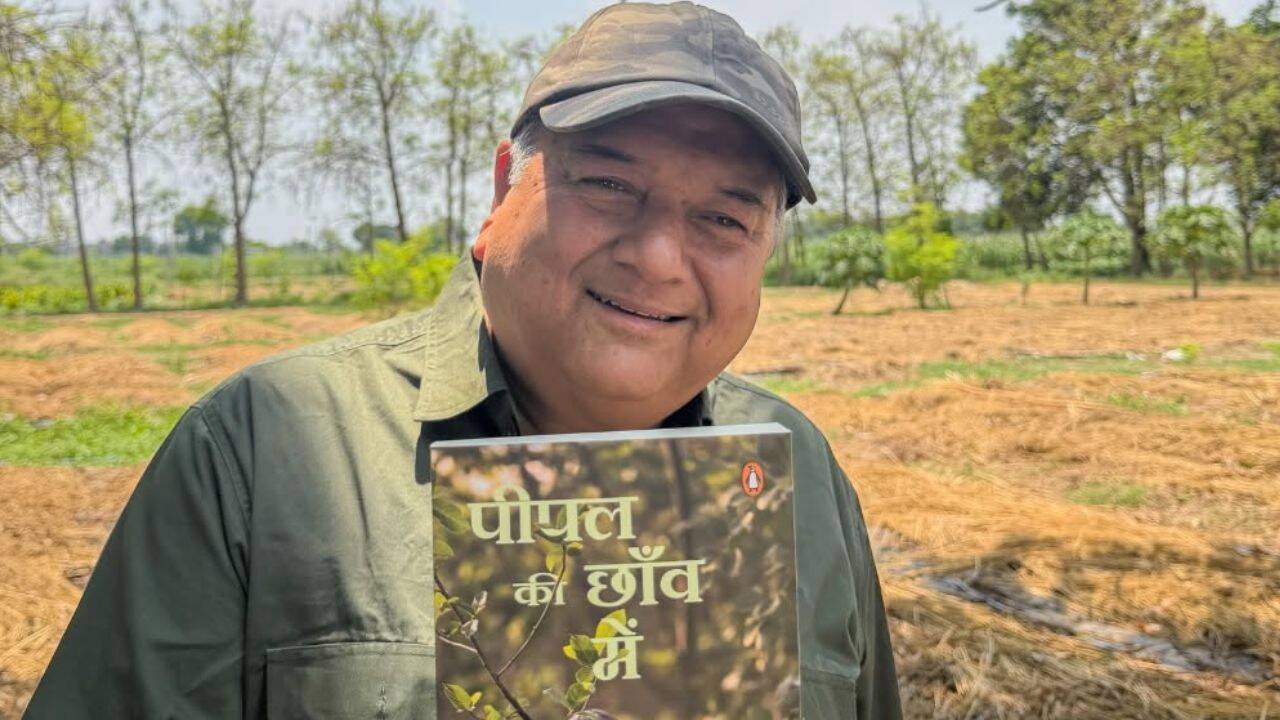
Peepal Baba with his book (Facebook)
You’ve spent decades planting and protecting trees. Was there a particular moment or encounter that completely changed the way you looked at nature and convinced you this would become your life’s mission? It didn’t happen in a single moment. It was a slow awakening. I travelled across India, I saw rivers drying, forests disappearing, birds becoming silent, and villages struggling for water. At the same time, I experienced something beautiful. Whenever a barren place was restored with trees, life returned. Birds came back. Water stayed longer. People smiled again. I began to see them as the beginning of life, and that’s when I knew this was the work I wanted to dedicate myself to.In your book, what is the one lesson you hope every reader carries into their daily life, not just about trees, but about the way we live? I hope readers realise that we are not separate from nature, we are nature. The air we breathe, the water we drink, the food we eat, and every heartbeat depends on healthy ecosystems. My book is not only about trees; it is about slowing down, becoming more compassionate, and learning to live with gratitude. If it encourages someone to plant a tree, care for one, or simply look at nature a little differently, I will feel the book has done what it was meant to do.Today, sustainability has become a buzzword. Do you think people are becoming more environmentally conscious, or are many simply following a trend without making meaningful changes? I think there is definitely more awareness today than there was a few years ago, and that is a positive sign. Many people are genuinely trying to understand how their choices affect the environment. I have also met countless individuals who care deeply for the land, plant trees, protect water, and inspire others through their actions. Every such effort strengthens our relationship with nature. As more people experience that connection for themselves, I believe environmental responsibility will continue to become a part of everyday life.
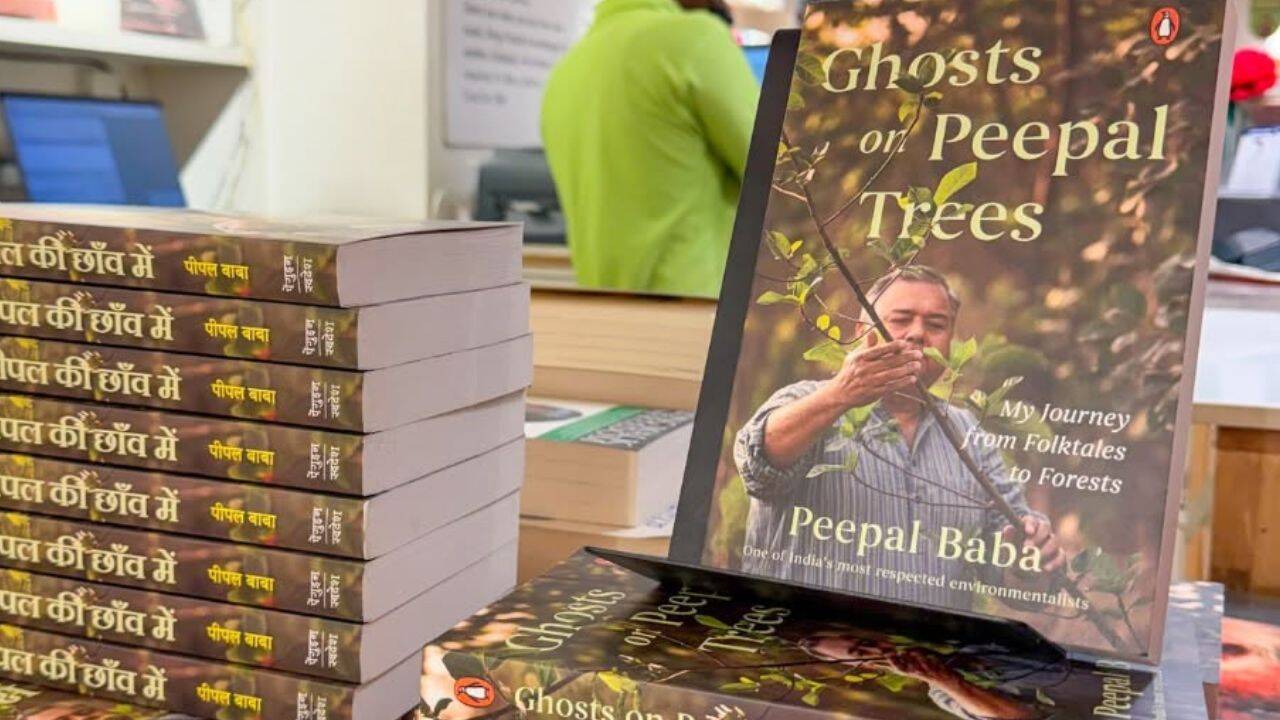
Ghosts on Peepal Trees: My Journey From Folktales to Forests by Peepal Baba
Cities are becoming increasingly crowded, and many people live in apartments with very little access to green spaces. What are some simple, practical things an ordinary urban family can do to reconnect with nature? Nature is always closer than we think. Grow a few native plants on your balcony. Keep water and grains for birds. Visit a nearby park regularly instead of another shopping mall. Celebrate birthdays by planting and caring for trees. Harvest rainwater wherever possible. Teach children to identify birds, flowers, and seasons. Even a small balcony garden can remind us that we are part of something much larger.Climate change often feels like an overwhelming global problem. From your experience, what are the biggest mistakes ordinary people make when trying to live more sustainably, and what small habits actually make a meaningful difference? The biggest mistake is believing that someone else will solve the problem. Climate change is a global challenge, but every solution begins locally. People also look for quick fixes while nature works through patience and consistency. Protect existing trees, plant native species, reduce unnecessary consumption, avoid single-use plastic, save water and electricity, compost kitchen waste, and walk whenever possible. These may seem like small actions, but when practiced every day by millions of people, they become a powerful force for change.
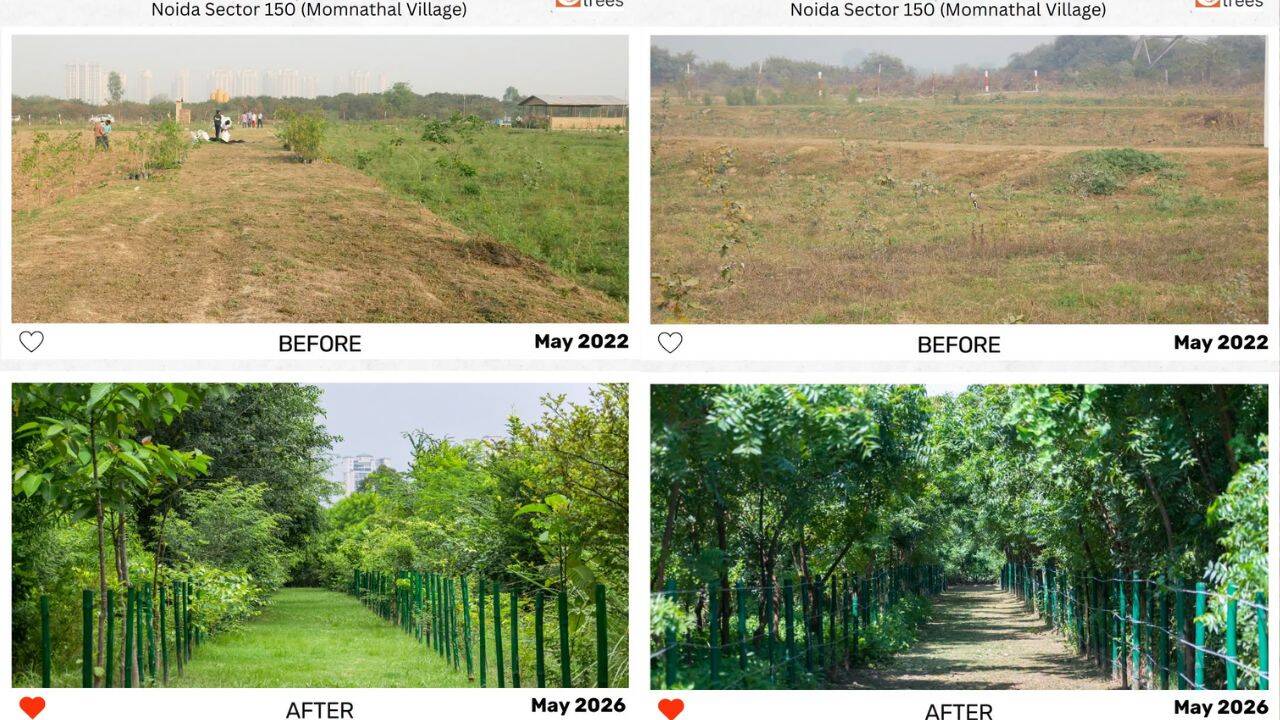
Visible land transformation in Noida due to forestation (Facebook)
Over the years, you’ve met thousands of people through your conservation work. Is there a story of one person, or even one tree, that stayed with you because it reminded you why this work matters? I have planted and protected thousands of trees, but every tree has taught me something different. I still remember visiting a place where we had planted saplings years earlier. Those tiny plants had become large trees, filled with birds, shade, and life. Local people proudly called them “our trees.” That moment reminded me that environmental work is not about planting trees,it is about planting relationships between people and nature. When a community begins protecting a tree as its own family member, real conservation has begun. Children today spend far more time on screens than outdoors. How can parents help them develop a genuine love for nature instead of seeing environmentalism as just another school subject? I have always felt that children understand nature far better than we imagine. Give them a handful of seeds, let them water a young tree, watch a bird build its nest, or spend an afternoon outdoors, and they begin to ask questions on their own. When children develop an emotional bond with the natural world, they will protect it without being asked. Nature should become their friend, not just another chapter in a textbook. If you could redesign Indian cities with nature in mind, what are three changes you would make immediately to make them healthier and more livable for future generations? First, I would protect every existing mature tree because an old tree cannot be replaced overnight. Second, I would make rainwater harvesting and groundwater recharge compulsory in every colony and building. Third, I would create continuous green corridors connecting parks, forests, lakes, and biodiversity zones so that both people and wildlife can thrive together. A city should grow like a forest,with balance, diversity, clean air, and living water,not like endless concrete.Looking back on your journey, what gives you the greatest hope today? Have you started seeing a real shift in the way young Indians think about trees, conservation and the environment? Yes, I see hope everywhere I travel. Young people today ask better questions, volunteer more willingly, and genuinely want to become part of the solution. They understand that climate change is not a distant issue but something affecting their own future. I tell them that planting a tree is easy; protecting it is the real commitment. Whenever I see young hands caring for a sapling, cleaning a river, or inspiring others to act, I feel confident that India can become greener. Nature has an incredible ability to heal. If we walk with her instead of against her, the future will be far brighter than we imagine.