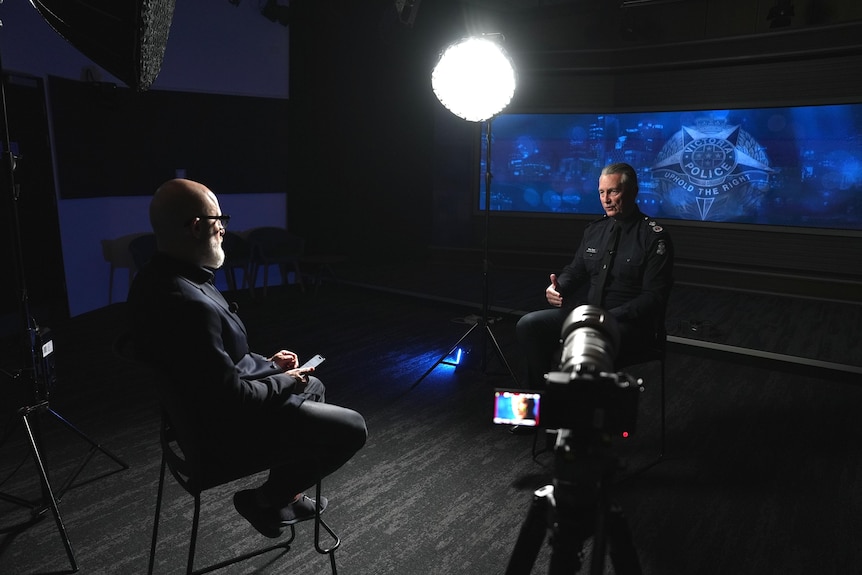









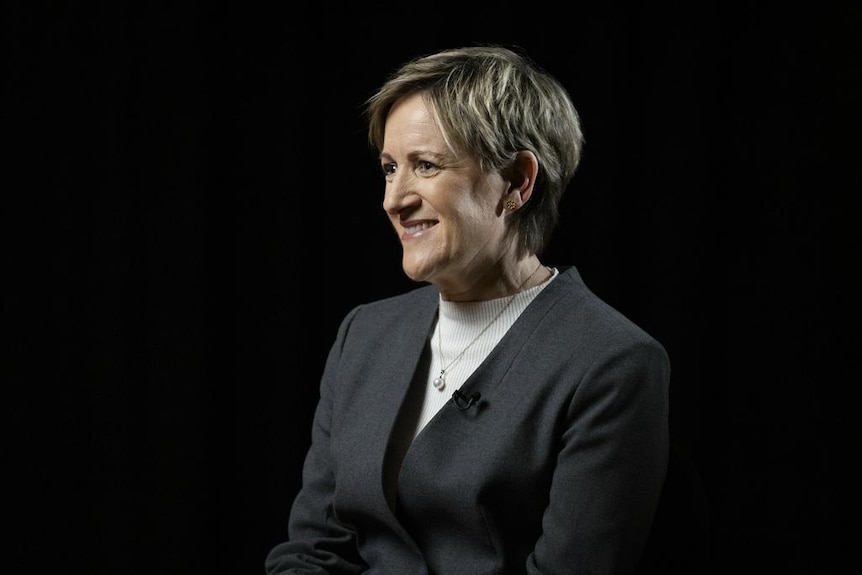
Western Australia’s new chief health officer is confident the risk of Ebola entering the state is low as authorities continue to monitor travel from the Democratic Republic of the Congo (DRC) amid an outbreak of the deadly disease.
With several WA-based mining companies and contractors travelling to and from the stricken country, discussions are underway about what to do if a suspected case does reach Australian shores.
Clare Huppatz said Ebola was just one of a number of potentially fatal disease outbreaks she’s had to model since assuming the state’s top health job in late February.
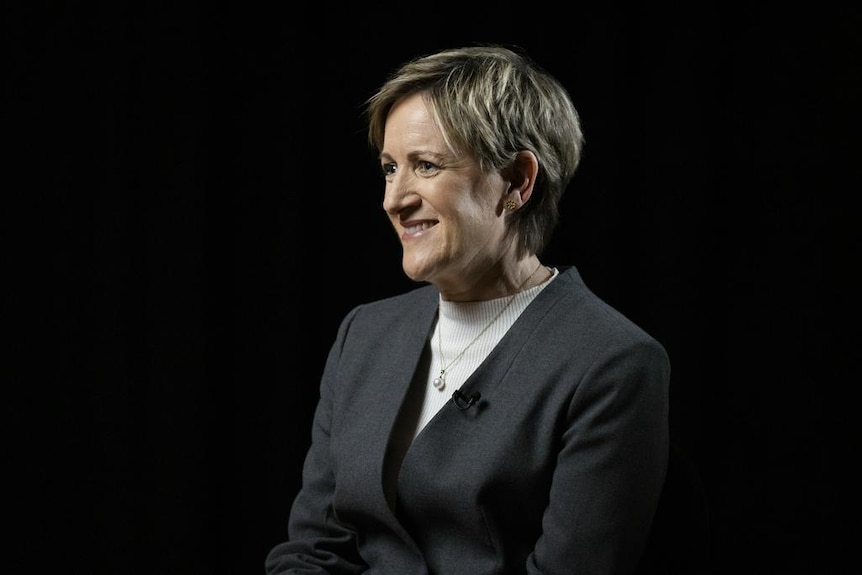
Clare Huppatz has had several public health matters to deal with already. (ABC News: Jake Sturmer)
Six passengers from a Hantavirus-hit cruise ship are quarantining in Perth and diphtheria is spreading in WA’s north, while the flu season is also underway.
“It is true that there’s a lot happening both in the world and there’s been quite a bit happening in Western Australia recently,” Dr Huppatz told Stateline.
“These are all usual things that we do experience in public health from time to time. It just so happens that the last two months have been pretty busy.“
Public health challenges
Dr Huppatz is no stranger to major health crises, having played a central leadership role in WA’s COVID-19 pandemic response.
In her first sit-down interview as the state’s chief health officer (CHO), she acknowledged the long list of challenges facing public health.
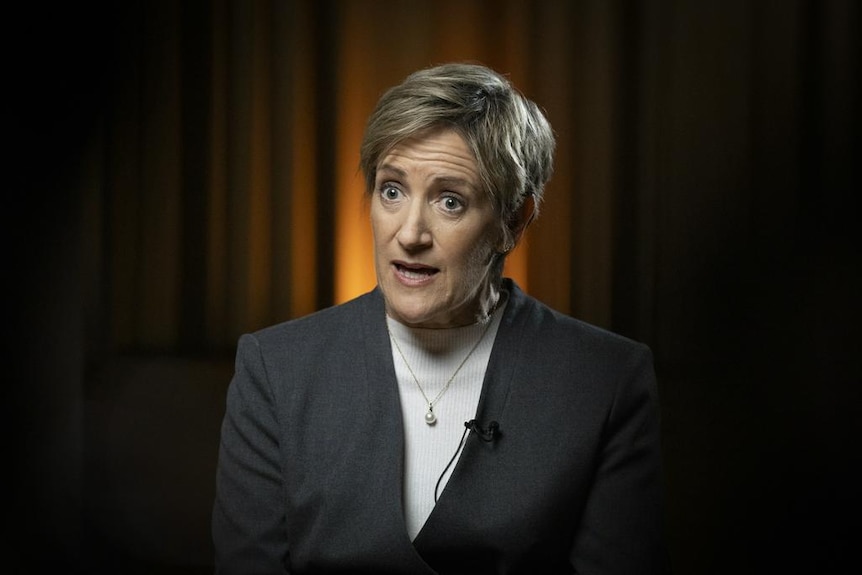
Clare Huppatz believes Australia is in a good position to prevent any major disease outbreak. (ABC News: Jake Sturmer)
“There are a few patterns in the world that do make infectious disease movement and transmission more likely,” she said, referring to global unrest and conflict, as well as declining vaccination rates, among other factors.
She believes Australia is in a good position to combat these sorts of threats, both at the border and in hospitals, and like her predecessor Dr Andy Robertson, is alert to the possibility of another pandemic.
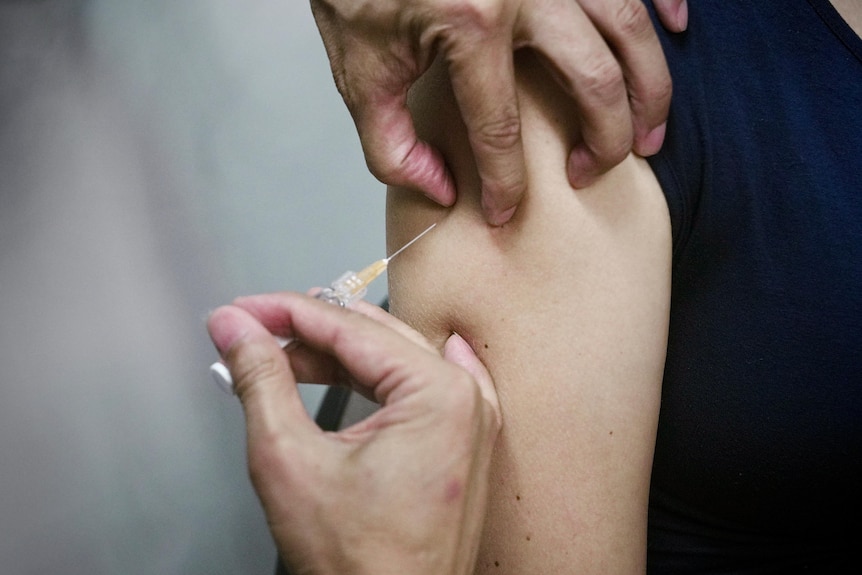
Declining vaccination rates globally are a public health challenge to Australia and the rest of the world. (ABC News: Michael Lloyd)
“Another pandemic is definitely something that we need to prepare for,” she said.
“I don’t have a crystal ball, so I can’t say exactly how or when, but infectious disease physicians would tell us that we may well have another pandemic at some point in the future.“
Few travellers from Ebola zone
Like many, Dr Huppatz is watching the DRC’s Ebola outbreak closely, even though the number of WA miners who travel there for work is low.
She said the state had measures in place to deal with any potential infections.
“Our clinicians… would triage that person, put them in isolation so that they don’t infect anybody else, alert public health,” she said. “We would follow … appropriate measures.”
Dr Huppatz, however, said any more stringent measures would depend on the situation.
“It would very much depend on how many cases and the type of exposure,” she said.
” … if we had one or two cases and there were exposures, generally we would manage that through the really robust case and contact tracing systems.”
Unusual diphtheria outbreak
Despite “good” vaccination rates against the disease, Dr Huppatz said the emergence of diphtheria, including in remote WA, was “unusual” but not something that the state would not be able to manage.
Dr Huppatz remains focused on both improving vaccination coverage and the public health response when a case is detected, which involves antibiotics and contact tracing.
“The reasons for seeing diphtheria at the moment are largely not well understood,”
she said.
“So we’re not exactly sure why there’s been this transmission at this point in time, other than we know that diphtheria will travel from person to person by close contact.”
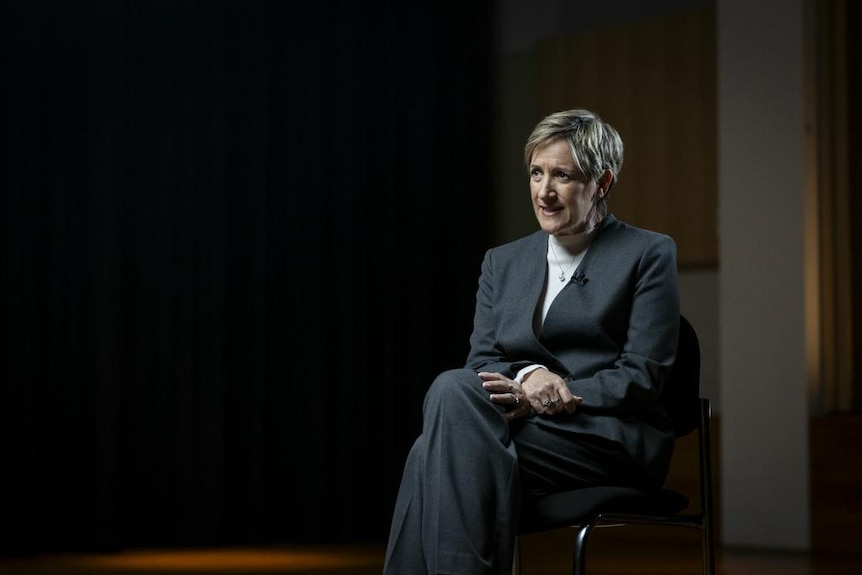
Clare Huppatz says measures are in place to deal with any potential cases of Ebola. (ABC News: Jake Sturmer)
She said that while diphtheria is “a disease that we know does spread”, health experts “understand how it spreads”.
Regular meetings with the Commonwealth are occurring to ensure WA is “in lock-step” with other impacted states and territories, she added.
First female chief health officer
Dr Huppatz was appointed WA’s chief health officer in March by Health Minister Meredith Hammat, and is the first woman to hold the role.
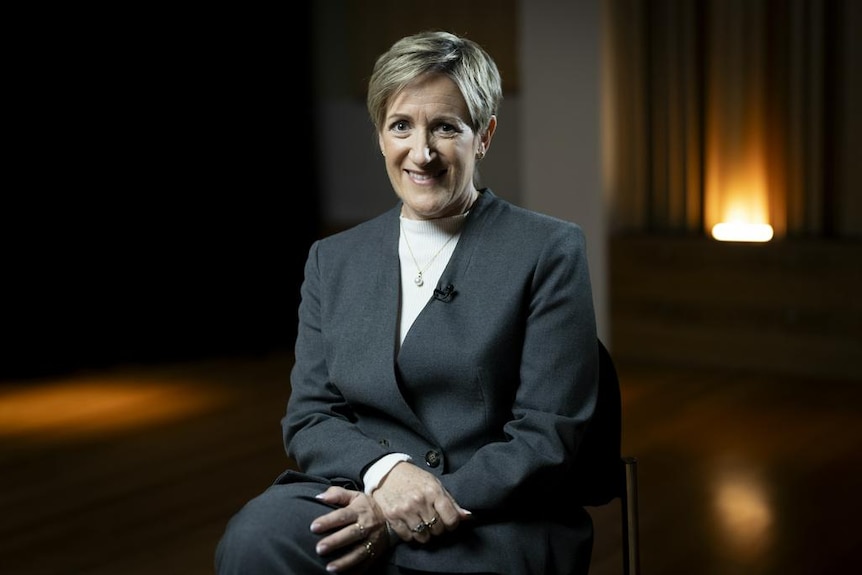
Clare Huppatz hopes to inspire more women to take up a career in public health. (ABC News: Jake Sturmer)
She said she hopes she will be able to inspire other women to take up a career in public health, as well as “being able to improve health for the whole populations”.
“If I could inspire young women to do that, I’ll be really pleased,”
she said.
Dr Huppatz plans to focus on her background and interest in Aboriginal health to improve outcomes.
“It’s really important to me to see improvements in our Closing the Gap targets,” she said.
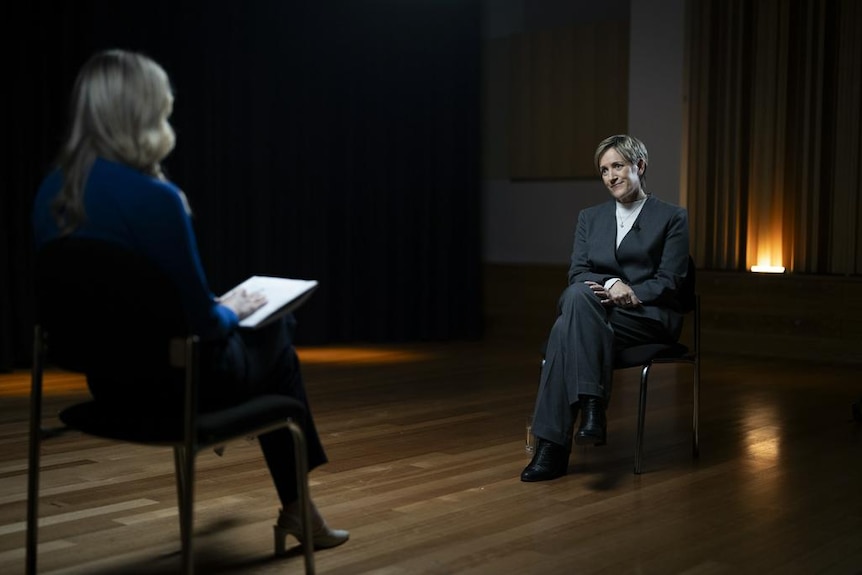
Clare Huppatz says improving Aboriginal health is one of her focus issues. (ABC News: Jake Sturmer)
“I think key to that improvement is working with the Aboriginal health sector and using their leadership and their goals and their objectives to really drive change in those areas.”