







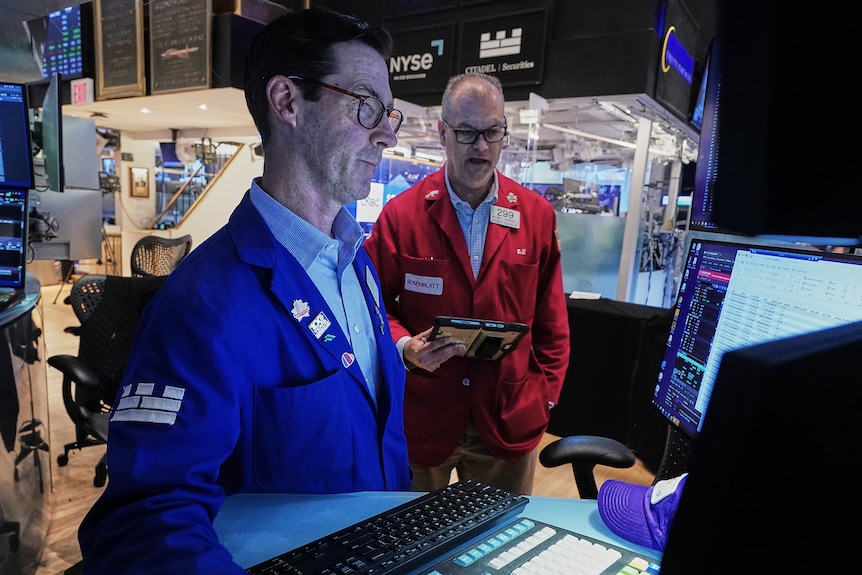
The US stock market has experienced its worst losses in months due to large sell-offs of shares in multiple technology giants and fears of a looming rate hike in the wake of a strong jobs figures report.
On Wall Street, the S&P 500 sank 2.6 per cent on Friday, local time, marking its biggest one-day drop since October 10, when the Trump administration threatened to impose a 100 per cent tariff on imported goods from China.
The losses helped push the benchmark index to its first losing week in the last 10.
The Dow Jones Industrial Average also fell 1.4 per cent, while the Nasdaq composite slumped by 4.2 per cent.
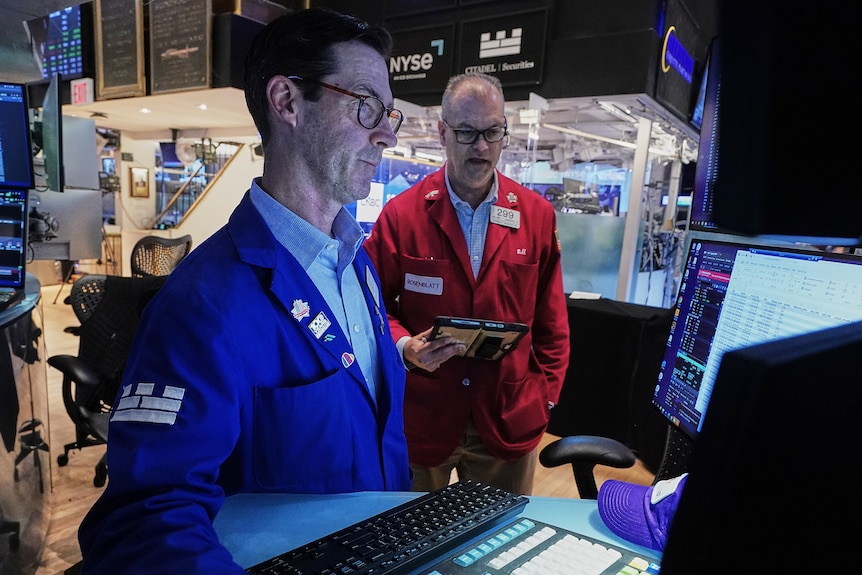
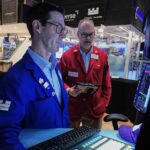
The Wall Street losses came after a federal report showed US employers had added far more jobs to the national market than expected in May. (AP: Richard Drew)
Tech stocks dragged the broader market lower as companies that had powered the S&P 500 to a series of records over the past two months saw losses.
The so-called “Magnificent Seven,” which includes AI players Nvidia, Google-parent Alphabet and Meta, all closed lower.
Nvidia fell 6.2 per cent, Broadcom dropped 7.9 per cent and Micron Technology slid 13.3 per cent for the biggest loss among stocks in the S&P 500.
Shares in Meta fell 5.5 per cent after a published report that the social media giant may seek to do a new stock offering to raise funds for spending on AI infrastructure.
Stocks within the S&P 500 were not far from being evenly split between gainers and losers, but many of the bigger tech stocks have pricey values that tend to give them outsized influence on the broader market.
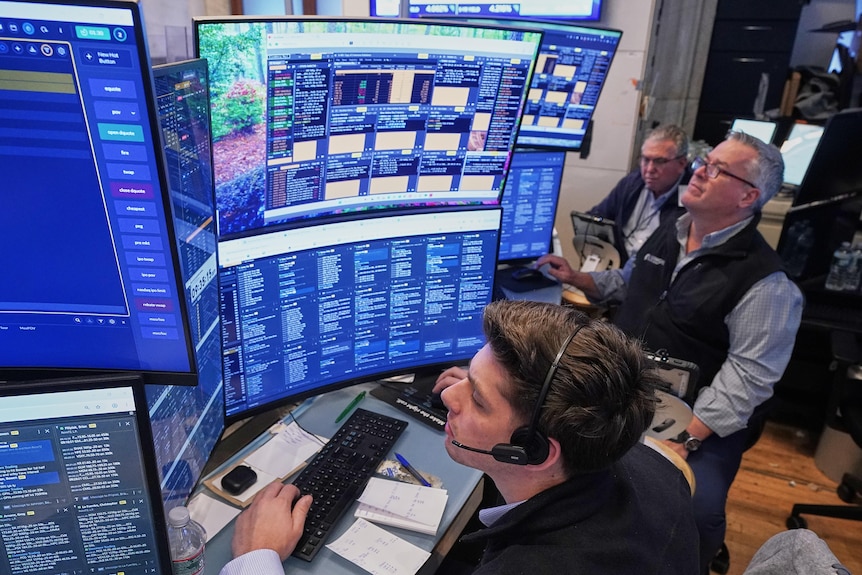
The US share market has been operating under tense conditions in the wake of the ongoing conflict in the Middle East and rising inflation. (AP: Richard Drew)
Data showed US employers added 172,000 jobs in May, far more than the 80,000 expected for the month, bolstering bets that the Fed Reserve could raise rates later this year.
It is the latest report showing that employment remains solid, despite the squeeze inflation is putting on businesses and consumers.
US Treasury yields surged following the report, with the yield on the two-year note — which typically moves in step with Fed rate expectations — hitting a 15-month high. It was last at 4.147 per cent.
Loading…
The Wall Street losses came amid the ongoing conflict in the Middle East.
“We’re talking about a strong economy,” Gary Schlossberg, a Wells Fargo Investment Institute market strategist, said.
“That just adds to inflation risk coming from the Gulf.
“It makes it difficult for the Fed to even think about rate cuts and might even increase the chances — although we’re still not forecasting that yet — of a rate hike by the Fed before the end of the year against the backdrop of inflation.”
US President Donald Trump reacted with confusion to the Wall Street losses.
“With a great Jobs Report, like just announced, stocks should go up, not down,” he said on Truth Social.
“That’s the way it was for 200 years. Growth does not mean inflation!
“How else can a country attain GREATNESS???”
The tech tremors also hit Asian stock markets.
South Korea’s tech-heavy stock market tanked almost 7 per cent at one point on Friday, local time, before ending down 5.5 per cent, while Japan’s Nikkei was off more than 1 per cent.
Inflation and price of oil key to balancing US rates impact
The Fed has been holding interest rates steady as it tries to gauge the ongoing impact from rising inflation.
Newly-installed Fed Chair Kevin Warsh is set to head his first policy meeting in the coming fortnight.
Prices were already ticking higher from the impact of tariffs, while the US war with Iran has essentially blocked crude oil shipments from moving through the Strait of Hormuz.
The price of Brent crude — the international standard — fell 2 per cent to settle at $US93.09 ($132). It was about $US70 ($99) per barrel before the war.
The surge in oil prices prompted a jump in fuel prices, which has sparked a broader rise in inflation as costs for anything being shipped move higher and threaten to slow economic growth.
A measure of inflation preferred by the Fed showed that prices rose 3.8 per cent overall in April. That marked the biggest increase in two years.
Wall Street has been anticipating that talks to end the war will eventually be successful.
American and Iranian negotiators reached a tentative deal last week to extend their ceasefire, but the agreement has not been finalised.
Wires