






Mike Risk loves watching the Australia’s only mainland colony of gannets at Point Danger on Victoria’s rugged south-west coast.
The majestic flock of about 300 seabirds nests on a cliff on the edge of the roaring Southern Ocean at Portland, a four-hour drive west of Melbourne.
Usually Mr Risk will marvel at the birds as they circle in the air and dive into the swirling sea, but this month he has been watching for something more sinister.
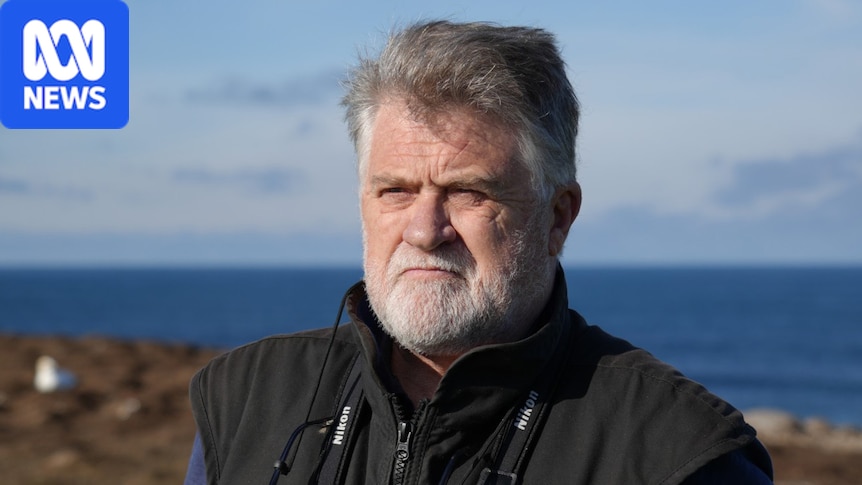
Mike Risk is keeping a close eye on the birds. (ABC News: Jean Bell)
The arrival of the deadly H5N1 strain of bird flu in Australia has authorities and wildlife groups around the country on high alert, keeping a close eye out for reports of sick or dead birds along the shoreline.
A positive case was recorded just across the Victorian-South Australian border in Robe, about 200 kilometres north-west of the gannet colony.
Portland is home to Australia’s only mainland gannet colony. (ABC News: Jean Bell)
Mr Risk, who is on the Point Danger Committee of Management and educates tourists about the gannet colony, said he was watching for any sign of the virus infecting his birds.
“We’re monitoring constantly, obviously looking for any signs of illness or death,” he said.
Mr Risk hopes the birds have some immunity to the new virus. (ABC News: Isabelle Anderson)
The virus has decimated bird populations overseas.
In Europe, a new study by the Royal Society for the Protection of Birds and Aarhus University shows gannet populations at two of the world’s largest colonies, Bass Rock in Scotland, and Grassholm in Wales, were not expected to recover from the impact of bird flu until 2041 at the earliest.
Mr Risk hoped his beloved gannets might have some immunity to the new virus, but he feared the same could happen here.
“It’s impossible for [authorities] to cover everything, so this is where citizen scientists come into our own, we’re out there looking,”
he said.
Birds-eye view
The state government has called in its top guns to offer some more high-tech surveillance.
The Department of Energy, Environment, and Climate Action (DEECA) is using a helicopter specially equipped with the latest video and infrared technology to scour the coastline for birds.
Stephen Salathiel is among the crews working to detect bird flu. (ABC News: Supplied: DEECA)
The department’s aerial intelligence-gathering mapper, Stephen Salathiel, said the helicopter was covering between 250 and 300 kilometres a day.
“If we see anything unusual, we can radio it in immediately to speak to ground crews,”
he said.
Chief biodiversity officer James Todd said staff could then act quickly.
“In some cases, that might involve further testing or sampling of that colony, or that bird nesting area,” he said.
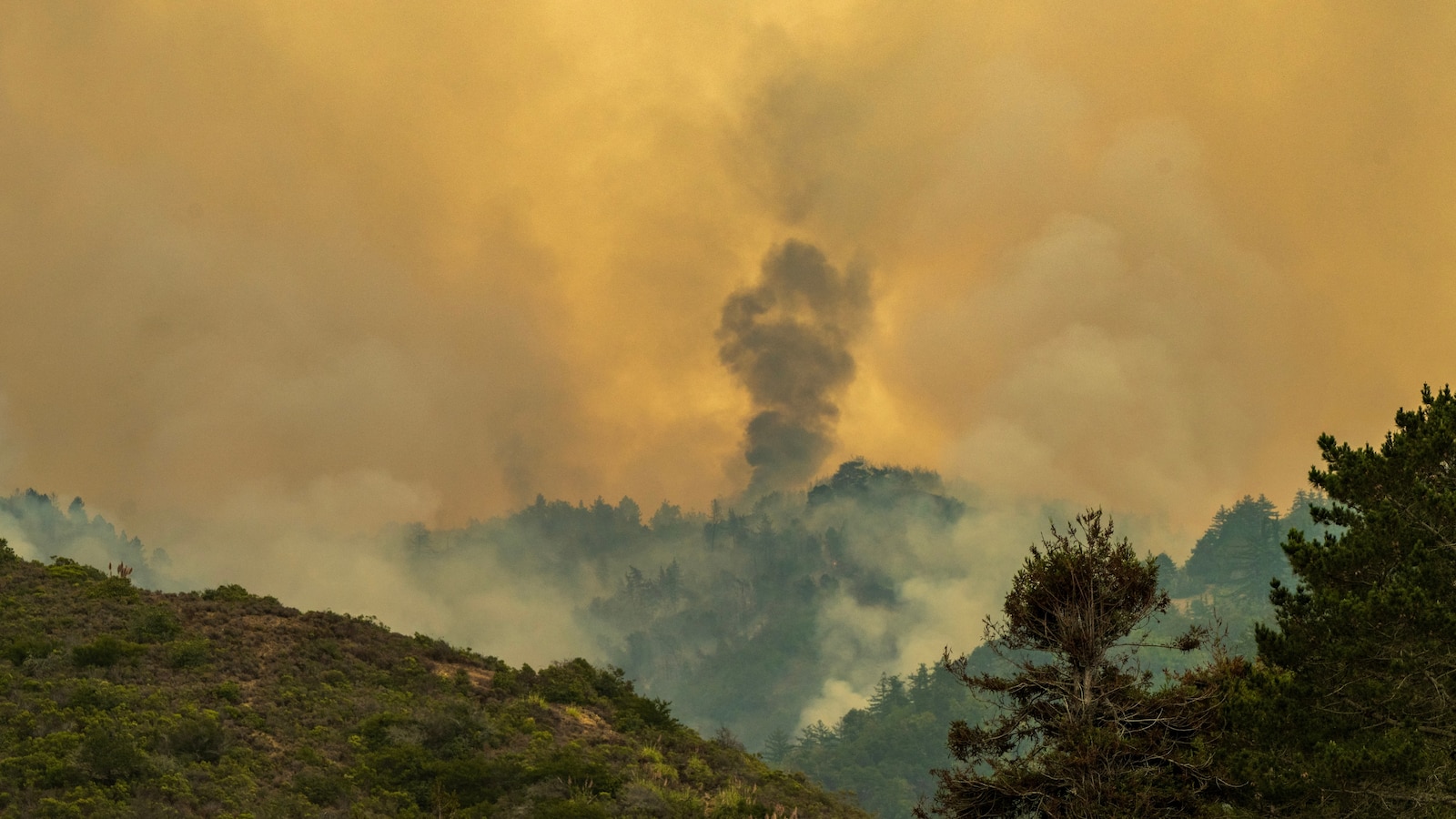
Helicopters are scouring Victoria’s coast for signs of bird flu. (ABC News: Supplied: DEECA)
While the recent outbreak of the H7 strand in Australia forced farmers to destroy millions of chickens, the new H5 variety has presented a threat to native wildlife as well.
Chief veterinary officer Graeme Cook said the new variant was behaving differently.
“It reinforces the importance of surveillance for the early detection of it,” he said.
Minister for Agriculture Michaela Settle urged Victorians to keep an eye out for wildlife showing any signs of the virus.
“If you see a dead mammal or seabird, please contact DEECA because we need everyone in Victoria protecting our wildlife,” she said.