






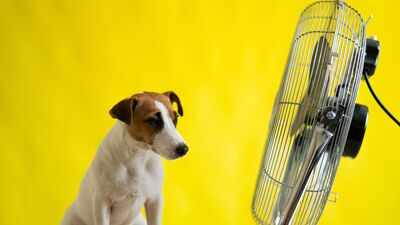
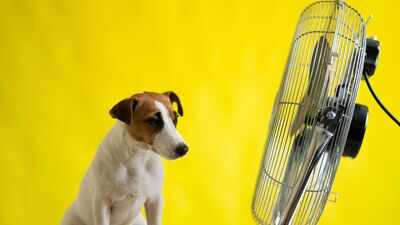
Summer heatwaves are becoming so intense that simply resting inside the house or hanging out in the garden is putting pets at serious risk of heatstroke. Vets across the UK are sounding the alarm as consecutive heatwaves push temperatures past 40°C across Europe, marking a massive shift in how these emergencies happen. In the past, most pet heatstroke cases occurred because an owner made the mistake of walking their dog during the hottest part of the day or leaving them in a scorching car. Now, even when owners follow all the traditional safety advice and do everything right, the sheer intensity of the indoor and outdoor ambient temperature is catching people completely off guard.Pets and heatMost pet owners have gotten incredibly sensible about avoiding the obvious dangers, resulting in almost zero cases from dogs being over-exercised or trapped in cars during these extreme spikes. Instead, animals are overheating while doing completely normal, low-energy activities around the home. Dogs are getting heatstroke just by wandering around or lying down in sunny backyards, while rabbits and guinea pigs are overheating right inside their outdoor hutches and runs as standard shade spots move or disappear. Cats are also highly vulnerable, frequently suffering from heat stress inside their carriers during necessary travel or accidentally getting trapped in stifling greenhouses. The data backs up this worrying shift, with Inspiring Vet Care reporting 355 suspected heatstroke incidents in 2025 alone, representing a major 28% spike from the previous year. While the heat affects all animals, certain pets are pushed into a medical crisis much faster by the rising mercury. Flat-faced breeds that naturally struggle to breathe and regulate their temperature are at a severe disadvantage, as are thick-coated breeds that trap body heat. Animals with pre-existing conditions, like heart disease or respiratory issues, are especially vulnerable because the extreme heat can destabilize pets who are otherwise perfectly manageable on their daily medications. To catch problems early, owners need to watch for physical signs of distress, which include heavy, unstoppable panting, confusion or disorientation, extreme lethargy, and vomiting.How to keep them safeProtecting your pets during a heatwave requires changing how you manage your home and their daily routines. Vets recommend treating the house like an insulated cooler by keeping curtains and windows shut tightly when the air outside is scorching, then opening them up only when the outside temperature drops in the evening. When temperatures skyrocket, it is entirely appropriate to skip outdoor walks for a few days and replace physical exercise with indoor mental stimulation like scent games. You should also postpone stressful cat travel until the weather cools down, but if you must travel, use a well-ventilated carrier lined with a damp towel inside an air-conditioned vehicle. Finally, keep fresh water available at all times and consider wetting your pet down with a hose or sprinkler, since the evaporating water helps them cool down. Ultimately, the best rule of thumb is a simple one: if a room or a backyard feels uncomfortably hot to you, it is already way too hot for your pet.