








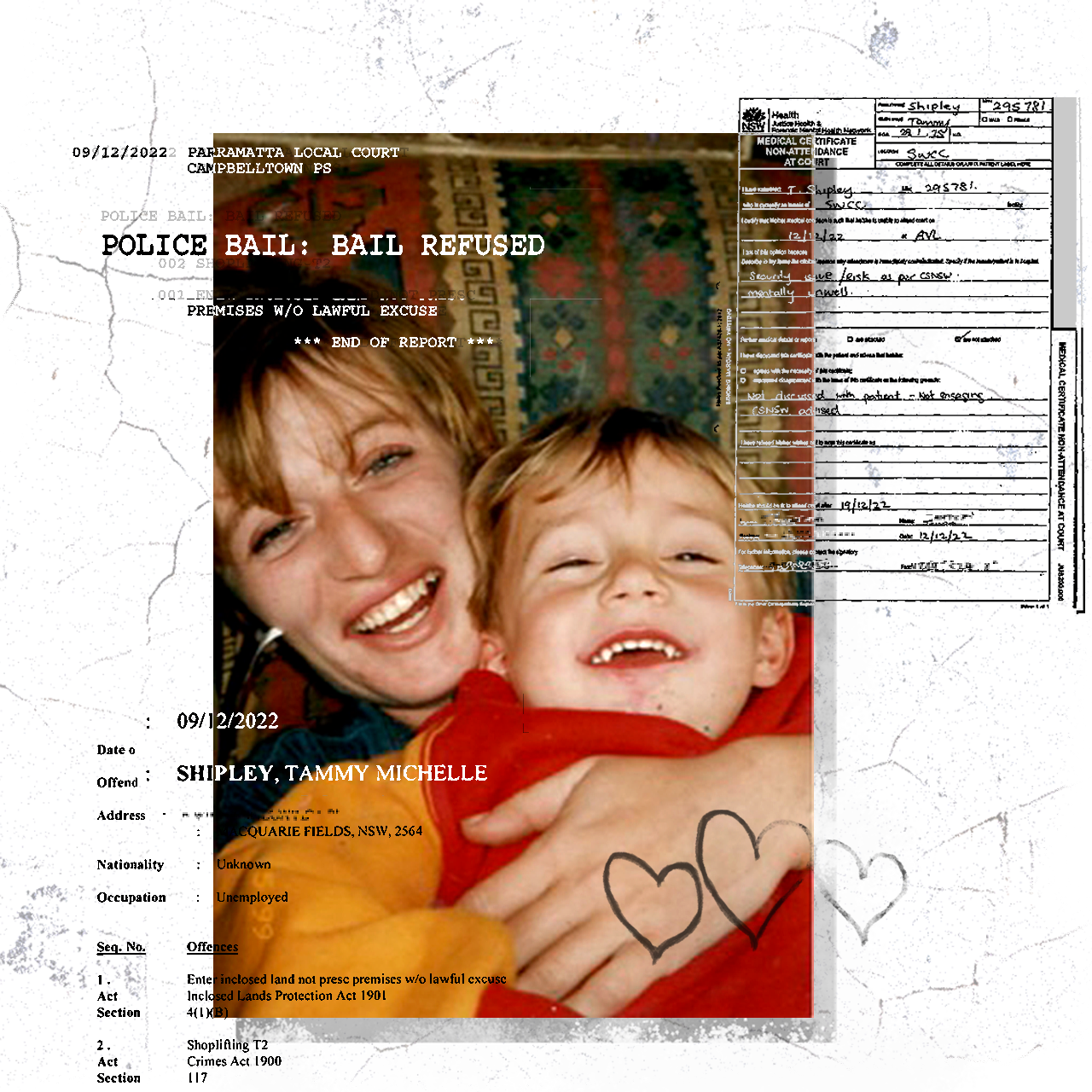
Tammy Shipley walked into a police station and asked to be arrested. She just wanted to be safe.
Within days she was under 24-hour surveillance. No-one knew what they were watching.
It was just past sunset, five sleeps until Christmas, when Vicki Shipley heard footsteps approaching her front door.
She’d been finishing the cleaning up. The tree was dressed, decorations everywhere, grandkids milling about somewhere upstairs. Her nephew had just been sent out with the rubbish bins when suddenly the boy came running back inside, excited.
A police car had just pulled up out front, he announced.
Moments later, two detectives were at the door. They asked Vicki to confirm her name, and whether there was anyone who could be with her for what they were about to say.
Her daughter, 47-year-old Tammy, had passed away.
Vicki stood there in total disbelief. Then came something else. A mother’s instinct.
“Straight away I understood that this didn’t happen suddenly,” she says. “This would have happened over days. And I wanted to know why.”
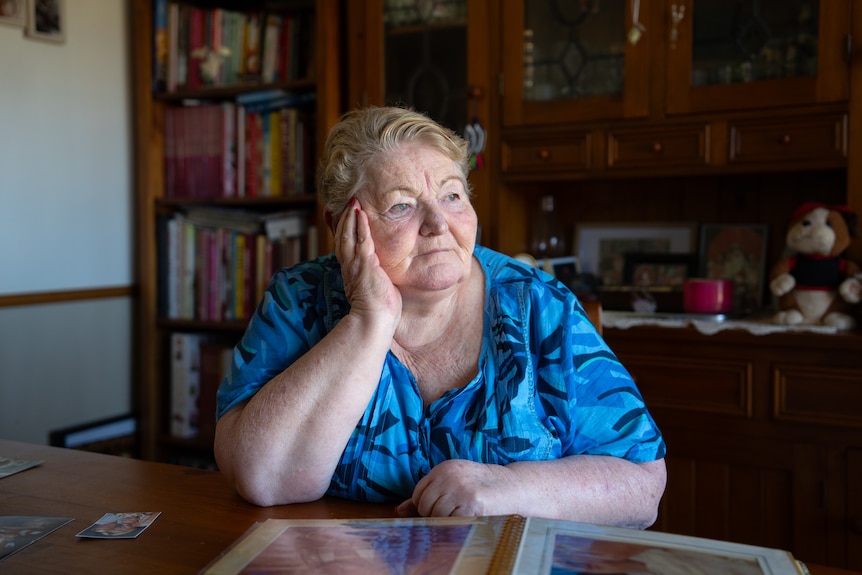
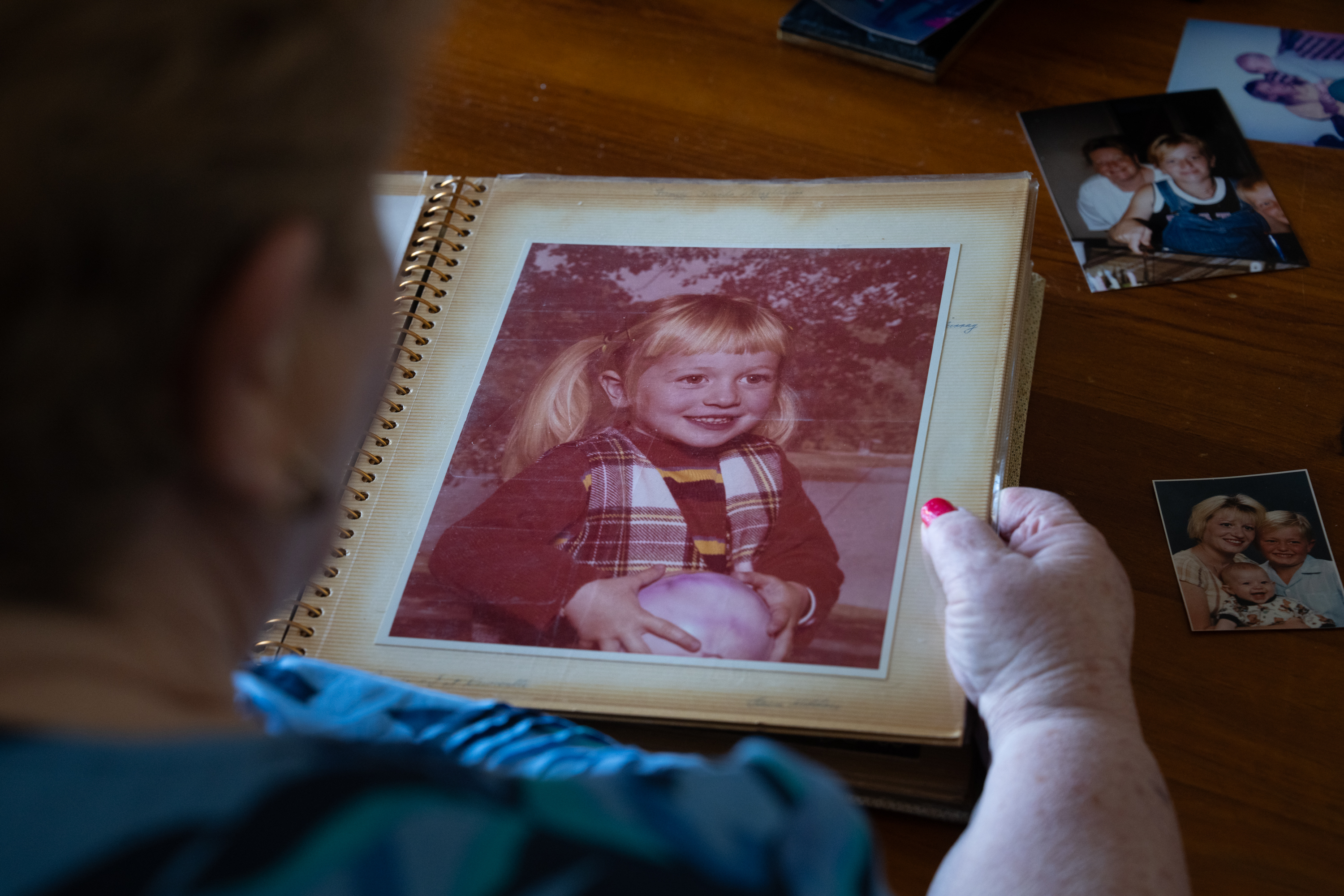
In the days that followed, Tammy’s family slowly began piecing together the circumstances in which she had died.
How 11 days after Tammy had gone to the police seeking protection, she died under 24-hour surveillance.
Background Briefing has spent months investigating how this was possible.
This story has confronting content and recordings of an Aboriginal person who has died. This material has been used with the permission of Tammy Shipley’s family.
Tammy Shipley grew up the daughter of a woman who worked nights as a nurse and raised her largely alone. By Vicki’s account, she was a talented child, one who loved playing netball and writing poetry.
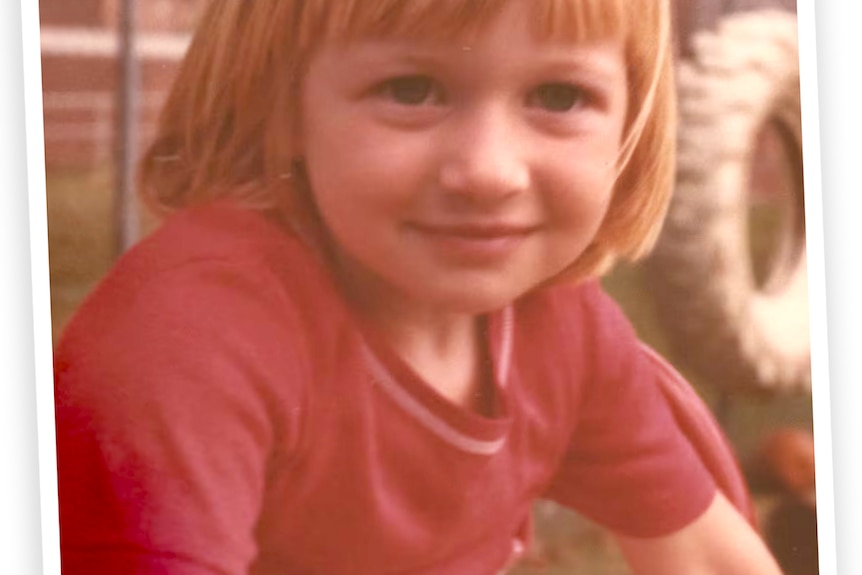
“She’s very academic. She was quite bright and very successful with her schoolwork,” Vicki remembers. “Very athletic. She was in a team that was the New South Wales state champions.”
After she grew up, she had six children who remember her as a caring, funny personality. Tammy made her kids laugh and smile — even when they were angry with her.
Her eldest, 29-year-old Liam*, remembers a specific moment.
“We did a fake marriage, I was probably like five or six, and we got married and I dressed up and she put all this makeup on me.”
Liam, now living in London, where he works as a professional dancer, remembers Tammy as his biggest supporter. Without her encouragement, he wouldn’t have won the scholarships that got him to pursue this career.
“She just always was so like accepting of me and what I wanted to do.”
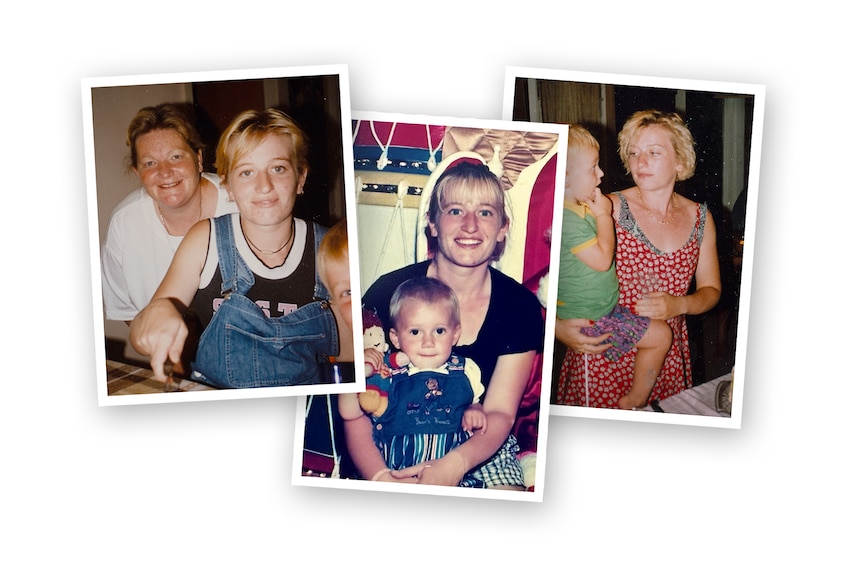
But Tammy faced more than her share of challenges. Her whole adult life she had fought hard just to stay well. She had beaten cancer twice, and was diagnosed with schizophrenia and bipolar as a young woman. Medication had been effective for years-long stretches. But sometimes she would still hear voices, or see people who weren’t there.
Two weeks before the detectives knocked on Vicki’s door, Tammy felt herself sliding into a crisis. She believed someone was after her.
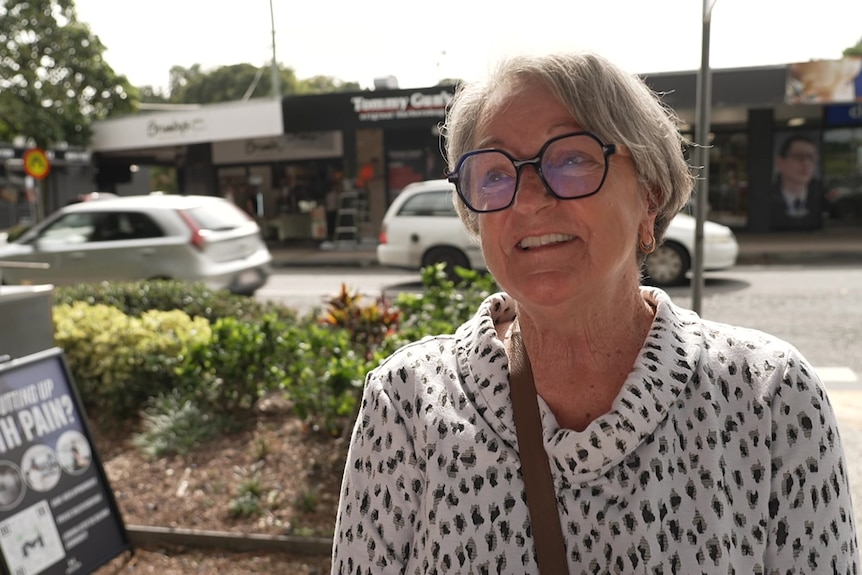
“She wanted to be somewhere where she knows that she’ll be protected,” Liam says. “I feel like she was asking for help.“
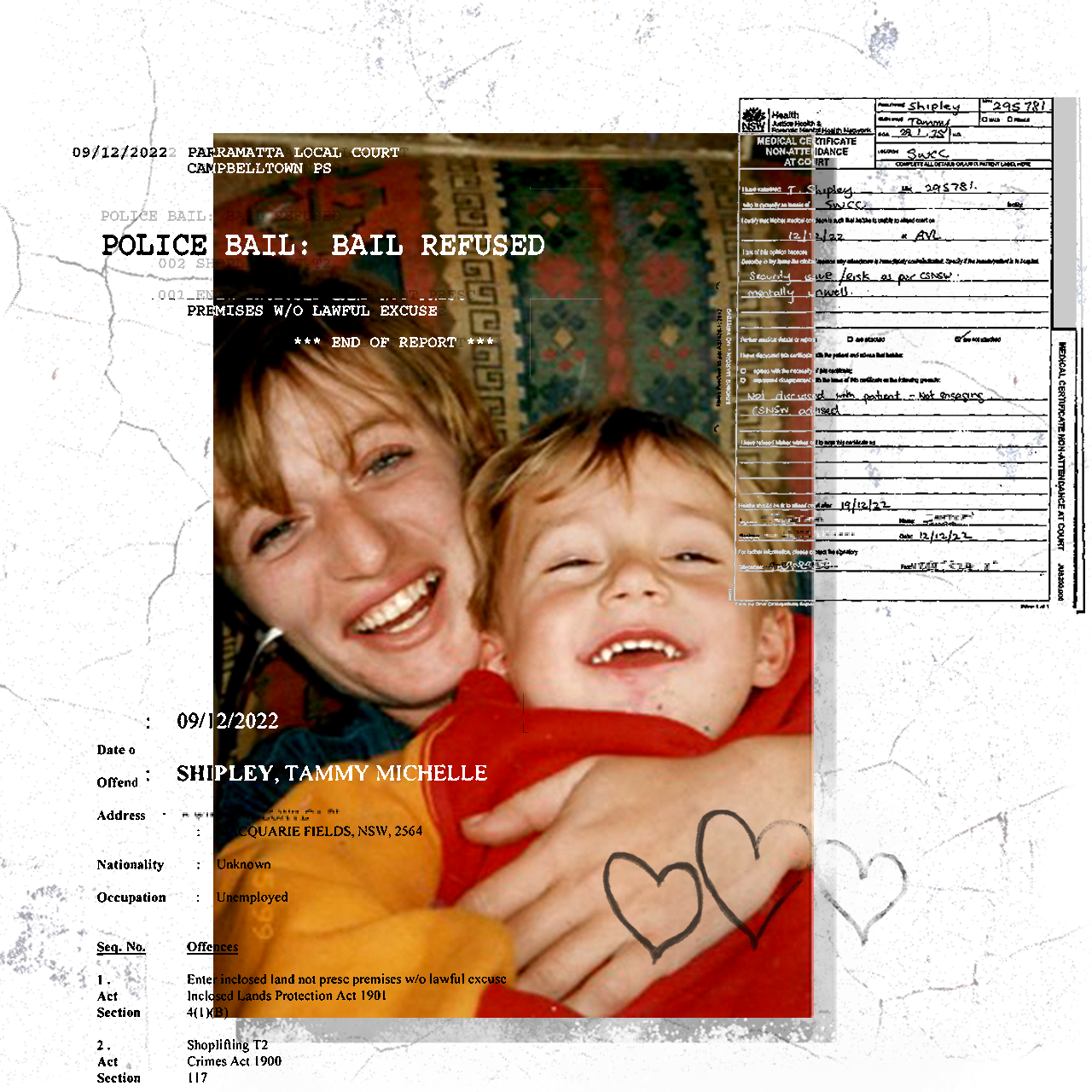
She turned to the one institution she believed could protect her. On December 9, 2022 she walked into Macquarie Fields Police Station and asked to be arrested.
“ She wanted to be arrested to be safe,” Vicki says. “In her psychotic state, that’s what comes out: the police are there to make you safe.”
The police declined. So Tammy made a plan. Later that day, she went to Target at Glenquarie Shopping Centre, and stole $574 of items: a sandwich press, a nail brush, some clothes.
When police met her in a backroom, she appeared calm, cooperative, but uncommunicative.
“ What can you tell me about the allegation that you’ve stolen some items today?” the constable asked.
“Got nothin’ to say,” Tammy replied.
They took her to Campbelltown Police Station, where she was charged with shoplifting and trespass. Instead of prison, or being sent to a mental health clinic, she was given a conditional release order, and banned from the mall.
Hours later, she was back.
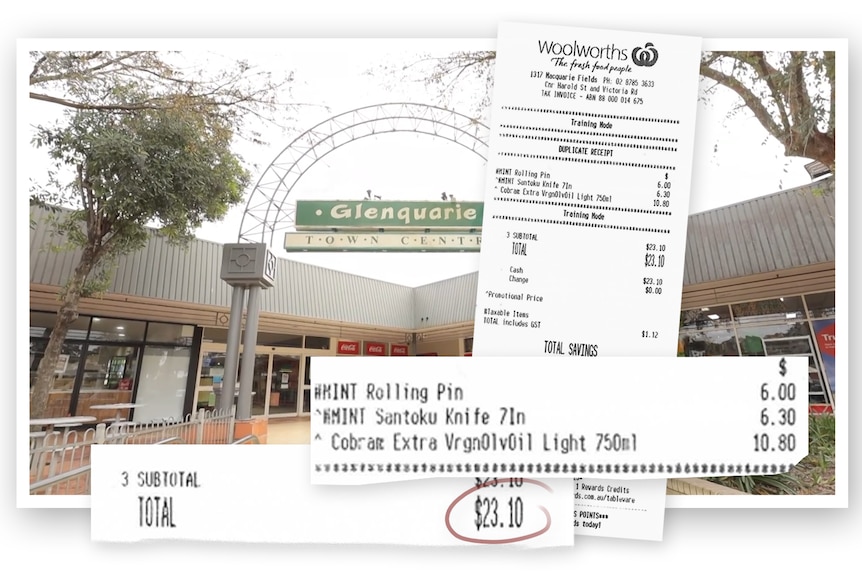
She walked into Woolworths, where she took a bottle of olive oil, a kitchen knife, and a rolling pin. Items worth $23.10.
Again, security takes her to a backroom, where once again she’s met by police officers.
“Did you go up to make the stations to report earlier?” a constable asked.
“Yeah.”
“What happened there?”
“They wouldn’t charge me,” Tammy replied.
“So, what’s the go? You came to the station wanted to be locked up?
“Yep.”
“Do you wanna go to jail?”
“Yeah, it’d be nice,” Tammy says.
She was refused bail and taken back to Campbelltown police station. There, Tammy told the custody manager she has no history of mental health issues.
The officers are supposed to crosscheck this against their internal files. NSW Police had interacted with Tammy for mental health episodes at least four times in the previous year alone. Thirteen days prior, she walked into Macquarie Fields station, complaining that her neighbour was talking inside her head.
But on that afternoon in Campbelltown police station, there is nothing to suggest the arresting officers checked her records.
The police fact sheet simply stated: “Police not aware of any drug or mental health issues of the accused.”
The next day Tammy appeared via videolink at the Parramatta Local Court. She was unrepresented and the hearing was over in minutes.
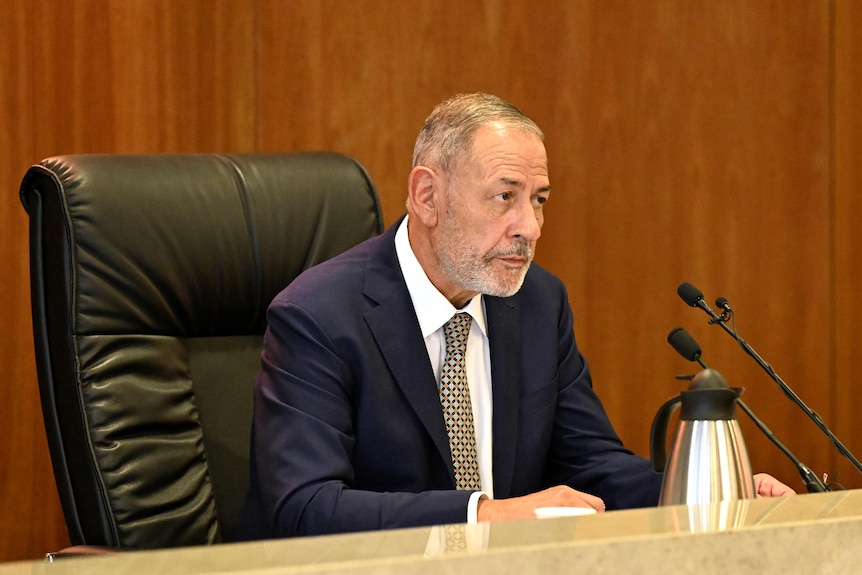
“Right, Ms Shipley, I’m told you’re representing yourself, is that right?” the magistrate asked.
“That’s right,” Tammy replied.
She initially indicated she wanted bail, then appeared to change her mind.
“No I don’t want bail.”
“So you want to stay in custody?”
“Yeah I want to stay in custody.”
At no point is Tammy asked why she wants to stay in custody, or why she had asked to be arrested the day before. No mention was made of her schizophrenia either.
The next day, she’s transferred to the maximum-security Silverwater prison. Almost immediately after arriving, Tammy attempted to take her own life.
She was given a modesty gown, and a safety blanket, and moved to Cell 5 of the Mum Shirl Unit, where she could be monitored around the clock.
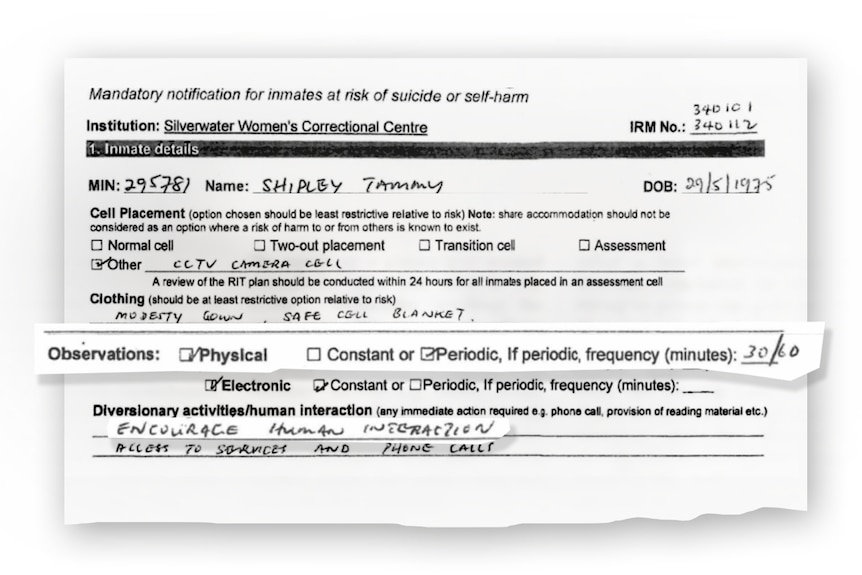
Staff then issued a medical certificate, declaring her too mentally unwell to attend court.
Nevertheless, three days after her suicide attempt, Tammy appears via videolink to Campbelltown Local Court, where she’s facing the trespass and Woolworths shoplifting charges.
The court recording captures a woman who is fragile, but clearly lucid enough to explain herself. Once again, she’s unrepresented.
“I just wanna represent myself,” she explains. “I shouldn’t really be here. I made a mistake.”
“I went into like a small psychosis,” she told Magistrate Degnan. “I thought someone was after me and I wanted to just be safe, so I went to Woolworths to get charged.”
She quickly pleads guilty to both charges, and says she wants to get back to her family and her medication.
“I’m all right with my head now,” she quickly adds.
The magistrate reviews the police statement of facts and turns back to Tammy.
“They barred you from the mall and then you went back in?”
“Yep, yep. Because I felt unsafe in the community.”
For trespassing, he gives Tammy the minimum fine: $100.
He then turns to the $23.10 shoplifting charge, notes Tammy’s been in custody for six days already, and offers her a conditional release order.
“Now as far as I’m concerned that should mean you’ll be released,” he says.
“Thank you, Your Honour. Thank you so much.”
The courtroom feeds turn off. Tammy is left sitting in the videolink room in Silverwater.
She meets a corrections officer outside and tells them she has been released. The officer gets her file checked. It showed her bail had actually been revoked.
What happened was a technical glitch: days earlier, police had cancelled Tammy’s bail over the Target shoplifting charges. But that decision had never been updated in the court’s IT system.
When the magistrate reviewed her file, it still showed conditional bail. He told her she’d need to return to court in one month when the Target charges would be heard. As far as he was concerned, she was going free. As far as Tammy was concerned, she was going home.
Nobody followed up with the magistrate. Nobody corrected the record.
Tammy had left the court hearing believing she would be with her family soon.
She had six days left to live.
Loading…
The Mum Shirl Unit in Silverwater carries the name of one of the most beloved figures in modern Indigenous history.
Mum Shirl spent decades visiting Aboriginal people in prison, providing food, clothing, advocacy and love.
She described the prisons she visited as places of deep suffering and called for a world in which they would no longer be necessary.
The Mum Shirl Unit was intended to be a therapeutic place of healing, for those too unwell for the general prison population.
For Tammy Shipley, it became the last place she would ever be.
“There was no room in the mentally ill ward,” Vicki explains. “So she was left to the devices of people who were unskilled.”
It’s important to note that what was about to happen to Tammy Shipley is not an aberration.
Olav Nielssen is a forensic psychiatrist who specialises in schizophrenia.
“Prisons are our new asylums,” Dr Nielssen says. “There’s no two ways about it.”
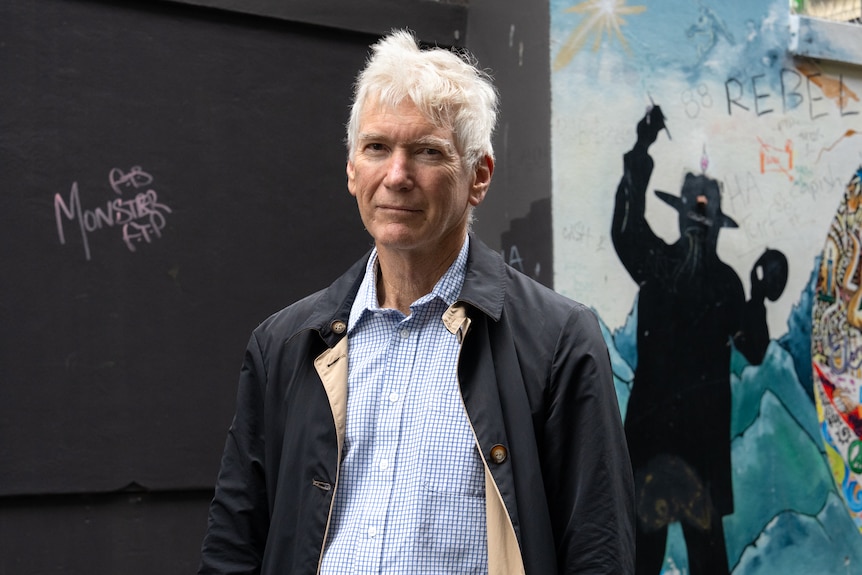
“There’s about 1,000 people with schizophrenia in NSW prisons at any one time,” he says. “And that’s just schizophrenia — not including intellectual disabilities, brain injuries, and personality difficulties.”
“We’ve got 2,600 acute beds outside prison. So you can see that the prisons are by far the biggest mental health service.”
Jade Coupland, a nurse who works in the men’s part of Silverwater, told the Background Briefing podcast these facilities were ill-equipped to deal with the complex psychiatric needs of inmates.
“I would say it would be a rare occasion I wouldn’t have a patient with a mental condition,” she says.
“You are the person that this patient is sitting in front of, and they’re raising these concerns and you have to say, ‘I’m sorry, you’re on the wait list. Like, I know you’ve told us, I know you’re struggling.’
“I can’t do anything. Every day you’re turning around to people and being like, ‘I’m sorry; I can’t help.’ It’s just awful.”
Warning: The following passage contains confronting footage.
This is the CCTV footage of Tammy Shipley inside the Mum Shirl Unit.
Her cell has a single bed with purple plastic sheets.
The shower has no curtain, just perspex glass. There’s a metallic toilet-sink next to it.
That’s it.
Outside, her family is furiously trying to reach her.
“I tried to call the prison to get in contact with them multiple times,” Liam says.
“I’d be told, ‘Oh, you need to have the inmate’s number to be able to contact them.’ And then another person told me, ‘Oh, that inmate is on seven days’ isolation, so they’re not allowed to have any visitors.’ It became just so impossible.”
On the morning of December 18, Tammy called reception.
“I need to make a phone call. No-one knows where I am,” she pleads.
“OK, we can sort that out,” the officer replies.
Her family never received that call.
“A part of me feels that if I was able to just contact my mum or be able to see her, things could’ve been different,” Liam says. “You know, if she didn’t feel so isolated, or she had someone to talk to, then we could be in a very different situation right now.”
About the time of that intercom call, something changes inside Cell 5. Tammy has a red plastic cup.
She fills it up. She drinks. She fills it up again.
She drinks.
This becomes a compulsion, repeated at escalating frequency, and continues for two days.
On December 20, from midnight until midday, she refilled her cup at least 67 times.
Compulsive water-drinking is what’s known as polydipsia. When the brain is in crisis, it can drive the body to consume water in volumes that overwhelm the kidneys.
The water dilutes sodium in the blood. As sodium levels fall, the brain swells inside the skull. Seizures follow.
It is not a sudden event. It develops over hours. Caught early enough, it is treatable.
It is disproportionately seen in people with schizophrenia, particularly in custodial settings, and often exacerbated by stressful events.
Dr Nielssen believes in Tammy’s case it was probably a combination of her psychotic illness and the sensory deprivation.
“If she’d been communicating with people or watching television or out and about, she may not have just kept going back and forth to the tap, but I think the sensory deprivation is a kind of torture.
“She just drank and drank and drank, something like 20 litres of pure water.”
CCTV footage shows that by 10am Tammy’s condition was deteriorating rapidly. She started vomiting. But she returned to the basin, and forced herself to keep drinking. Confused, she tries to drink from the cup when it’s clearly empty.
At 11:57am, she begins seizures.
Her body goes into spasms.
These continue for the next hour.
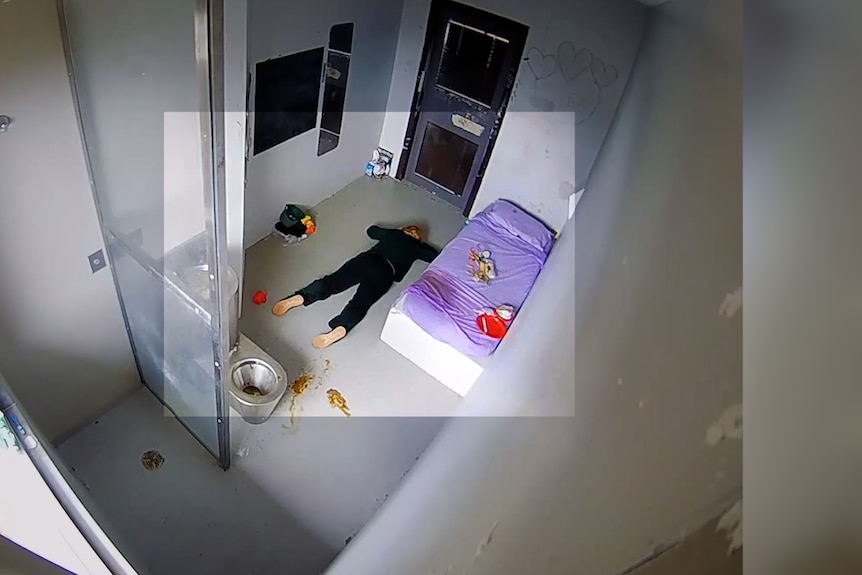
By 12:58pm she was face down on the floor.
She lay there for another half an hour.
The guards monitoring the CCTV apparently didn’t know what they were seeing.
Corrective Services NSW policy states that signs of inmates twitching, having seizures and vomiting should prompt an urgent response. The camera was on the entire time.
It was not until after 1:15pm when a guard casually suggested to a prison nurse that perhaps she might want to check on the inmate in Cell 5.
At 2:25pm, 11 days after Tammy Shipley asked to be arrested, seeking protection, she was pronounced dead, after drinking too much tap water.
Liam remembers getting the call from his grandmother. At the time he was living in a sharehouse in Glebe, a short walk from Sydney’s CBD.
“I just could not believe that,” he says. “It didn’t feel real. You would question: ‘How? How could this be possible?'”
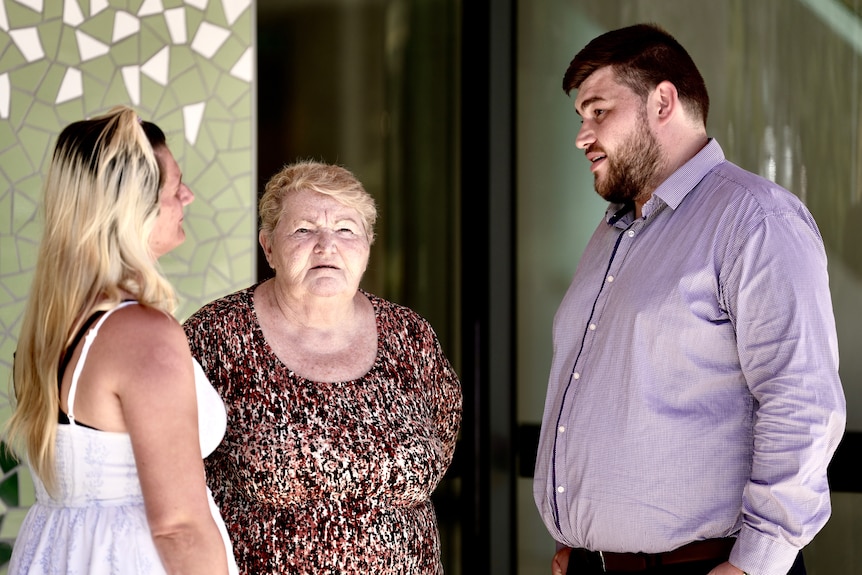
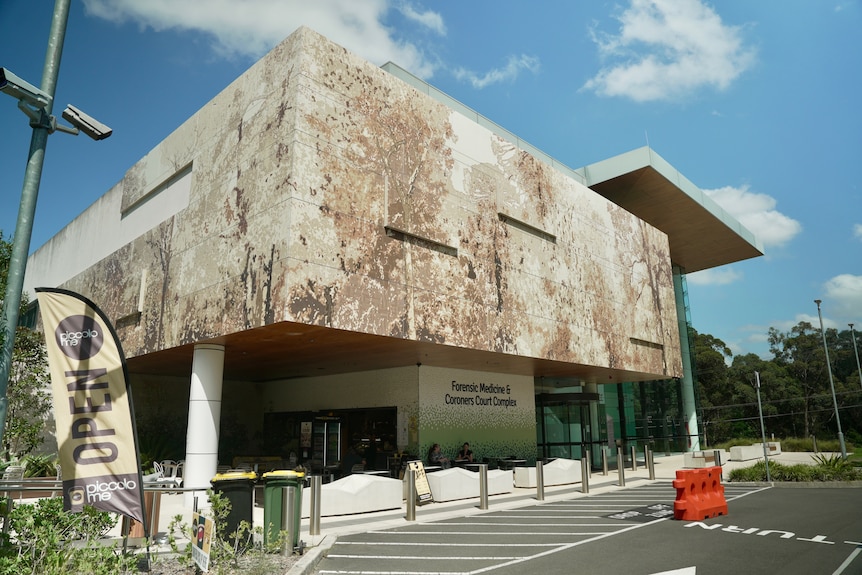
The family was not told at first the circumstances in which she had died. It was only two years later, when a coronial inquest began investigating the circumstances of Tammy’s death, that they saw the CCTV footage from Cell 5, and heard from witnesses at Silverwater that day.
At the coroner’s court, they heard how physical checks of cells in the Mum Shirl Unit were supposed to happen every 30 minutes.
The CCTV, reviewed by the coroner, tells a different story.
At 12:20pm, corrective officer Wilson and two other guards walk past the cell, oblivious to how Tammy is having seizures inside.
The blinds on Tammy’s cell-door window were broken.
Guards and nurses couldn’t see through it unless they put their head up close and peer through the gap. They have to communicate with Tammy through the hatch below.
The last physical check recorded before Tammy died was at 10:41am. This was 4 hours before she was pronounced dead.
Her seizures worsen. Then at 12:27pm, Officer Wilson is again seen walking past Cell 5.
It’s not until about 1:15pm, when she was noticed lying face down on the CCTV, and Officer Wilson opens the cell hatch to check on her.
In his evidence to the inquest, he stated she “responded and moved about”.
The footage shows that by that point, she was face down on the concrete floor, comatose.
Officer Wilson then went to speak with a nurse who was in the middle of a methadone round.
When he was put under cross-examination, counsel assisting the coroner, Peggy Dwyer SC, asked Officer Wilson to reflect on this exchange.
“She says the correctional officer she spoke to was blasé when speaking of the situation and did not express any urgency,” Dr Dwyer put to Officer Wilson. “Do you accept that you didn’t express any urgency when you were speaking to her?”
“Yes,” Officer Wilson said. “I accept that I didn’t express any urgency.”
The nurse told the inquest she had been told Tammy had behavioural issues, was difficult to deal with, was throwing faeces in her cell, and was a safety risk to move. Officer Wilson denied saying any of those things.
A second nurse told the inquest that Officer Wilson later said: “She has been like this since the morning. She has been vomiting and has had faecal matter around the cell since this morning.”
Officer Wilson denied saying that too.
Loading…
On the afternoon of Tammy’s death, when the nurses finally did reach Cell 5, they were told there were not enough officers present to open the cell door. The guards’ shift change was underway. They remember waiting for an officer to come open the door, and how he then immediately walked away.
“After seeing all the evidence and watching the surveillance camera footage,” Liam says, “the way that she was treated in that cell is disgusting. And I just feel like it’s such a shame that people are being left to pretty much just die by themselves when they should have had the support.”
He pauses.
“You see people just walking past the cell and it’s like, ‘Why aren’t you doing your job?’
“At the end of the day, you get to go home. And I have to go home and now not have a mum because you didn’t do your job.”
Vicki Shipley thinks about the questions she’s asked herself, ever since the two detectives arrived on her doorstep that night.
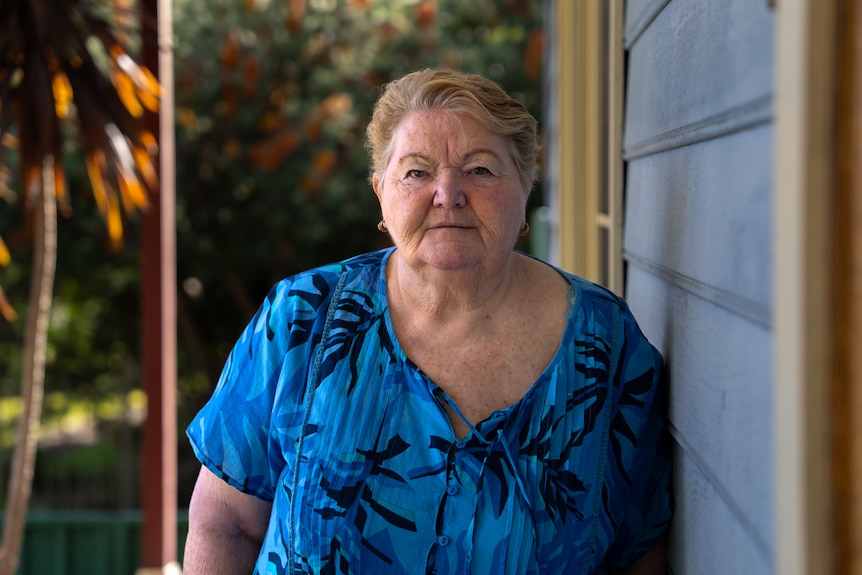
“You ask yourself, ‘Have you done enough? Did you do enough?’ she says.
“But you obviously didn’t, because you couldn’t save them. And you ask yourself that every day.
“If someone can’t be protected in jail,” she says, “then we haven’t gone past the convict era.”
On January 12, 2023, Campbelltown Local Court convened to deal with the shoplifting charge that had kept Tammy Shipley in custody: the original offence involving her theft of a sandwich press, a nail brush, and some clothes from Target.
Tammy was convicted in absentia and fined $1,000.
She had been dead for 23 days. Nobody told the court.
In her interim ruling, the coroner found that Tammy had been in an acute phase of psychosis from the moment of her arrest. She found that police had failed to pass on accurate mental health information, and that in those final six days, Tammy “could not get adequate treatment for her mental health condition and died as a result of it.”
Jade Coupland, the nurse working inside Silverwater, says coroners have repeatedly raised the issue of under-resourcing in NSW prisons in recent years, to no avail.
“If anything, staffing has gotten worse since I’ve been in the system,” she says. “It’s not good enough that they’re just recommendations anymore. There needs to be some accountability. How many more deaths are going to happen before they decide that, yeah, OK, we’re going to listen now?”
For Liam, it’s just too late.
“At the end of the day,” he says, “I still don’t have a mum. You can have all these recommendations. But even then — it’s like, I still don’t have a mum.”
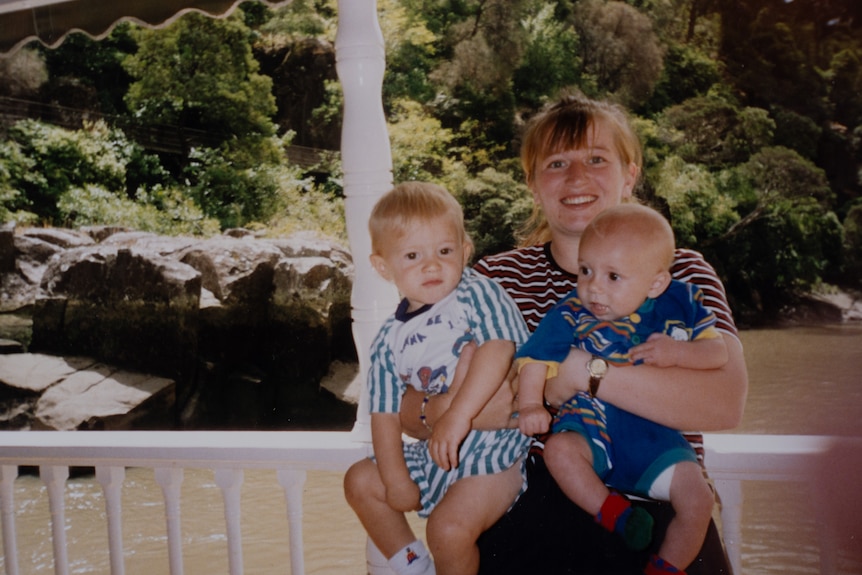
She was 47 years old. She was someone’s safe place. Somebody’s confidant. She once answered a call at 1am when her daughter was in labour, and talked her through the contractions. The child born that night never got to know her nan, but her sister did. And that little girl would run to the front door every time she heard the gate creak open, calling out for nan, a nan who never came home.
Tammy died alone, 11 days after she had walked into a police station and asked to be kept safe, inside a prison unit named after a proud Wiradjuri woman who spent her life trying to make jail a more merciful place.
This is Tammy’s story.
Does this bring something up for you?
- Lifeline (24-hour crisis line): 131 114
- 13YARN: 13 92 76
- Beyond Blue: 1300 22 46 36
- Headspace: 1800 650 890
Images and recordings depicting Tammy Shipley have been used with the permission from her family.
The coronial inquest into her death is ongoing before State Coroner Teresa O’Sullivan.
Background Briefing sought comment from Corrective Services NSW, as well as the Justice Health and Forensic Mental Health Network. Spokespersons for both agencies provided condolences to the family of Tammy Shipley, and said it would not be appropriate to provide further comment as the matter remains before the coroner.
NSW Police declined to comment.
The ABC put questions to the lawyer for the guards but did not receive a response.
Jade Coupland is speaking as a member of the NSW Nurses and Midwives Association.
*Liam’s real name cannot be published for legal reasons.
Credits
Reporting: Kirstie Wellauer, Joanna McCarthy, and Ben Sveen
Photography: Jack Fisher
Digital Production: Ben Sveen and Jack Fisher
Additional graphics: Sharon Gordon
Executive Producer: Fanou Filali