









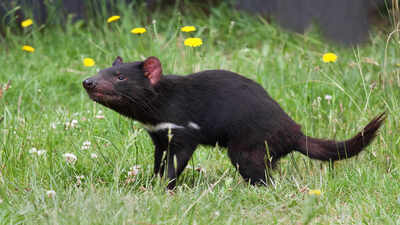
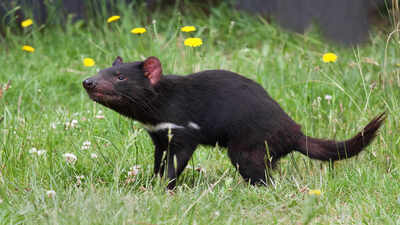
For the Tasmanian devil, time is running short as the species faces shrinking genetic diversity. As the largest living carnivorous marsupial, the species has spent three decades confronting contagious clonal cancers. Wildlife biologists have long known that Devil Facial Tumour Disease can devastate populations, but the emergence of new, fast-evolving strains has made urgent action essential.To truly understand why the genetic landscape of the Tasmanian devil is so perilous, scientists are looking closely at how we evaluate genetic diversity in Australian wildlife as a whole. A key comparative milestone in this field is the study published in the journal Australian Zoologist. This paper evaluated the short-beaked echidna and found that populations across Australia differ in physical traits, hibernation habits, and milk chemistry, while mitochondrial DNA analysis does not clearly support these subspecies. This suggests that the echidna may have adapted to local climates despite a relatively homogeneous genetic background.In the Tasmanian devil, low genetic diversity is a warning sign of vulnerability. Whereas the echidna adapted very well and successfully during the Pleistocene, the lack of sufficient genetic diversity in the devils, particularly their major histocompatibility complex genes, has made them vulnerable to fast-evolving viruses that they may be less able to fight.The double-edged threat of mutating cancersTasmanian devils are killed not by a pathogen but by cancerous cells. The tumours of the Tasmanian devil are contagious allografts; when the devils bite each other while mating or competing for food, they transfer living cancer cells from one body to the other. Since the devils’ immune systems do not recognise these cells as foreign, the tumour grows unabated until it prevents the host from feeding or drinking.The crisis has entered a dangerous new phase with the co-existence of two distinct transmissible cancers, known to researchers as DFT1 and DFT2. The broader disease, Devil Facial Tumour Disease (DFTD), was first observed in north-eastern Tasmania in 1996, driven by what was later classified as the devil facial tumour 1 (DFT1) strain. Over the last thirty years, DFT1 has decimated local populations by up to eighty per cent. Now, DFT2, a genetically distinct, independent contagious cancer first recorded in southern Tasmania, presents an entirely new suite of genetic challenges for vaccine developers and conservation planners. Genomic sequencing published in the journal Science suggests that the DFT2 clone actually mutates at a faster rate than DFT1 across all variant classes, including genetic substitutions and structural rearrangements, signalling a highly adaptable and evolving threatThe contrasting evolutionary patterns identified in the Australian Zoologist study show how different species navigate low genetic diversity. The echidna manages to exhibit massive physical and physiological variation across five regional subspecies despite a highly uniform mitochondrial DNA background. Tasmanian mothers wean their young on rich, high-fat milk in as little as 130 days, while those on Kangaroo Island take up to 210 days using noticeably lower-fat milk. Their beaks even adapt physically, with desert-dwelling echidnas sporting shorter, upward-angled snouts for digging up ants, while southern varieties have longer, flatter beaks for probing damp soil.The Tasmanian devil has had limited ability to use its small gene pool for physical adaptation. The Tasmanian devil shows limited physical variation across Tasmania, which may constrain immune adaptation to DFT1 and DFT2.
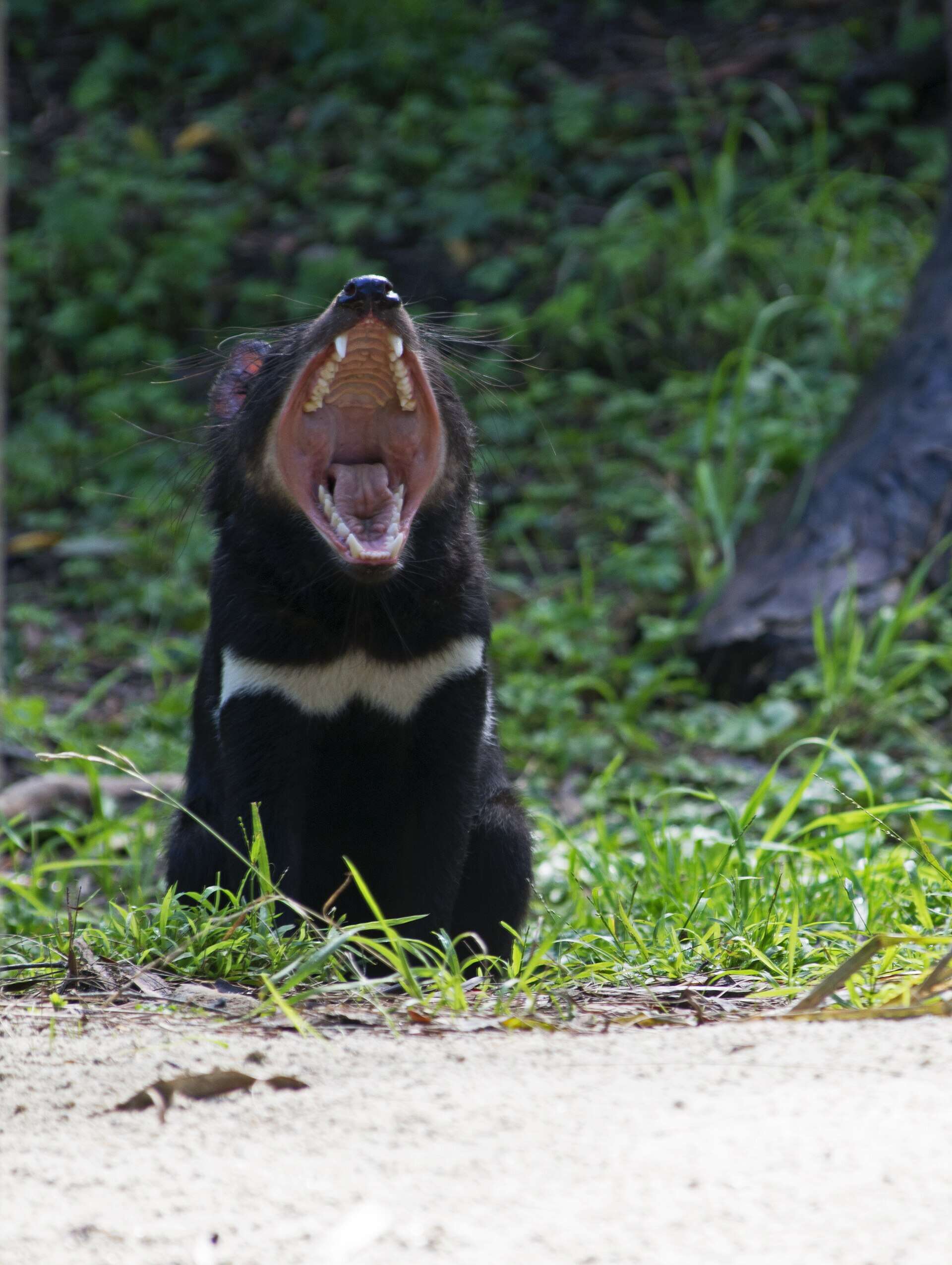
This research tracks disease evolution and helps develop effective vaccines for the devils. Genetic mapping also guides informed decisions for reintroducing captive-bred devils. Image Credits: Wikimedia Commons
Genetic mapping is the only way outSince the density of the devils in the affected regions has plummeted by more than eighty per cent due to the presence of both cancer strains, it is now necessary to adopt a different approach to combat this menace. We must have a high-resolution map of the changing genetics of the Tasmanian Devil.Wildlife managers say that effective conservation depends on mapping genetic diversity. The lessons from other Australian native species show us that genetics and physical traits tell different stories. By investing in urgent genetic research, conservationists aim to achieve three vital goals. First, they must identify natural resistance. A tiny fraction of wild devils have shown signs of natural immune responses or tumour regression. Pinpointing the genetic markers responsible for this resistance could help breeders select resistant individuals.Second, researchers must track disease evolution. Just as human viruses mutate, DFT1 and DFT2 are throwing off new strains. Continuous genomic sequencing of tumour biopsies is one way to help ensure that vaccines under development remain effective over the long term.Genetic mapping is essential to make informed decisions about reintroduction. During releases of captive-bred devils into the wild, genetic sequencing helps ensure that existing natural immunity in wild populations is preserved. Without timely funding and genetic research, the Tasmanian devil could face a higher risk of extinction.