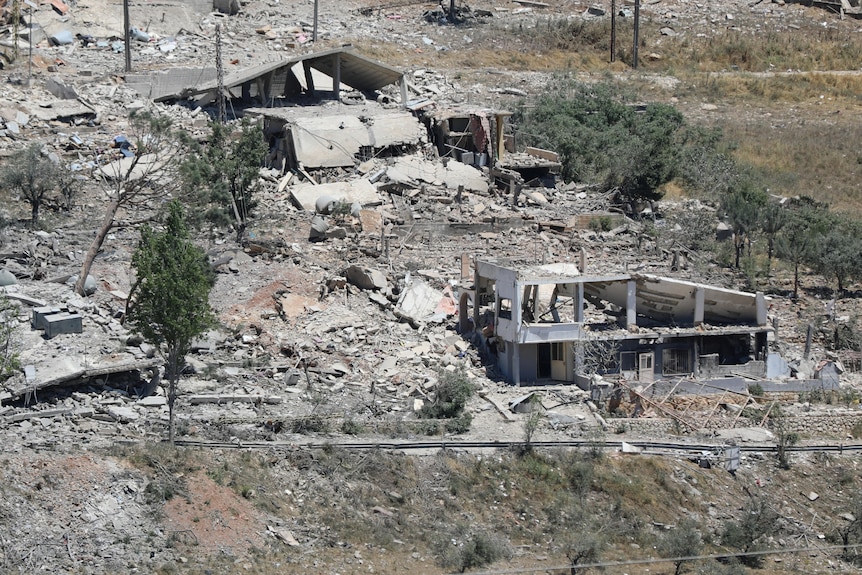








Reserve Bank governor Michele Bullock says the war in the Middle East is creating a “highly uncertain” environment that could easily contribute to even higher global and domestic inflation than anticipated.
She said the conflict’s potential impact on Australia’s economic activity was less certain, but RBA staff expect it to “weigh modestly” on growth this year.
“This would worsen the trade-off between inflation and economic activity,” she warned.
But Ms Bullock said she was not concerned about “stagflation” occurring in Australia at this point.
Stagflation is a situation where economic activity is stagnating and you’re dealing with high inflation (stagnation + inflation). It is a damaging phenomenon that can be accompanied by rising unemployment and recession and a host of other problems.
She said she also wasn’t concerned about a wage-price spiral occurring either.
A “wage-price spiral” refers to a scenario in which workers repeatedly and quickly secure higher wages as inflation keeps rising. It creates a damaging feedback loop that exacerbates inflation. It was one of the major contributors to stagflation in Australia in the 1970s.
Ms Bullock made her comments when appearing before a Senate Estimates hearing on Thursday afternoon.
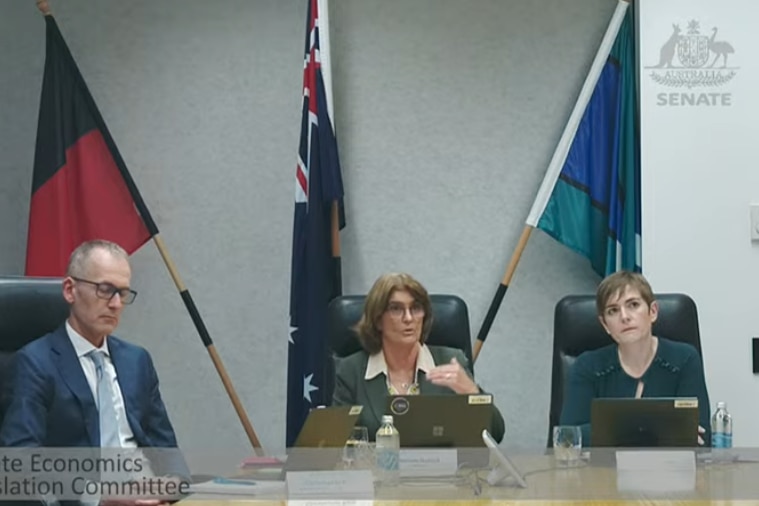
RBA governor Michele Bullock (centre) appears before today’s Senate Economics Legislation Committee. (Source: Australian Parliament House)
Lessons learned from the 1970s
In April, RBA deputy governor Andrew Hauser had told an audience in New York that there wasn’t a lot the RBA could do to stop inflation rising in the short term.
But he said the “big question” for the RBA was how the current global energy shock, and the coming wave of inflation, would impact economic activity in Australia and how it would feed into inflation over the next two to three years.
“It is a central banker’s nightmare,” Mr Hauser said.
“The stagflationary shock: inflation up, activity down. Judging the balance between those two is, I guess, how we earn our money.”
But in the Senate estimates hearing on Thursday, Ms Bullock said central banks had learned lessons from the economic problems of the 1970s and it was one of the reasons why they were so concerned about keeping people’s inflation expectations under control.
She said she did not want Australians to start expecting that inflation was going to be permanently higher, because then they’d start to behave in ways that would make their expectations of high inflation becoming a self-fulfilling prophecy.
“To the extent that the price of fuel has gone up and it stays there, that’s introduced a permanent cost increase to many industries as well, so they will put that into their prices. But there it should stop,” she said.
“If it gets into inflation expectations, it won’t stop.
“Central banks … are talking about the possibility that the second-round effects of this [higher inflation] get embedded into people’s psyche, and then you end up with inflation expectations adjusting,” she said.
Not concerned about a wage-price spiral
But Greens senator Nick McKim wanted to know how rising inflation expectations could lead to higher inflation becoming embedded in the economy when workers didn’t have the power to keep securing wage increases.
“You’re not seriously concerned about a wage price spiral here are you?” he asked.
“Workers basically have to cop whatever they can get now. They don’t have expectations of their real wages climbing anymore, because they haven’t for so long,” he said.
Ms Bullock said she wasn’t concerned about that.
“I’m not concerned about a wage price spiral, no,”
she replied.
Also in the hearing, Ms Bullock was asked how she would characterise the risk, at present, of inflationary expectations being embedded in the economy.
“I’d say the risk is low,” she replied.
“So far, longer term inflation expectations are remaining anchored around the target, around 2.5 per cent in our case, and overseas in other countries around about 2 per cent.
“So I’d say the risk is low at this point. But short-term expectations have definitely risen, and that’s to be expected.
“So it does depend on keeping those long-term inflation expectations anchored and keeping that risk low of them rising will depend on the response of central banks,” she said.