





Melbourne is the world’s most expensive city for cigarettes and beer, with Sydney following in second place, a new report has found.
The Mapping the World’s Prices report, published by Deutsche Bank, compares cost-of-living data in 69 cities across six continents, with Sydney and Melbourne being the two Australian cities included on the list.
It compared data year-on-year from 2025 to 2026, as well as changes over the last decade.
To create the report, Deutsche Bank cross-checked data from Numbeo, an online database that collates crowd-sourced information on cost of living, property prices and quality of life around the world.
The report maps out prices for expenses including rent, utility bills, mortgages, restaurant meals, gym memberships, petrol, groceries, clothing and even cappuccinos.
Here’s how Australian cities compared to the rest of the world.
World’s costliest smokes and beers
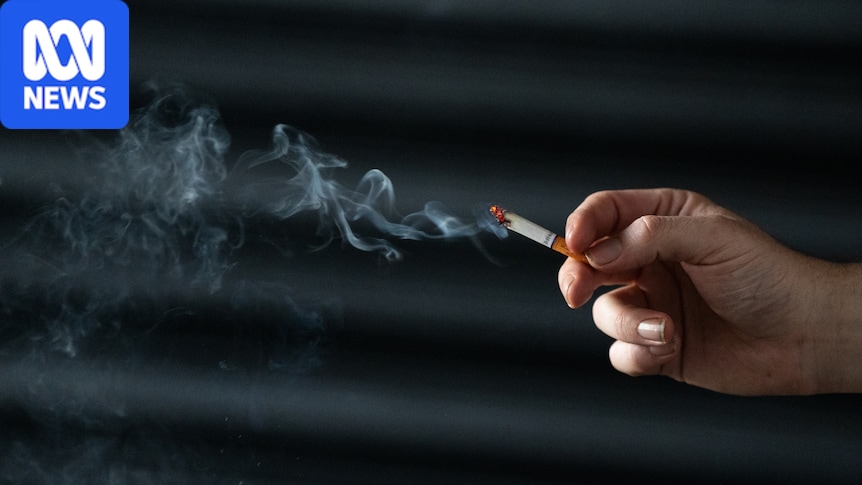
Australia’s steep sin taxes make Melbourne and Sydney the most expensive cities in the world for beers and cigarettes, the report suggests.
Melbournians are paying 89 per cent more for five beers and two packs of cigarettes than a decade ago, and Sydneysiders 82 per cent more.
The two cities also top the list for the cost of a 20-pack of cigarettes — the price in Sydney has gone up by 130 per cent in the last decade, and by 123 per cent in Melbourne.
The report found Melbourne to be the most expensive city in the world to have a domestic beer. (ABC Radio Adelaide: Malcolm Sutton)
And for those wanting to enjoy a half-litre bottle of domestic beer, Melbourne is the most expensive city in the world, with Sydney coming third after second-placed Singapore.
Sin taxes are a highly effective public health measure to deter people from smoking, says Professor Coral Gartner from the University of Queensland.
“There’s no doubt that the tax has encouraged people to quit smoking,” Dr Gartner says.
“Some of our research has found that the price of tobacco products has become the main reason that people were quitting smoking or trying to quit smoking.”
According to new survey data from the Australian Institute of Health and Welfare, fewer Australians smoke than 20 years ago.
“Australia now has some of the lowest smoking rates of any high-income country,” said Laura Hunter, CEO of the Australian Council on Smoking and Health.
“This is a remarkable public health achievement and shows what sustained, comprehensive tobacco control can achieve.”
But while only 5.6 per cent of Australians smoke, one in three of those use illicit tobacco, the survey found.
But it’s not the high prices driving the illicit trade, says Dr Gartner.
“What seems to be driving the illicit tobacco market in Australia is very much the organised crime networks and their changes in operation getting more sophisticated, getting those supply networks in place, and also there’s been this overproduction of tobacco products internationally.
“If you go and look at other countries that have a very low tobacco tax, they often have equal or even worse illicit tobacco problems.“
Public transport splurge
Sydney and Melbourne are also among the most expensive cities in the world for public transport, with Sydney in second place, just behind London, and Melbourne fourth, behind New York in third.
That is even with some cost-of-living measures in place, such as the fare freezes in New South Wales, and the halving of the maximum cost of full-fare daily travel in Victoria.
The report compares monthly public transport passes, commonly offered in cities around the world, but not in Sydney and Melbourne.
Sydney’s Opal public transport system instead functions on a weekly cap of $50 for an adult.
Sydney public transport is the secondmost expensive in the world at monthly rates. (ABC News: Berge Breiland)
On Melbourne’s myki system, passes can be bought for anywhere between 28 to 365 days with a flat daily rate of $3.42 for zones one to two at a full fare, with passes extending more than 326 days receiving up to 40 days free.
The situation is slightly better for one-way tickets — Sydney is ranked 9th most expensive, and Melbourne 11th.
Luxembourg takes the top spot with most of its public transport free, a policy that helped the city secure first place for quality of life.
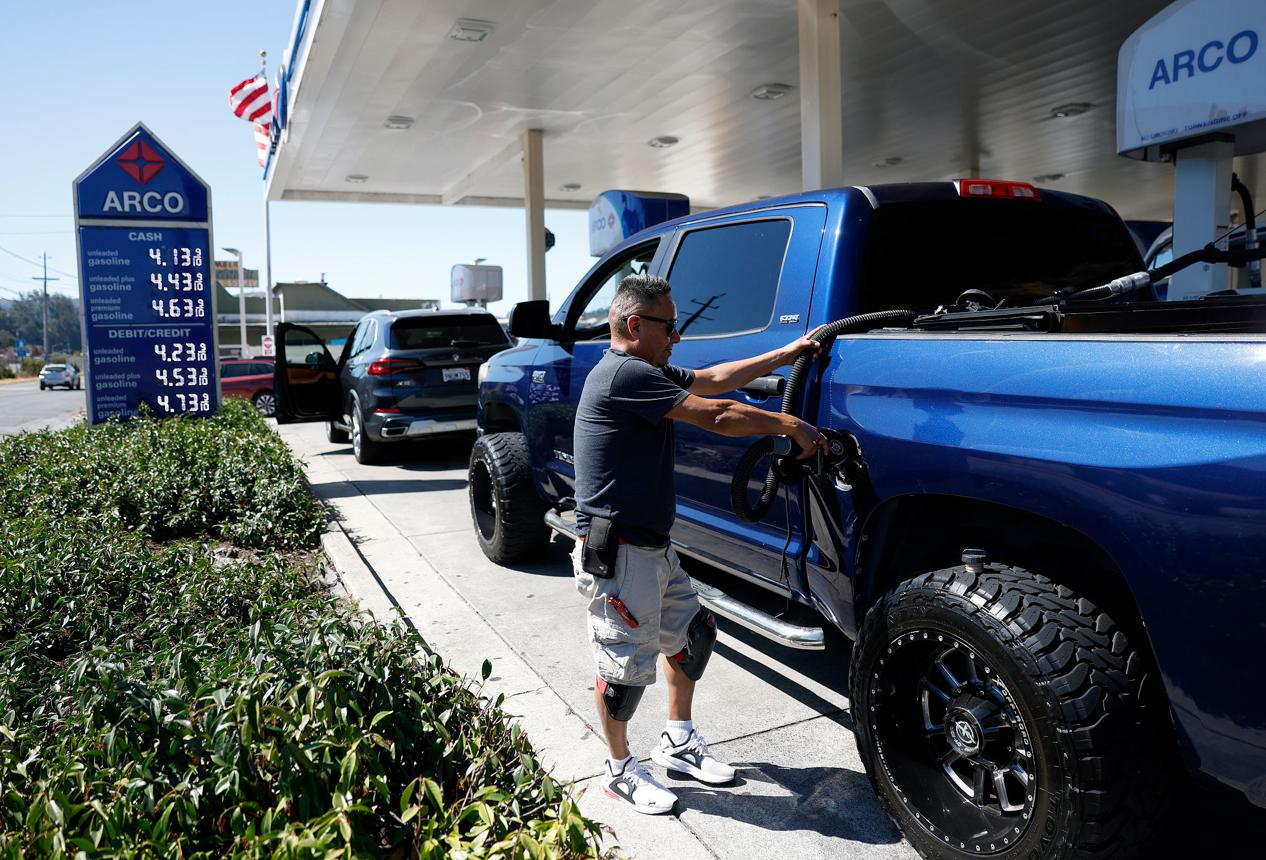
Meanwhile, Australian cities enjoy much cheaper petrol prices than many others, with Hong Kong having the most expensive litre of petrol at $US3.88 ($5.56), compared to roughly $US1.36 ($1.95) in Melbourne and $US1.33 ($1.90) in Sydney.
The cheapest petrol out of the 69 cities can be found in Cairo, where a litre goes for just 45 US cents ($0.64).
Salaries and disposable income
Zurich leads the world in monthly salaries, followed by San Francisco, Geneva, Boston and New York.
Both Sydney and Melbourne make the top 25 for salaries, with Melbourne ranking 11th and Sydney 14th on the list.
But salaries Down Under have not grown as fast as elsewhere, with Melbourne dropping to 38th in terms of cumulative net salary growth over the last decade, and Sydney to 45th.
While salary growth has been “far from spectacular”, that is not the full picture, says Ben Phillips, associate professor at the Australian National University’s Centre for Social Research and Methods.
“Our gross domestic product or incomes haven’t grown all that strongly relative to perhaps some other countries,” Mr Phillips says.
“We do have pretty low unemployment though and we have had some pretty strong growth in employment hours and employment rates.
“So whilst the hourly rate may not have increased that much, we do have a pretty strong labour market, probably stronger than some other countries around the world and we still do have high levels of income.“
When looking at disposable income after rent, Melbournians are 9th in the world, moving up three spots, while Sydney is 29th.
“Australia is relatively expensive as a place to live, but the flip side of that, of course, is that we have a very high living standard in Australia, so our incomes are also very, very high,” Mr Phillips said.