







Thirty-five children who died in Victoria were the subject of hundreds of child protection referrals, the majority of which had been closed because they were deemed to not be at significant risk.
The grim findings are contained in the Commission for Children and Young People’s (CCYP) Left Behind report, which found children were falling through the cracks in a system under overwhelming pressure.
The commission called on the Victorian government to increase funding and tailor more counselling and family violence services to children.
Family services such as parental or developmental support only met one-third of demand last year, the report said.
As part of the report, CCYP reviewed a sample of 35 children who died after being the subject of at least two referrals.
One was the subject of 28 referrals, which began when they were only six days old.
There were eight reports about each child on average, or a combined 267 referrals. The majority of these, 237, were closed at intake or investigation.
“Most reports were assessed as not being at significant risk nor requiring a statutory response from child protection and were closed,”
the report said.
But all 35 had multiple risk factors that escalated over time, the commission said, such as family violence, substance abuse and mental health.
“Multiple re-reports for all children and young people concerned suggest that reports were closed prematurely and/or the service system was unable to engage or support the family to make a consistent positive change,” the report said.
The most common causes of death were accidents such as drowning or house fires, suicide and illness.
Aboriginal children were over-represented, and 23 per cent of the 35 children had a disability or complex medical needs.
“The deaths of these children were preventable. They were seen, reported, referred, and left behind,” said Australian Childhood Foundation chief executive Janise Mitchell.
“Today’s report must be a line in the sand. Victoria cannot keep asking children and young people to survive violence, survive the system and then survive the lifelong impacts of being left behind.”
Report calls for child-specific counselling, crisis accommodation
The commission did not make any causal link between services and the 35 deaths, which is up to the coroner.
Minister for Children Lizzie Blandthorn, speaking in parliament on Thursday, said any suggestion otherwise “demonises these essential workers”.
Of all the referrals to child protection in 2025, 52 per cent of children had also been the subject of a referral in the year prior.
Three-quarters had previously been the subject of a referral at some point in their lives.
Of those referred to The Orange Door support and safety hubs last year after they did not meet the threshold for an investigation, 58 per cent did not engage or could not be reached.
“We call this the ‘refer-and-close roundabout’, because the cases of these children and young people are often closed without effective — or indeed any — intervention,” Commissioner Tracy Beaton said.
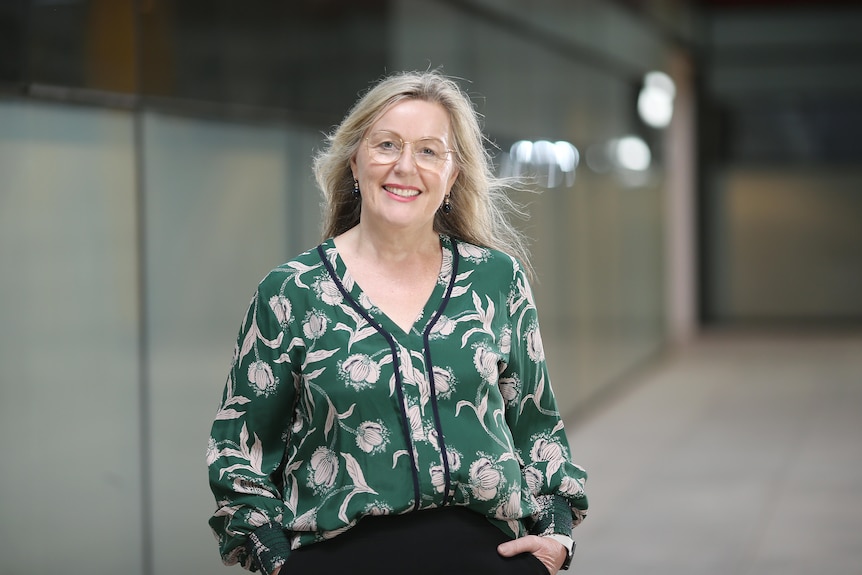
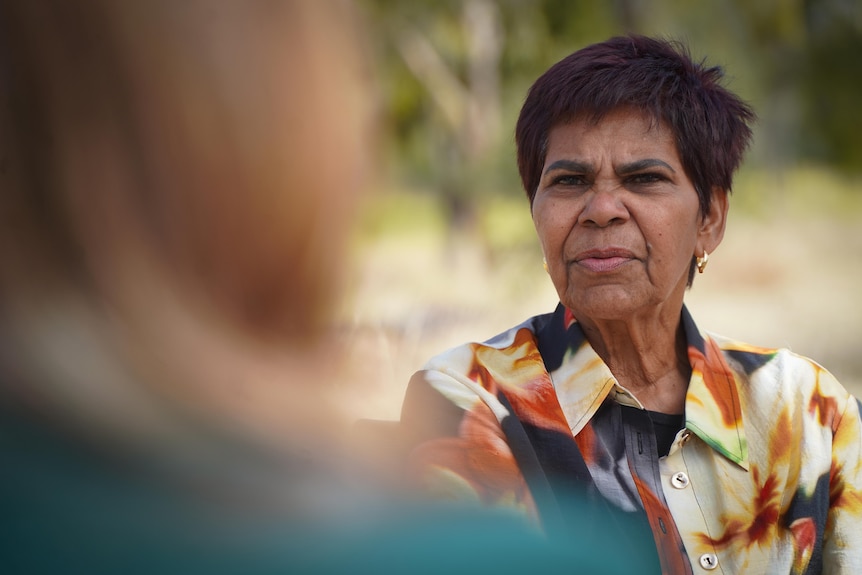
Victoria’s Commissioner for Children and Young People, Tracy Beaton, is calling for referrals to lead to better outcomes for children at risk. (Supplied: Commission for Children and Young People)
That was echoed by the Australian Childhood Foundation’s youth engagement lead Conor Pall, who said “children exposed to violence and trauma are being reported to authorities, assessed as not at significant risk, and closed out of the system”.
The report recommended establishing and funding more child-specific counselling and crisis accommodation, and strengthening referral pathways and information-sharing to monitor risks.
“‘The best way to address risk is to respond to it at the earliest opportunity, and that means through services that intervene before a child protection intervention becomes necessary. Referrals must lead to better outcomes,” Ms Beaton said.
“We’re seeing overwhelming pressure on a dedicated and hard-working child and family system.
“That undermines consistent risk assessment, leads to ineffective referrals to pressured services, and to low engagement amid long waiting lists, even when families do choose to engage.”
Ms Blandthorn on Thursday also pointed to a Victorian Auditor-General’s Office report released earlier this week, which found the rate of children in out-of-home care had fallen slightly.
It showed more children were being placed with family or close friends, and the number of children under the age of 12 in residential care had fallen.