







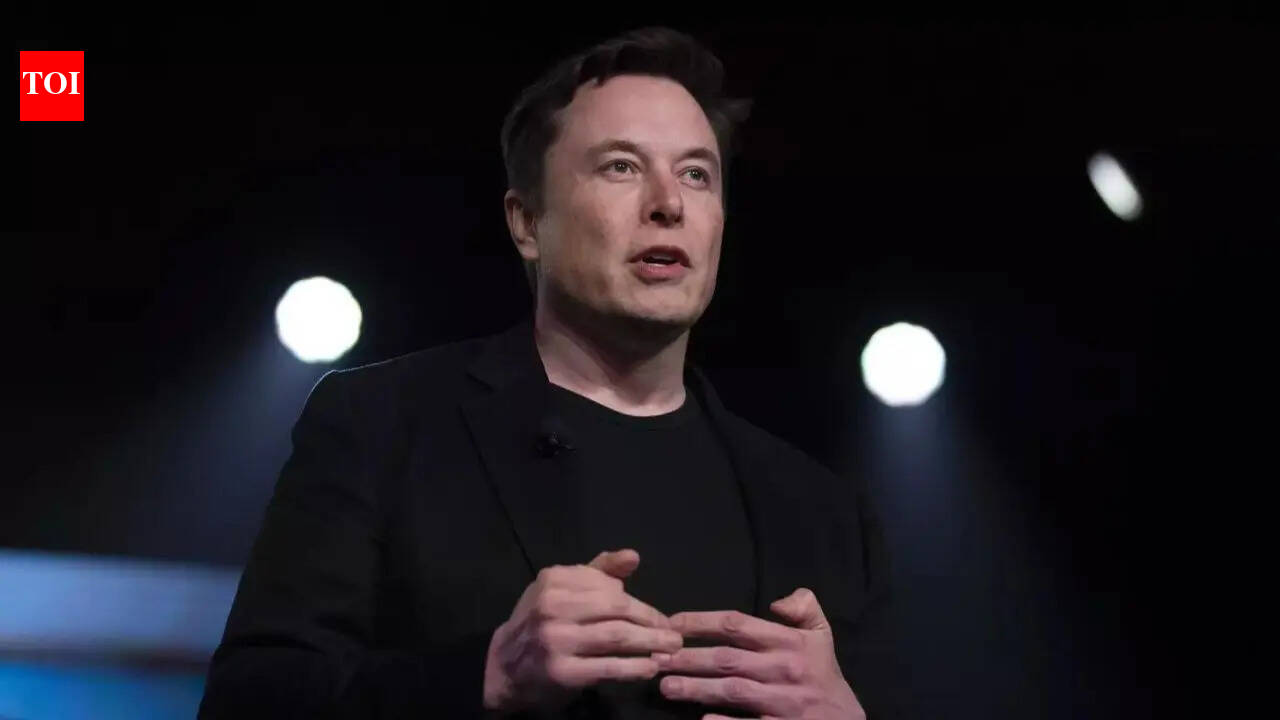
Elon Musk has built and run some of the most ambitious companies of his generation — Tesla, SpaceX, Neuralink, The Boring Company, and X, among others — often simultaneously, and often against odds that most observers considered unfavorable. Along the way, he has become one of the wealthiest people alive, yet he has repeatedly pushed back against the idea that wealth itself is the point. This quote captures that distinction directly: for Musk, the real scoreboard isn’t money, status, or acclaim. It’s output.
Quote of the day by Elon Musk
“The measure of success in my life is: How many useful things can I get done?”
What Elon Musk’s quote means
At first glance, the quote sounds like a simple productivity mantra. But it reflects something more specific about how Musk has described thinking through decisions: not just doing more, but doing more that matters. He has spoken about approaching usefulness almost mathematically — considering how many people a piece of work helps, multiplied by how much it helps each of them, arriving at something close to a “total utility” score for any given effort. Framed that way, a project that makes a small difference to millions of people can carry the same weight as one that makes an enormous difference to a handful of people.This reframes the usual markers of success — revenue, valuation, headlines — as, at best, downstream indicators rather than the actual target. A company can be profitable without doing much of lasting value, and a person can accumulate wealth or recognition without having solved anything meaningful. Musk’s formulation strips that away and asks a blunter question: at the end of the day, what did you actually get done, and did it matter to anyone beyond yourself?
Why “useful” is the operative word
The quote’s emphasis on usefulness, rather than achievement in the abstract, is deliberate. Plenty of activity can look like progress without producing anything of real value — busywork, vanity projects, effort spent defending a position rather than building something. Musk’s framing filters all of that out by tying the measure of success to contribution: work that leaves something better than it found it, for someone other than the person doing the work.This lines up with how he has talked about evaluating new products and ventures more broadly — not by asking whether something is impressive on its own terms, but by asking how much of an improvement it represents over what already exists, and how many people that improvement would actually reach. It’s a framework that rewards tangible impact over abstract ambition.
The broader lesson
Musk’s quote offers a useful corrective for anyone whose sense of accomplishment has quietly drifted toward external validation — titles, income, praise — rather than actual contribution. It doesn’t dismiss ambition; if anything, it demands more of it, since “useful things” set a higher bar than simply staying busy or getting ahead. But it relocates the finish line from how a life or career looks from the outside to a much simpler internal accounting: how much of what you did actually helped, and how many people it reached. By that measure, success isn’t a title or a number in a bank account — it’s a running tally of problems solved.