





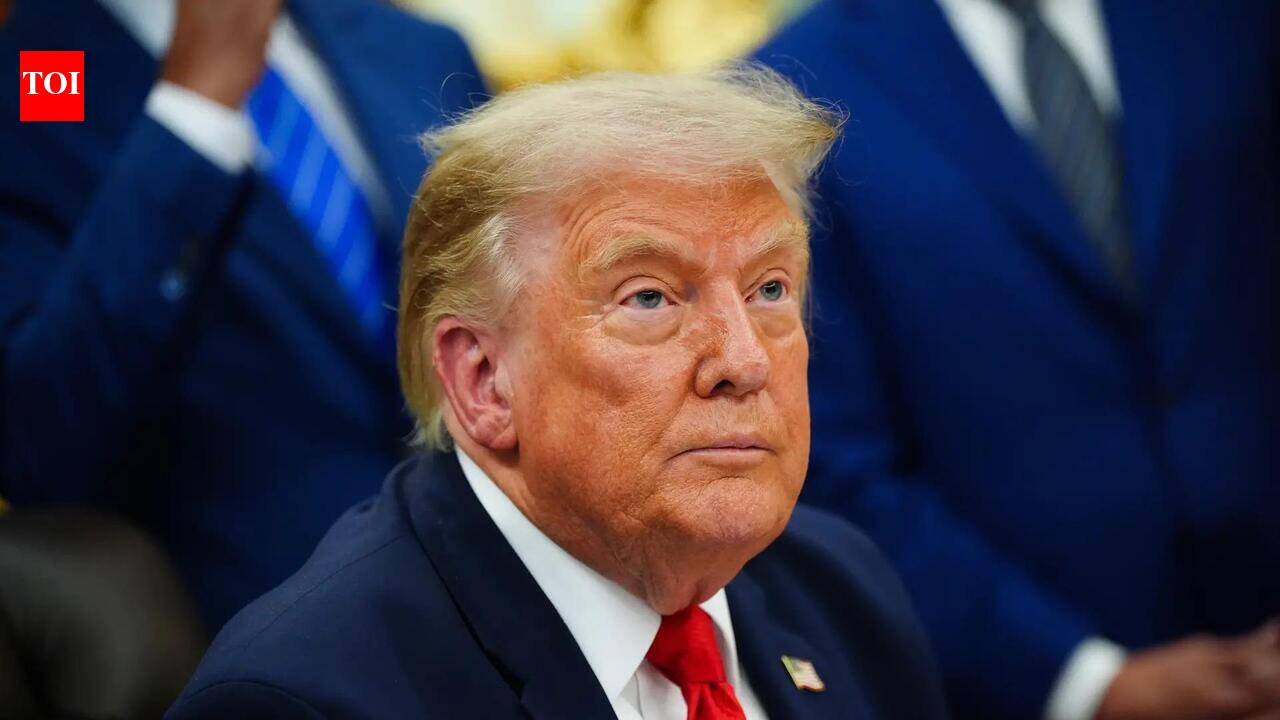
The United States has approved the release of $600 million in funding for Gavi, the global vaccine alliance, but has decided that none of the money will be routed through the World Health Organization (WHO), dealing another financial setback to the UN health agency.In a joint statement, the US Department of State and the Department of Health and Human Services said the US government would not provide funding to the WHO through Gavi.The decision follows directions issued by President Donald Trump, who asked Health and Human Services Secretary Robert F. Kennedy Jr. and secretary of state Marco Rubio to negotiate reforms with Gavi before any long-term US support is restored.Republican Senator Susan Collins, who had urged the administration to resume funding for the international immunisation programme, welcomed the move.According to the State Department, Gavi has agreed to work with its governing board and partner countries to gradually replace vaccines containing mercury with mercury-free alternatives. The latest decision continues Trump’s long-running dispute with the WHO.During his first term in 2020, Trump temporarily suspended US funding to the organisation, accusing it of mishandling the Covid-19 pandemic and amplifying what he called China’s “disinformation” about the virus. He argued that the WHO’s actions contributed to the wider spread of the outbreak.At the time, the United States was the WHO’s largest financial contributor, providing more than $400 million in 2019, which accounted for about 15 per cent of the organisation’s budget.On the first day of his second term on January 20, 2025, Trump announced that the US would withdraw from the WHO and halted American financial contributions to the agency.Health experts have said the administration’s decisions appear to be driven more by ideological considerations than by strategic public health priorities.The WHO receives funding through mandatory contributions from member states as well as voluntary donations from governments and other partners.With an annual budget of about $3.4 billion, the WHO operates on significantly fewer resources than the US Centers for Disease Control and Prevention, which received $9.3 billion in core funding in 2023.The organisation uses its funding to support vaccination campaigns and programmes to prevent and treat diseases such as polio, tuberculosis, HIV, malaria and measles, particularly in countries with limited healthcare systems.It also coordinates emergency health responses in conflict-affected regions, including Gaza, Sudan and the Democratic Republic of the Congo, among others.