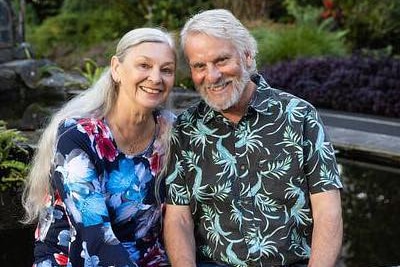





Dark Emu author Bruce Pascoe is the living embodiment of practising what you preach. He used the proceeds of his award-winning 2014 book to purchase an idyllic stretch of farmland on the Wallagaraugh River, where he tested his theories.
The best-selling book refutes the colonial myth, used to justify the slaughter of terra nullius, that Aboriginal and Torres Strait Islander people were hunter-gatherers.
Instead, it argues they were sophisticated farmers.
A metaphorical storm followed Dark Emu’s publication, with loud voices in the media, parliament and academia howling down Pascoe’s thesis.
The furore placed enormous pressure on his family, straining his relationship with his wife, Lyn Harwood, whilst also attacking his ancestry.
“White people are far more interested in Aboriginal genealogy than Aboriginal people are,” Pascoe sighs.
“We don’t ask Irishmen to do a blood test before they have a beer on St Patrick’s Day, but they insist on measuring our underpants. And it’s really frustrating.”
Straight to junk
We’re joined by filmmaker Grace McKenzie as we talk about Sydney Film Festival (SFF) highlight, Yumburra, her lyrical, verité-style documentary that traces Pascoe’s establishment of the farm of the same name.
A slow-cinema treasure, it’s full of nature’s gifts.
“I really wanted to show the wildlife, and the connection to Country that Bruce has,” McKenzie says.
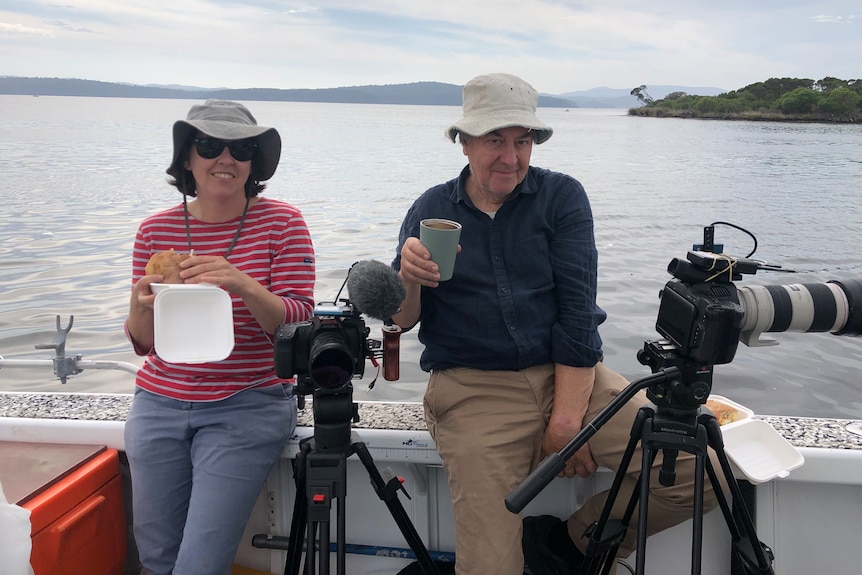
Grace McKenzie visited Bruce Pascoe on the farm around 30 times over seven years. (Supplied)
Yumburra, the Yuin word for black duck, also details the creation of First Nations-run business Black Duck Foods, an organic producer using the ancient techniques outlined in Dark Emu.
“Back in 2018, I came across the book, and there was a little blurb that said he was trialling growing old grains at the farm,” McKenzie recalls.
“So I emailed him and asked, ‘Could I maybe come and see about making a film?'”
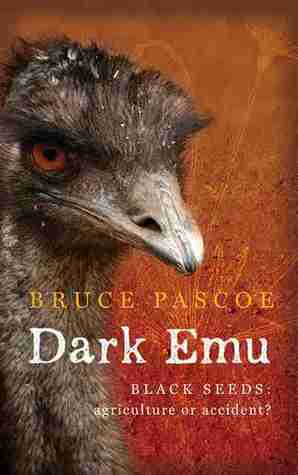
Bruce Pascoe’s book Dark Emu, arguing Aboriginal people were sophisticated farmers, was controversial. (Supplied: Goodreads)
Given all the hullabaloo, Pascoe’s initial response to McKenzie’s email popping into his inbox wasn’t all that surprising:
“Delete,” he reveals, wryly.
“I was snowed under and was feeling oppressed.”
Pascoe jokes that it took seven years for him to change his mind, noting that many curveballs were flung in the ensuing years. Not least the Black Summer bushfires of 2019-20 and the small matter of a global pandemic.
“Circumstances took over,” he says. “That and the far-right newspapers having a field day.”
A tenacious McKenzie’s pitch was strong.
She fielded her previous bucolically-inclined documentaries, Audrey of the Alps (2012) and the Georgian village-shot In the Land of Wolves (2018) as her calling card.
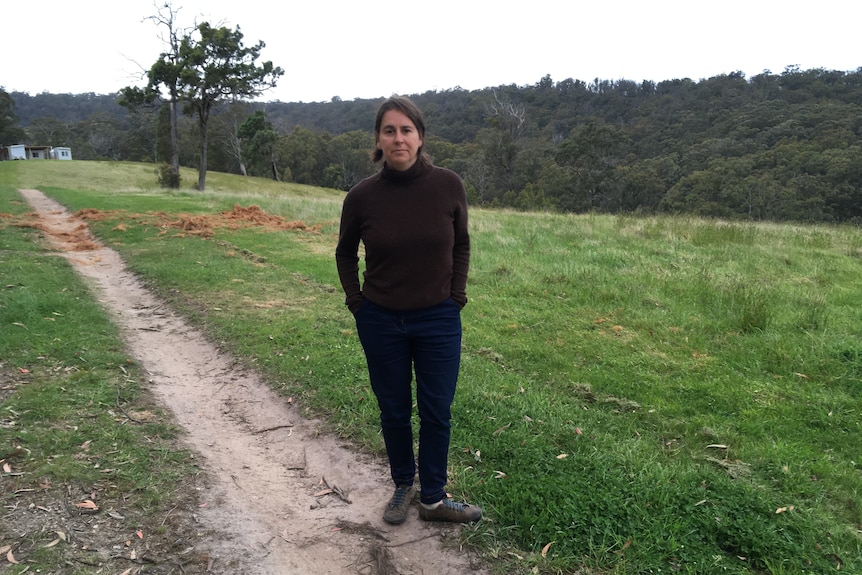
Grace McKenzie has created a slow-cinema treasure. (Supplied)
“Grace sent me a couple of her atmospheric films about farms, with a lot of clinking milk buckets and old hands operating machinery,” Pascoe says.
“So I thought, yeah, I can fit in there.”
Camera-shy
McKenzie clocked around 30 visits to the farm over seven years, inspired by Pascoe’s dedication to the cause and his unique insights.
“He said to me, pretty early on, ‘I’m not a farmer, I’m a writer.’ So I was just trying to unravel his story and was mesmerised by the landscape.”
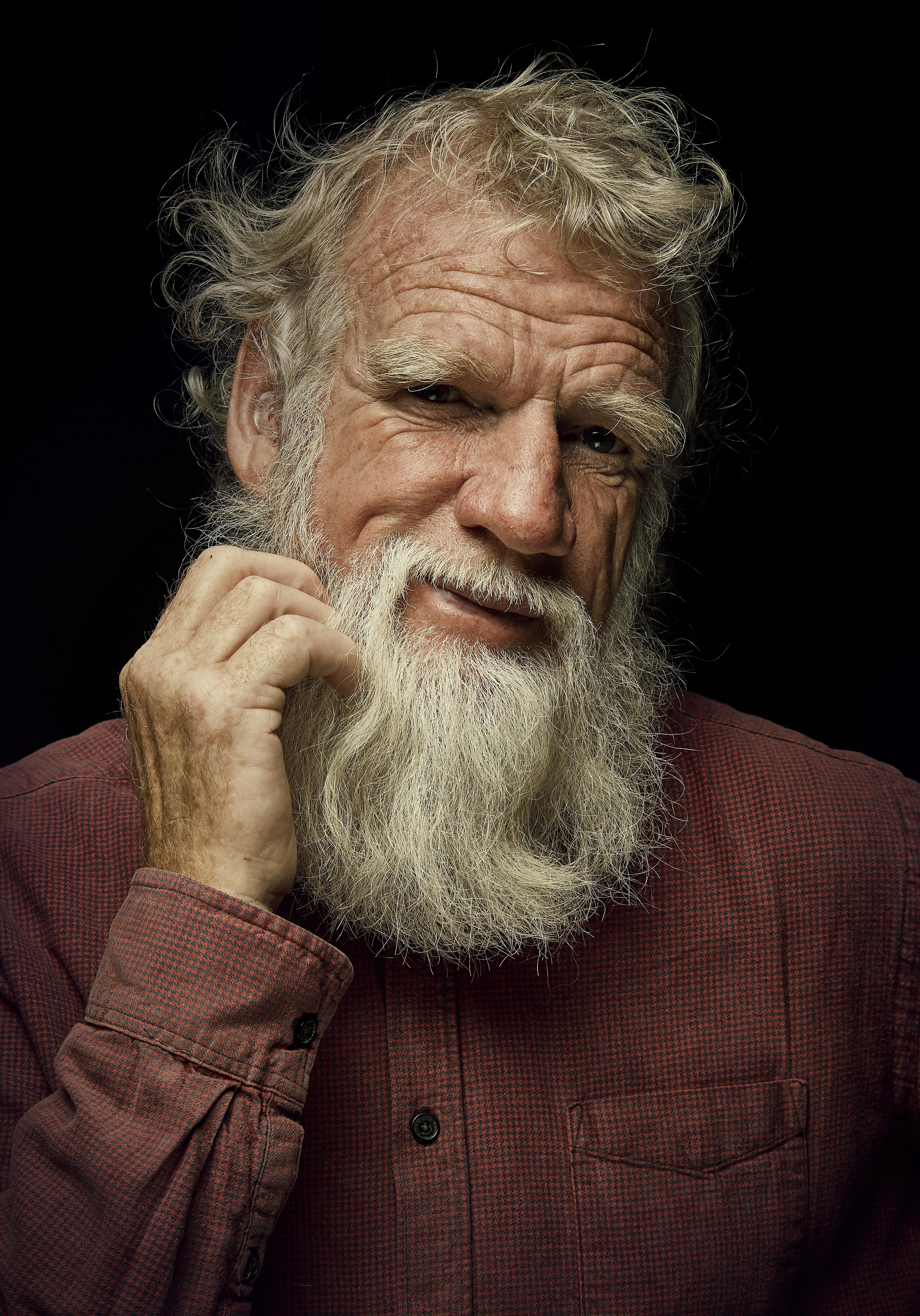
Bruce Pascoe was wary of the camera at times. (Supplied: Madman Entertainment)
Not that it all went according to plan.
“Bruce is six and a half hours’ drive away from me, and a lot of stuff happened while I wasn’t there,” McKenzie adds.
“It’s hard to capture life as it happens, and so there’s a lot of waiting around, hoping that something will.”
In the meantime, Pascoe had a farm to run.
“We had to replace all the fences and were building accommodation units,” he recalls.
“There was always stuff happening, including really important cultural stuff that we were negotiating, so we didn’t always have the time for Grace.”
That, and Pascoe’s ongoing wariness.
“Aboriginal people don’t like having cameras pointed at them,” he says.
“There’s 230 years of suspicion associated with that, and it’s understandable that some people don’t drop their guard at all.”
Thankfully, Pascoe did.
“Grace’s good nature kept me involved.”
Truth-telling
When McKenzie first visited Yumburra, her daughter was three months old. Now that the film’s about to debut at the State Library of NSW during SFF, her daughter is seven.
She’s overjoyed to finally release the film into the wild.
“I’m really excited to share it with audiences, but I’m also a bit nervous.”
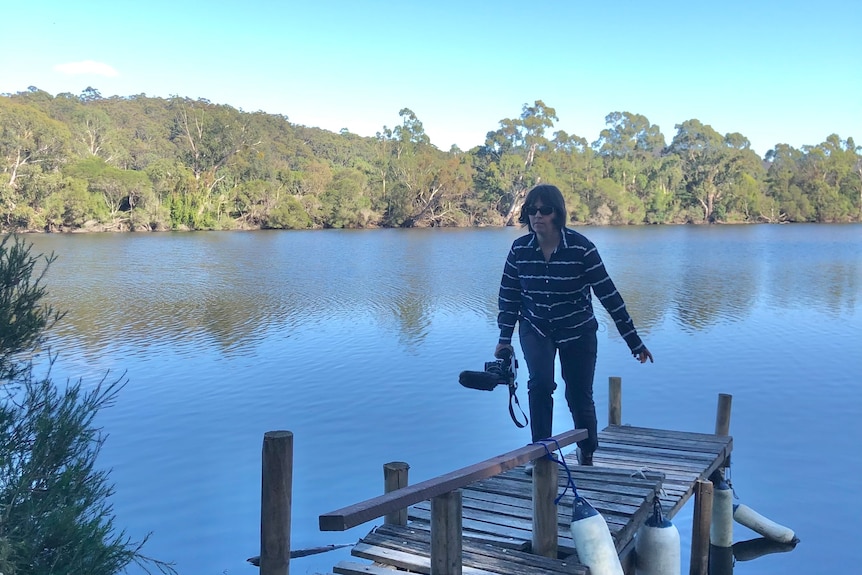
Grace McKenzie was mesmerised by the landscape at Pascoe’s farm. (Supplied)
Pascoe is now convinced the documentary is a great opportunity to get the message out.
“Not just about the food and regenerative, sustainable farming, but also for the Aboriginal community,” Pascoe says.
“We can do this. We can design a business based on cultural values and be successful.“
Not that it was easy.
“Money was always short, but we’ve got to the point, in the last six months, where we’ve transferred the farm to the local Aboriginal community, which was always my ambition,” Pascoe says.
He’s happy to take a step back.
“I’m seven years older than when the film started, and at the end of your life, seven years is a long time,” he says.
“I’m not as physically capable anymore, so I’m happy to be circumspect with my energies. You do start looking at the finishing line and that tape wavering in the breeze. It’s a different part of life. There are a lot of thorns in it, but there are also a lot of grace notes.”
McKenzie helped capture some of them, the highs beyond the lows.
“She was asking the questions Australians want answered,” Pascoe says.
“Aboriginal people are sick of answering them, but we need to do this as a country.
“It’s bloody obvious that we need to have this truth-telling. Yumburra’s part of that.”
Yumburra is screening at the Sydney Film Festival.