







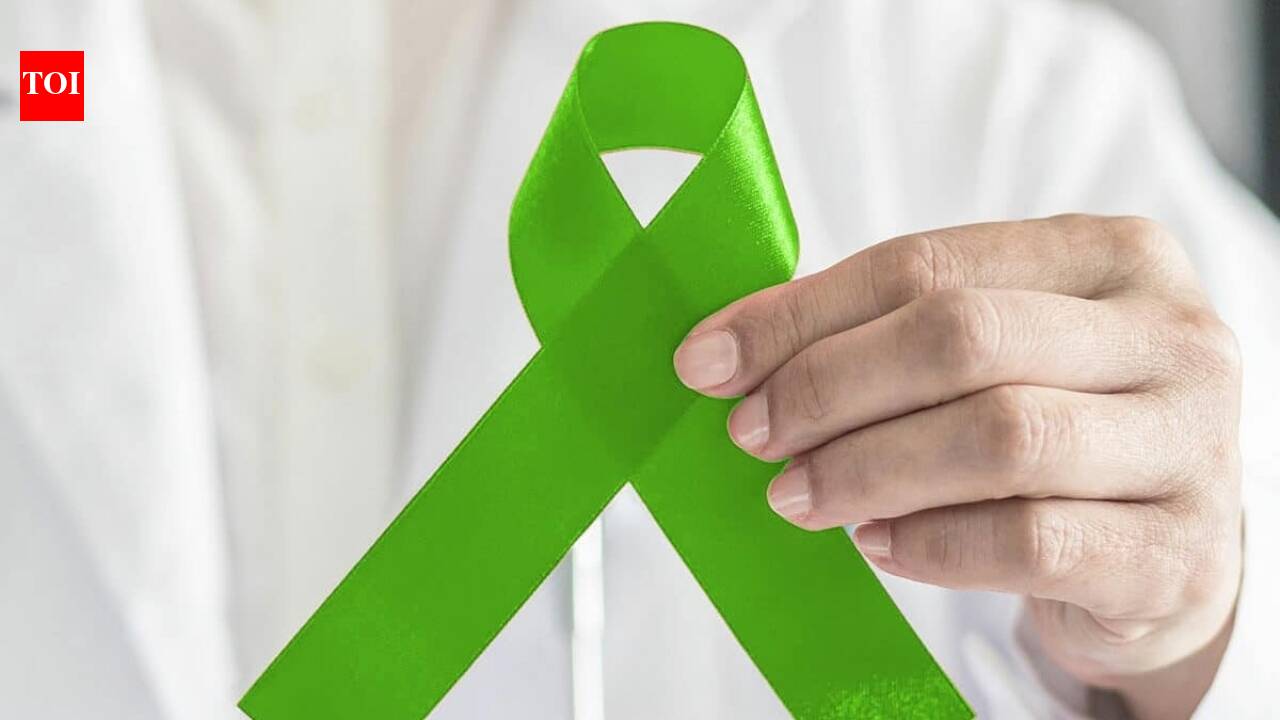
Every year, on August 3, the world observes CLOVES Syndrome Awareness Day, drawing attention to a rare genetic disorder that some people still haven’t heard about. For families touched by CLOVES syndrome, getting the right diagnosis can feel like running a marathon: slow, full of confusing detours, and emotionally exhausting. The symptoms often mimic those of other overgrowth disorders, so young kids can easily be misdiagnosed or fly under the radar for years. But here’s the thing: spotting the signs early totally changes the game. Kids get care sooner and, hopefully, sidestep some of the toughest complications.Now, for the unversed, CLOVES syndrome is more than just a skin condition. It hits several body systems, from bones and fatty tissue to blood vessels, internal organs, and beyond. Right now, there’s no cure, but in the past decade, better genetic research and targeted treatments have reshaped how specialists see the disorder. Raising awareness isn’t just a formality. It’s about connecting families to genetic testing, bringing in all kinds of medical experts, and making sure kids get help that actually makes a difference. As scientists dig deeper, awareness work keeps driving better outcomes, pushing for earlier recognition, and reminding everyone these rare conditions can’t just be ignored.
What exactly is CLOVES syndrome?
It’s an ultra-rare congenital genetic disorder falling under the PIK3CA-Related Overgrowth Spectrum (PROS). CLOVES itself is an acronym for a bunch of the disorder’s signature features: Congenital (present at birth), Lipomatous overgrowth (meaning odd growth of fatty tissue), Overgrowth in different parts, Vascular malformations (abnormal blood and lymph vessels), Epidermal nevi (raised skin lesions), and Skeletal or spinal anomalies like scoliosis or limb differences. Doctors only classified it as a unique syndrome back in 2007 after realizing it’s caused by random mutations in the PIK3CA gene: a gene that helps regulate how cells grow. Unlike inherited genetic disorders, the mutation triggers spontaneously in early fetal development. So, parents aren’t passing it down.
What are the signs of CLOVES syndrome?
Part of what makes CLOVES so tricky is that its symptoms overlap with other rare disorders like Proteus syndrome and Klippel-Trénaunay syndrome. It’s pretty common for kids to get diagnosed with limb overgrowth, vascular birthmarks, or fatty tumors before anyone connects the dots and considers CLOVES syndrome. The rarity means a lot of doctors might never see a case in their careers, which is why getting geneticists and specialists involved is critical.Early signs of this disease show up in babies, often right from birth. One of the biggest red flags? A soft, fatty mass somewhere on the back, belly, or side. Some kids have bigger hands, feet, or limbs; others might sport odd birthmarks thanks to abnormal blood vessel growth. Things doctors look for include uneven body growth, oversized fingers or toes, wide gaps between digits, capillary, venous, or lymphatic malformations, wart-like skin patches, spinal curvature, tethered spinal cord, and unusual bone and joint development. Symptoms really do run the gamut. Some kids barely need medical intervention, while others face multiple surgeries and years of specialist care.
Risk factor and diagnosis
When it comes to risk factors, CLOVES is an outlier. No inherited triggers, no connection to parental lifestyle, environment, or diet. It’s a random somatic mutation in the embryo, which means that it’s up to pure chance.Moreover, diagnosing CLOVES is mostly detective work. Doctors start with a full exam and medical history. Imaging (think MRI or CT scans) helps spot tissue or vascular malformations. Genetic testing confirms the PIK3CA mutation and rules out similar disorders. Diagnosis almost always involves a team: geneticists, pediatricians, vascular experts, orthopedists, dermatologists, and sometimes neurologists.
Can it be cured?
Right now, there’s no cure. Treatment focuses on symptom management and preventing bigger problems. Surgery can reduce tissue overgrowth, vascular treatments handle abnormal vessels, orthopedics work on skeletal issues, and pain management plus physiotherapy are vital. Over the past few years, new targeted treatments like alpelisib (originally developed for cancer) are helping block the overactive PI3K pathway in CLOVES, which can actually shrink overgrowth and relieve symptoms. They’re not for everyone, but they represent hope and real progress.
What about prevention, then?
Unfortunately, CLOVES can’t be prevented either. The mutation happens randomly long before anyone realizes it. Instead, getting an early diagnosis, consistent monitoring, and jumping on complications quickly can make life a lot easier, reducing pain, protecting mobility, and heading off severe organ or spinal issues.
Why awareness is important
Since CLOVES syndrome has no cure and prevention is out of bounds, too, awareness makes all the difference. Because there are so few documented cases, families often spend years searching for explanations. Delayed recognition leads to postponed treatment, unnecessary procedures, and a mountain of stress. CLOVES Syndrome Awareness Day exists to speed up those timelines, champion research, make sure every kid finds the right care team, and remind doctors that rare diseases matter, even if they only see one in a lifetime.