







The impacts of a data centre can vary greatly depending on the specifics of the particular project, speakers at a public meeting in Brooks told attendees this week.
But with little more than a name — Newell Data Centre — known about a megaproject proposed near their community, many attendees left with unanswered questions.
“Everybody understands the challenges that a major project like this would bring to a community, but also we want to sort of identify some of the opportunities as well,” said organizer Mitchell Iwaasa with the City of Brooks and County of Newell joint economic development office.
“This is a first step. It’s not the end of it.”
The goal of the meeting — held as a public portion of a larger conference for municipal and industry officials from across the province — was to get a baseline conversation started in Brooks, Iwaasa said.
The issue has simmered locally for more than a year as other major proposals face opposition and questions from Alberta residents in Olds, Rocky View County and Grande Prairie.
Last April, the Newell Data Centre first appeared on a list of proposed data centres published by the Alberta Electric System Operator. It does not release any information about applicants, the AESO wrote in an email to CBC News.
With a stated capacity of 1,200 megawatts of computing power, it is one of the largest proposed in Alberta.

Confidentiality was also cited by the Eastern Irrigation District, which has an initial sales contract to sell two sections of land, equal to about 500 hectares, to the project’s unnamed developer.
That report — from the Brooks Bulletin newspaper, and also confirmed by CBC News — appeared the day of the meeting and drove attendance up from the 60 who had pre-registered to more than 120.
Resident Judy King came looking to hear more about the company behind the proposal but left unimpressed by the more general discussion.
“I came for information, but didn’t get any,” she told CBC News. “One of my concerns is the power and the water. And they didn’t say a hell of a lot about either one.”
Several attendees told CBC News they object to the increasing use of artificial intelligence in business and everyday life.

“I don’t want to be deceived, and I don’t know why we’re pursuing AI,” said Heather Smith. “We heard all the pluses, but we didn’t hear any of the cons.”
Brooks resident Dennis Houston said he wanted to learn more about modern data centres. He retired from a career in the telecom industry years ago, and said current concerns are being amplified by opponents.
“They [just say] ‘I heard, or my buddy told me,’ or they go on Facebook and see some report … it’s all misinformation, and there are people genuinely concerned [who are] passing it on,” said Houston.
“In time … [data centres] will be a benefit to the town.”
Speakers included project managers, infrastructure consultants, and municipal officials. They generally discussed water and power use, employment and taxation benefits, as well as heat and noise created from large-scale computer banks housed in massive buildings.
Power, land make southern Alberta attractive
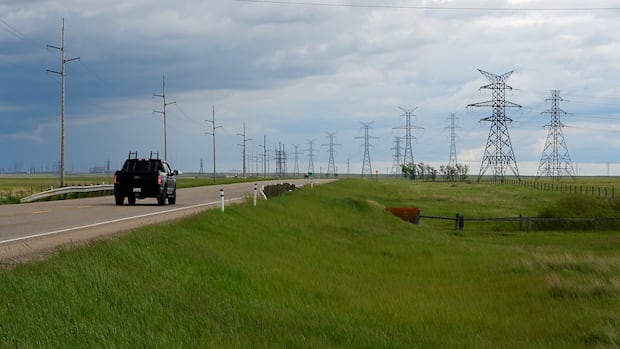
They said Brooks — located 190 kilometres east of Calgary, and at the intersection of two major lines of the Alberta power grid — was well supplied with electricity. Water usage can vary greatly depending on the final design, from large amounts to little at all depending on the technology involved.

Data centres have long been under-the-radar for many Canadians, but that’s about to change as bigger projects come online — driving up concerns about the land, water and energy they consume. And Alberta may see the biggest impact with available energy, streamlined regulations and open arms by the government.
Presenter Strahan McCarten is a vice president with eStruxture, which operates two data centres in Alberta and is building a third.
His company is not behind the Newell Data project, he told the crowd, but added that “concerned citizens should engage with a developer.”
“Data centres have been around for a very, very long time, and there was never any fuss because they were relatively small,” he said after the meeting. “As they get larger and larger, people become increasingly concerned.
“It’s pretty typical when an industry is moving really, really quickly — faster than the public’s understanding of what’s going on.”
City, county updating land use rules
This month the City of Brooks added data centres to its land use bylaw, restricting them to industrial areas and requiring utility servicing, sound abatement and fire response plans before any application is considered.
Newell County council is expected to debate similar measures this spring, said Reeve Arno Doerksen, who attended the session.
“We don’t have any formal applications at this point,” said Doerksen, who felt the meeting was positive.
“Everybody’s using the technology, but I think there’s uncertainty about what this actually entails.”