


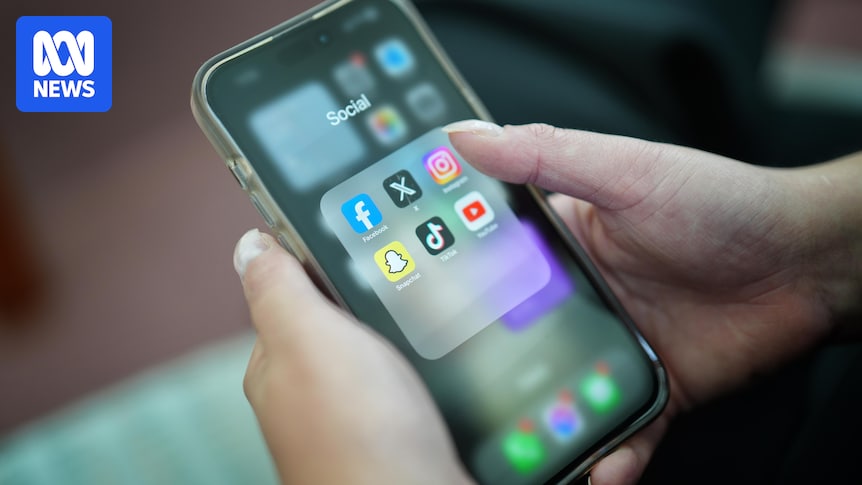
The “cesspool” of anti-Jewish material on social media is set to be examined when the antisemitism royal commission resumes this week.
More than 20,000 submissions have been made to the Royal Commission on Antisemitism and Social Cohesion, which mostly sat in secret last month due to national security and legal concerns.
Evidence heard behind closed doors included information about the conduct of intelligence and policing agencies before the Bondi Beach terrorist attack on December 14, 2025.
Public hearings will now resume, with the inquiry to focus on the prevalence of antisemitism across social media platforms and traditional media sources.
Traditional media under scrutiny
The hearings will also examine the nature of antisemitism in public media organisations, and how those organisations identify and address the issue.
A number of witnesses have criticised the coverage of the Israel-Gaza war by mainstream media outlets during the inquiry.
Former editor in chief of The Age newspaper Michael Gawenda claimed some outlets, including the ABC, “minimised antisemitism” in their reporting after the start of the war in October 2023.
Michael Gawenda gave evidence to the royal commission. (ABC News: Liam Patrick)
Jewish Australian Léa Levy said she witnessed “one-sided” coverage by the ABC “every single morning” on television in the aftermath of Israel’s attack on Gaza.
“They never talk about Israelis’ pain and it’s very difficult to avoid,” she told the royal commission.
The ABC made a submission to the inquiry, but it has not made it public.
The ABC’s submission to the royal commission is not yet public. (ABC News: Keana Naughton)
A spokesperson for the broadcaster said the ABC recognised “the importance of the royal commission and will continue to engage constructively”.
An SBS spokesperson said the media outlet had also made a submission.
“As a public service media organisation, SBS provides accurate, balanced and impartial coverage across a range of matters, including antisemitism and social cohesion, in accordance with the SBS Code of Practice and in fulfilment of its Charter,” the spokesperson said.
Both organisations were required to comply with the National Archives of Australia’s disposal freeze notice preventing the destruction of records related to antisemitism and social cohesion.
Social media ‘demonising’ Jews
As part of its terms of reference, the royal commission will examine whether existing policies are effective in preventing and responding to online hate.
It will also assess the effectiveness of cooperation and information sharing between law enforcement, regulatory agencies and social media platforms in combating offensive content.
The inquiry has already heard extensive testimony about the impact of antisemitic statements and images online, with one anonymous Sydney mother telling the royal commission that social media had “gone a long way to demonising Jews”.
Dina is voicing her concerns about antisemitism across social media. (ABC News: Liam Patrick)
Sydney mother Dina said she was concerned “antisemitism has been allowed to grow and express itself without repercussion online”.
“I see social media as an unregulated cesspool of disinformation where any person with any number of followers can say whatever they want,” she wrote in her submission to the inquiry.
“The volume of anti-Jewish and anti-Zionist material online must have an impact on public opinion.
“I believe this material is contributing to the harms being faced by Jewish Australians.”
A number of witnesses reported an increase in targeted online harassment after giving evidence to the inquiry, prompting Royal Commissioner Virginia Bell to issue a harsh warning.
“Quite what this undiluted level of hatred and bigotry directed towards members of the Jewish community is thought to benefit by those who post these remarks is lost on me,” she said in May.
“But the commission has as one of its principal objects understanding and assessing the lived experience of antisemitism by members of the Jewish community, and it is being informed by conduct of this character.”
Commissioner Bell was critical of those who had made antisemitic comments online. (REUTERS: Hollie Adams)
The Dor Foundation conducted an analysis of 1,000 of the offensive social media posts, which included AI-generated images depicting victims of antisemitism as animals.
After the third hearing block, Commissioner Bell and inquiry staff will travel to Perth, Adelaide and Brisbane to meet with Jewish communities and multicultural organisations.
Further hearings have been scheduled in Melbourne between July 13 and 24, with further details yet to be announced.
A final report and recommendations are due by the 12-month anniversary of the terror attack.