




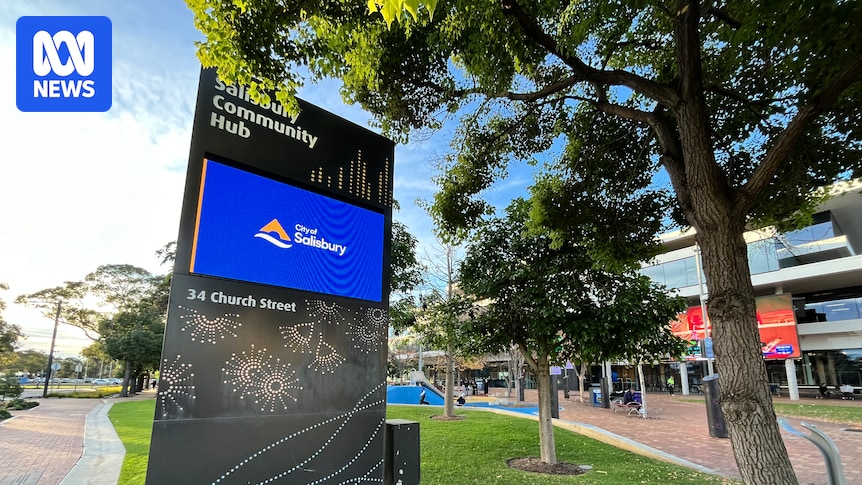
The state government has passed legislation to delay South Australia’s council elections until April 2027, after the Electoral Commission raised “very serious concerns” about its ability to administer the poll in November.
The change will also see subsequent local government elections held in November 2031, 2035, and 2039 — separate to state election years — in a move the local government sector hopes will boost turnout for council elections.
Despite opposition from the Liberal Party and One Nation, the five-month election delay passed the upper house on Thursday with the support of the Greens and Family First MLC Sarah Game.
Voting for the next council election will now close on April 7, 2027, rather than November 11, 2026.
The government’s push to delay the council election followed a request from Acting Electoral Commissioner Leah McLay, who feared some of the issues that plagued the March state election would be repeated in November.
Leah McLay previously called for the council elections to be delayed. (ABC News: Lincoln Rothall)
The Electoral Commission’s handling of the March poll is already subject to an independent review, which is examining issues including long queues, technical glitches and understaffing on polling day, as well as the discovery of uncounted ballots weeks after the election.
Local Government Minister Rhiannon Pearce told parliament earlier this month that “some very serious concerns” were raised by Ms McLay regarding the commission’s ability to run the council election.
“There are concerns about the ability to recruit staff required for the periodic elections, in light of the levels of frustration, fatigue and uncertainty that have arisen from the 2026 elections and the independent review,” Ms Pearce said.
Rhiannon Pearce says there are concerns about staff recruitment for the periodic elections. (ABC News: Che Chorley)
Greens MLC Robert Simms said a five-month extension was “fairly reasonable” to ensure the next council elections run “as smoothly as possible”.
“But I do acknowledge deferring elections should only occur in the most extreme circumstances,” Mr Simms said on Thursday.
“The Greens formed the view that we could not simply sit back and oppose this legislation … and force the Electoral Commission into a situation where it is progressing with an election and then there’s a series of problems … and a cloud is cast over that election.”
The local government sector has previously flagged that this year’s election delay will cause some issues for councils, as some councillors have already flagged their intention to leave office in November.
One Nation MLC Rebecca Hewett said newly elected councillors would also be making budget decisions for the next financial year “almost immediately” upon taking office.
“New members need to be sworn in, inducted, briefed and properly informed,” she said.
“They should not be placed in the position where in weeks they must make complex decisions about rates, services, capital works and long-term priorities, without adequate preparation.”
Ben Hood says delaying an election should only occur when “no reasonable alternative exists”. (ABC News: Che Chorley)
Liberal MLC Ben Hood said communities elected mayors and councillors on a fixed four-year term with the expectation they can renew or change that mandate “at a known point in time in future”.
“Altering that arrangement should only occur when there is compelling evidence that no reasonable alternative exists,” he said.
Mr Hood said while the Electoral Commission’s concerns should be taken seriously, parliament “has an obligation to ask why are we only confronting these issues now”.
“Democracy should never be delayed simply because the administration has decided it’s just become a little bit too difficult,” he said.
Family First MLC Sarah Game said it was a “shame that we’ve come to this”.
“However, if we cannot guarantee that elections will be run with the highest level of integrity, then I unhappily agree that we should wait until the ECSA can give us that guarantee,” she said.
“If we plough ahead with electoral processes we know are full of holes then we are setting ourselves up for failure and risk creating an even greater sense of distrust in the democratic system.”
A spokesperson for the Electoral Commission welcomed the passage of the legislation.
“We are concentrating on preparing for the elections as well as considering any recommendations emerging from the ongoing independent external review into the 2026 state election by former federal commissioner Mr Tom Rogers AO,” the spokesperson said.