







Television productions run to a meticulous schedule, but what happens when the planned build for a renovation show creeps from 12 months to two years to, well… a seemingly never-ending project?
Brooke Bayvel, the supervising executive producer for Restoration Australia, says making a show such as theirs presents a “huge gamble” for this very reason.
“One of our [Grand Designs Australia] houses was seven years in the making, and I think we all went a bit grey worrying it might never finish,” she says.
While producers might be losing sleep over long-delayed projects, Bayvel says there’s risk and goodwill on both sides of the camera as homeowners grapple with the scale of their projects.
While not quite at the seven-year mark, this season of Restoration Australia features one project that’s still incomplete five years after its restoration began.
It’s a former convent that Rachel Hunt purchased in regional NSW in 2021, with an ambitious dream to transform it into a home on the cheap.
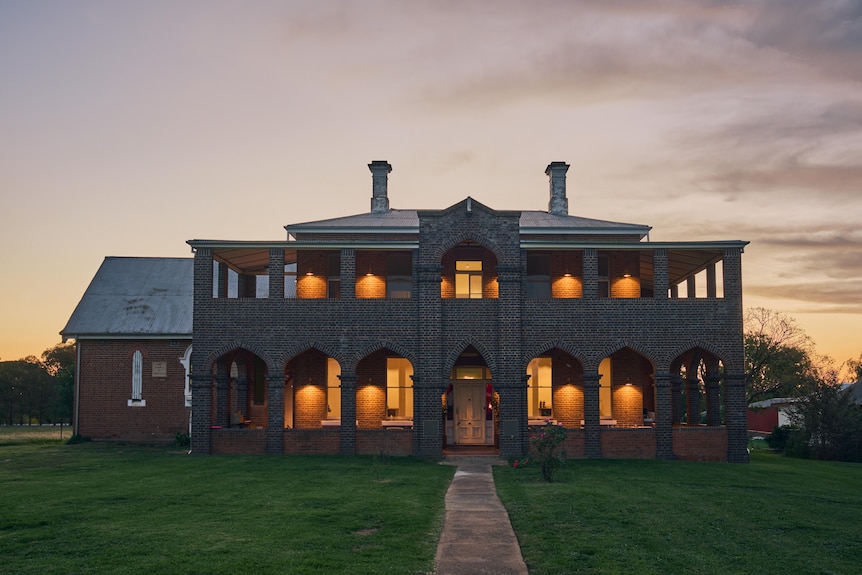
Rachel had hopes to open an event space in the property’s former chapel. (ABC/Eureka Productions: Sally Griffiths)
The fashion industry fabric manager from Sydney bought the Boorowa property for $625,000 with the intention of making a quieter life for herself.
“My vision was maybe a hundred acres, just me out in the country with a cottage. I thought I’d get a pony, maybe eventually some highland cows because they look really cute, some chickens, and have my own eggs,” she says.
“Have a little country life, and now I’ve got a convent.”
She gave herself 10 months to complete the first phase, which included updating some key rooms. Five years on, after finding love and having a baby, lots of the building sits unfinished.
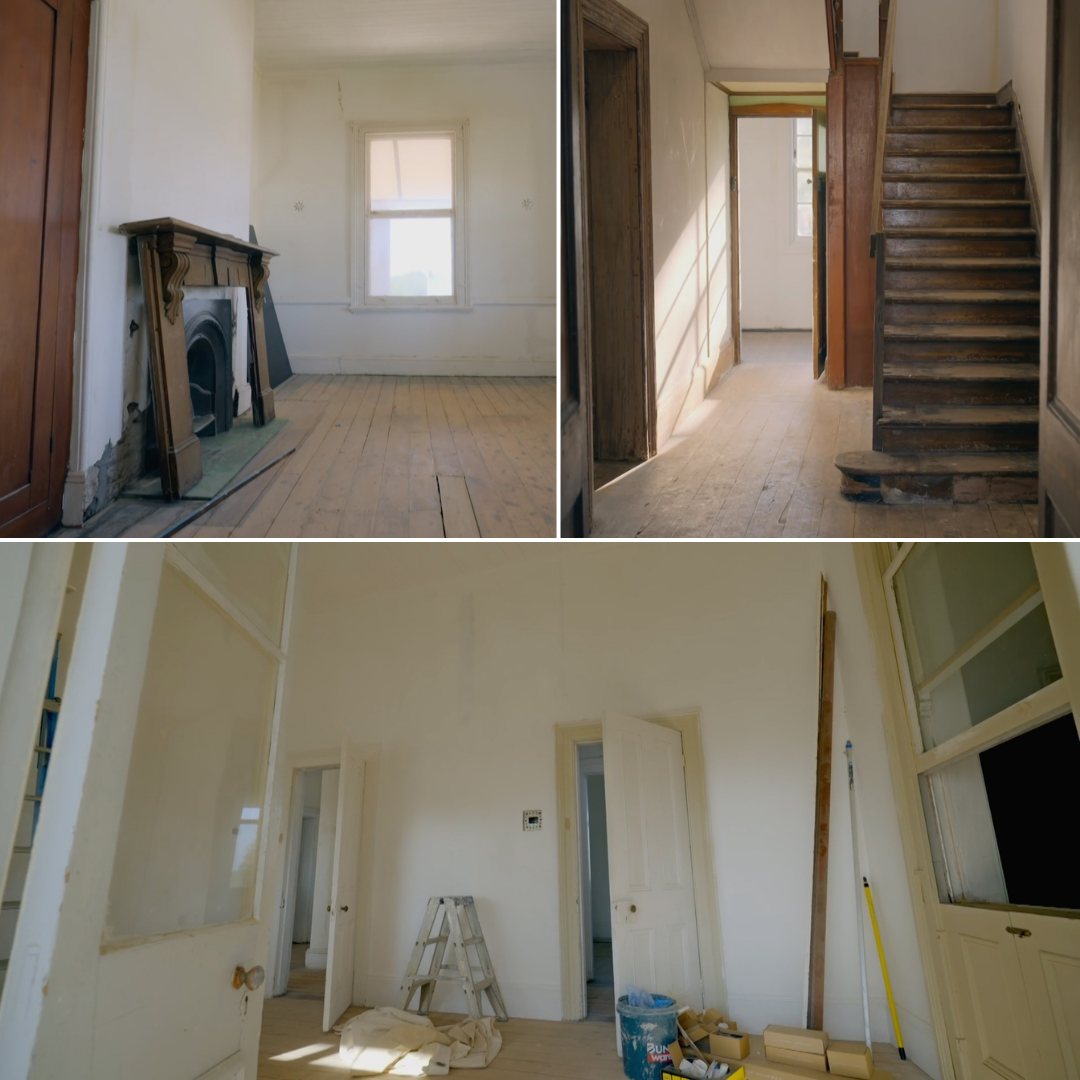
Many upstairs rooms remain a construction zone. (ABC/Eureka Productions)
Love is one of the better reasons for a project to stall, but plans can go awry for a range of reasons, particularly when overly ambitious home owners are involved.
One of the most notable cases of over-commitment featured on an episode of the UK’s Grand Designs when Edward Short purchased a lighthouse in Devon, England, and spent 12 years renovating it.
Loading…
Dubbed the show’s “saddest ever” property, the home owner went millions of pounds over budget, and his marriage broke down.
Throughout the build, Edward struggled to secure additional loans to fund the swelling project.
According to Grand Designs Magazine, the Lighthouse was listed for sale in 2024 for £5.25 million and sold last year at a loss after multiple failed attempts to sell it for as much as £10 million.
Producers on watch for red flags
Bayvel says finding the right projects for the Restoration Australia is “one of the toughest jobs of the whole process”.
“We’ve got a great casting team who can pick the tyre kickers a mile away,” she says.
“If they don’t have the money, the skills, or a clear plan, that’s a red flag. If they’re not passionate or really invested in what they’re restoring, the result will likely be pretty uninspiring.“
It’s because of this groundwork that Bayvel says most projects make it to air.
“Over the years, there have been one or two houses that have been dropped early in the process, usually due to the restoration work being downgraded due to budget constraints, or the home owners having a change of personal circumstance.”
But this is pretty rare considering the rigorous casting process, she says.
“Once those cameras are rolling, we’re buckled in and along for the ride.“
Renovation timeline blowouts have long been a design show staple.
But Restoration Australia host Anthony Burke says it’s getting worse.
“We did some numbers a couple of years ago now, and it was something like 85 per cent of the projects we follow don’t come in on time,” he says.
“We’re finding with Restoration Australia, with Grand Designs Australia, and with Grand Designs Transformations, basically, all the projects are really at the mercy of an incredibly volatile external environment.”
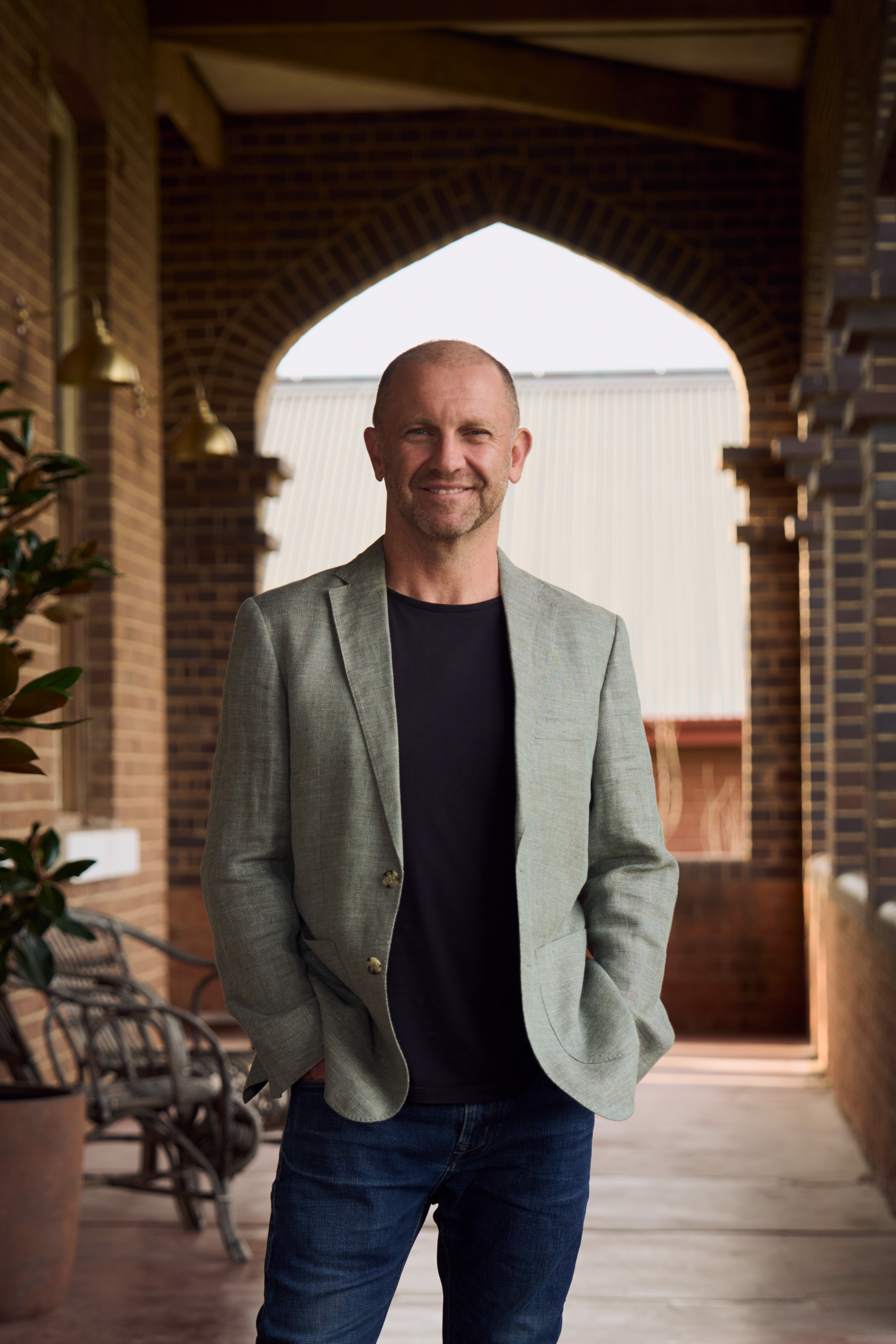
Anthony Burke says projects rarely stick to timelines and budgets. (Eureka Productions: Sally Griffiths)
Burke says home owners are facing a perfect storm with the rapidly rising cost of trades and materials, which is currently being further exacerbated by war in the Middle East.
“If it’s not that, it’ll be bushfires or a really bad summer flood,” he says.
“These are things that home owners just have no control over.”
With five years under his belt as host, Burke says he generally has an idea of whether a project is going to make their self-imposed deadline by his second site visit.
“I’ll go back, and sometimes it’s just a hole in the ground. Other times, the framing might be up.”
In many restoration projects, home owners don’t know what they’ll find beneath the surface when they start peeling back a property’s layers.
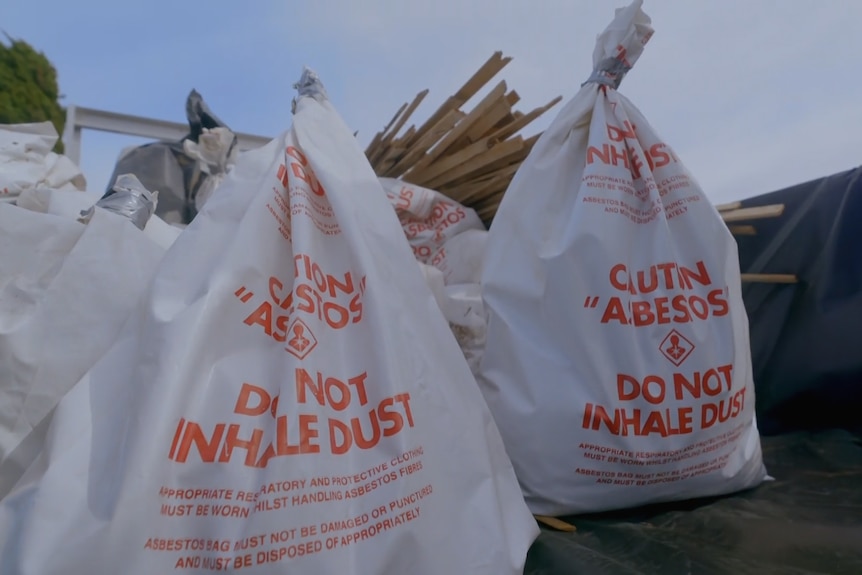
Fixing up old properties carries the risk of discovering unknown issues. (ABC/Eureka Productions)
For empty-nesters Jane Marchment and Neil Gibbs, it was asbestos in the roof space that proved costly and caused delays at their sprawling bluestone estate in regional Victoria.
Coming in two years and more than $600,000 over budget, the couple admit they underestimated how remote the property was and struggled to find local trades.
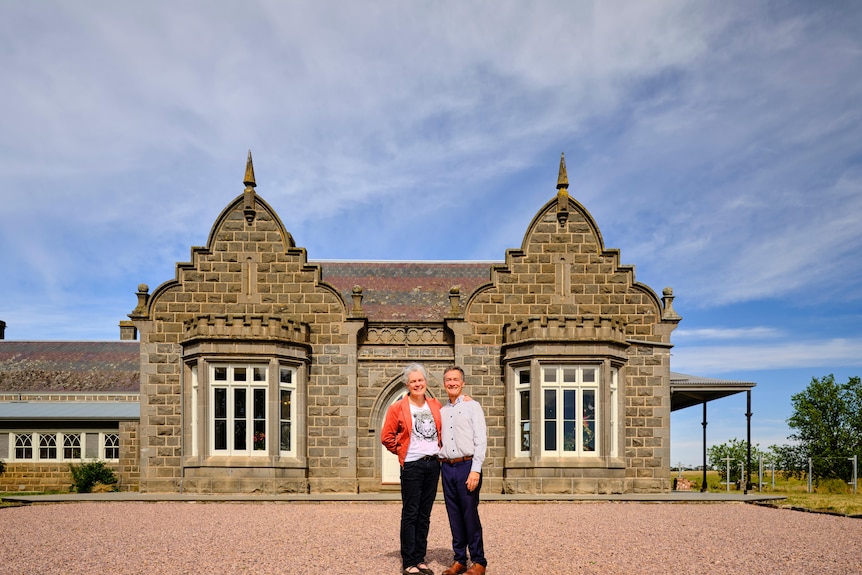
Despite construction support from their children, Jane and Neil’s Berrambool estate required skilled trades. (ABC/Eureka Productions: Dean Bradley)
Audiences along for the ride
Riding the highs and lows is part of the job for Burke, but he says he’s always inspired by the courage and ambition of the people he meets, despite projects not always going to plan.
“Rachel’s a great example of a moment where we had to go, do we keep following this, or do we bring the episode to a close here for now, maybe come and revisit in five years time?”
In Rachel’s case, life got in the way when she formed a connection with local electrician Tom Hall while he was working to rewire the convent.
They now share a daughter, Josie.
“We joke a lot, it’ll be Josie’s, and she’ll have to finish it. Or we joke, maybe we’ll be done by the time she starts school,” Rachel says.
She’d always planned to tackle the grand restoration in stages, but what she didn’t expect was for the first block of work to blow out by years.
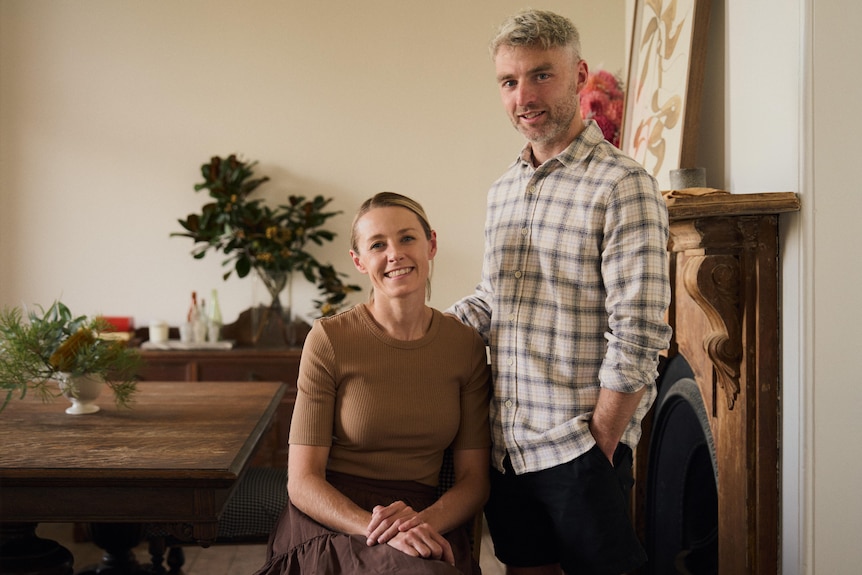
Rachel and Tom are now working on the project together. (ABC/Eureka Productions: Sally Griffiths)
This first phase included a kitchen makeover, a dining room and sitting room, and reconfiguring some downstairs spaces.
Upstairs, the focus of the first phase was the bedroom spaces, a bathroom, and new windows.
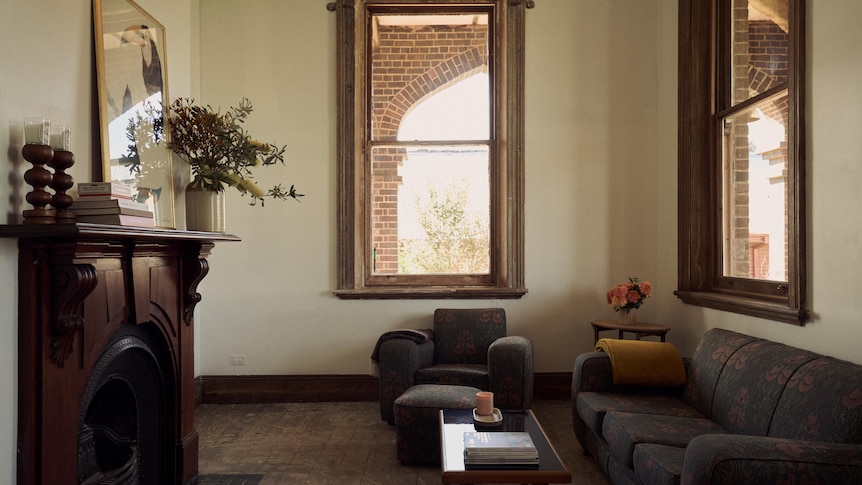
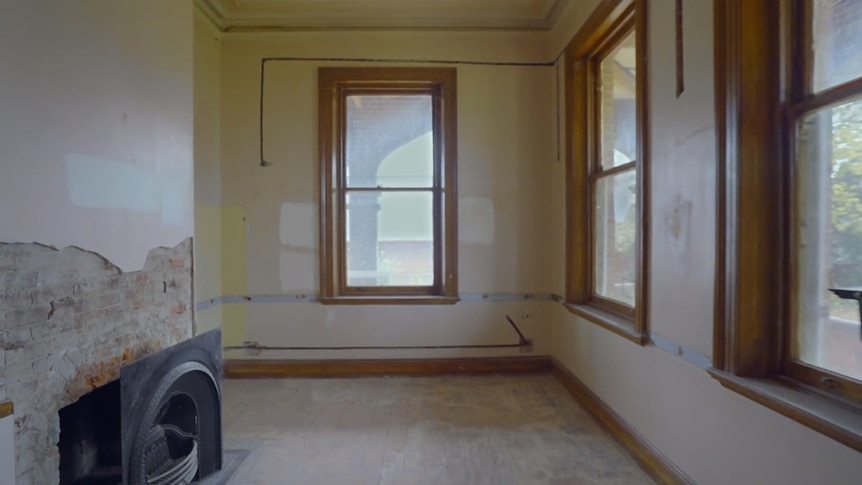
Realistically, Rachel and Tom are looking at another five years before they complete the house.
“We don’t want to be doing it forever, but we know there are certain stages that have to get done. The bathroom and kitchen are done, so it’s livable, and we’ve got those comfortable areas now. We look at it in stages of things we want to do, the heating, some carpet and fixing the verandah upstairs.”
A modest budget of $200,000 has also increased over time.
“We’re nearly at $300,000 with what I had and then with what Tom’s put into it, and we’ve just been slowly putting into it over the last few years.”
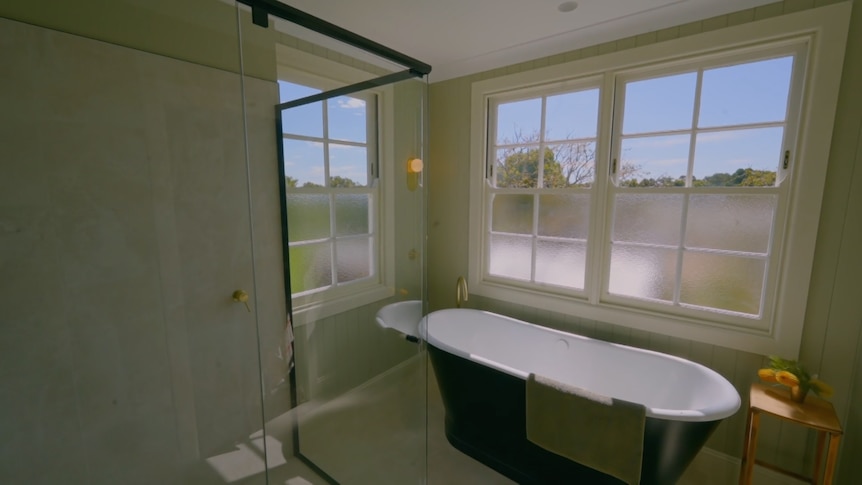
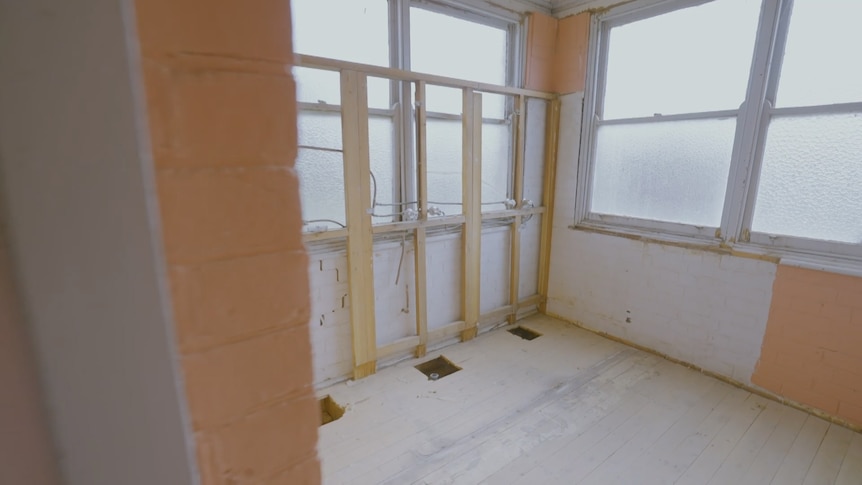
Despite the creeping costs and the years of hard work ahead, Rachel has no regrets.
“If I didn’t buy it, I wouldn’t have Tom or Josie, so there’s a lot to be grateful for,” she says.
“Even the days when you’re sanding and scraping and shivering away because there’s no heating and it’s cold and everything’s expensive. Yeah, it’s still been such an adventure.”
Stream the new season of Restoration Australia free on ABC iview or watch Thursdays at 8pm on ABC TV.