





Two women accused of vandalising RSLs and spraypainting offensive slogans have been granted suppression orders, after the pair received death threats and abuse online.
Magistrate Michael Wighton banned “any image or likeness” of the accused vandals, Charlie Tidmarsh and Edith Pope, being published until 12 months after their cases are finalised.
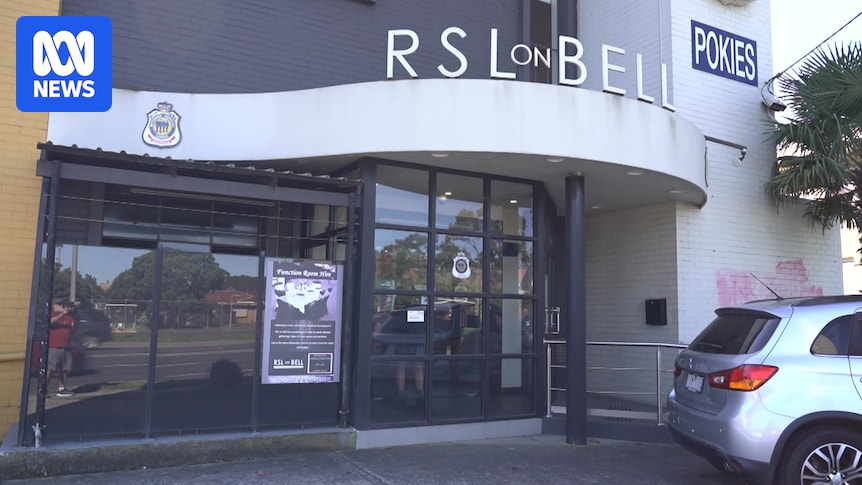
Ms Tidmarsh and Ms Pope are charged with criminal damage, graffiti offences and grossly offensive conduct after allegedly defacing the Reservoir and Heidelberg RSLs on Anzac Day.
Slogans scrawled on the exterior walls included “F*** the Anzacs”, “Kill the troops” and “Gallipoli — Do it again!!”.
The graffiti was discovered on Anzac Day this year. (ABC News)
The pair are fighting the charges, the Heidelberg Magistrates’ Court heard today, meaning the suppression could remain in place for years if the case goes to a full hearing and appeals take place.
Ms Tidmarsh and Ms Pope turned up to court shielding themselves with umbrellas and covering their faces with masks.
Inside, their lawyers applied for a suppression order banning their images being published on safety grounds.
Magistrate Wighton said the accused had received “extensive threats” from people online.
“A large number of those posts are abusive in nature and call for various forms of retribution, including public floggings, lynching, imprisonment, shaming, and outing them to an employer,” he said.
“Just today … one person posted, ‘One shot would fix their attitude’.”
The court has been told the women accused of vandalising the RSL buildings have received threats. (ABC News)
The magistrate said some media outlets had published “inflammatory editorial content” that could “increase the level of public anger towards the accused”.
Magistrate Wighton said he was satisfied there would be a significant safety risk to the women if their images were published during the case and a period afterwards.
“The type of threats that have been made thus far are large in number and serious in nature,” he said.
The photo ban applies nationwide.
The state’s Open Courts Act dictates that suppression orders can be granted to protect the safety of “any person”.
The act also states suppressions should only be made if deemed “necessary”, taking into account the specific circumstances of a case.
Media outlets rarely challenge suppressions designed to protect the identities of victims or children.
However, suppressions granted to accused people on safety grounds have been a contentious issue in recent years.
In some instances, the gag orders have extended to a blanket ban on the reporting of cases, or have resulted in the media being unable to name people before the courts.