






Townsville City Council has raised household rates, which it has blamed on inflation and fuel price hikes.
Minimum general rates across all categories, including residential and commercial, are up by 7.2 per cent.
The council increased its rate-in-the-dollar charge — the amount of money payable per dollar of the land valuation — by 7.2 per cent.
For 2,300 households, the rate increase will be larger than the minimum 7.2 per cent, but those rate hikes will not exceed a 20 per cent increase due to a cap.
The council said the average residential ratepayer, with a valuation of $216,000, who paid $1,956 in rates last year, will pay $2,097 in the 2026–27 financial year.
Townsville Mayor Nick Dametto commended the council on the 2026–27 budget. (ABC News: Chloe Chomicki)
The rate rise outpaces the national annual rate of inflation which was 4.2 per cent in April.
Townsville Mayor Nick Dametto said the household and commercial rate increases were required due to rising fuel costs, inflation and supply chain pressures.
Councillor Dametto said the average owner-occupier would see a 6.8 per cent increase, amounting to an additional $5.48 per week.
“This rate rise, being a larger rate rise than probably expected, is lower than what other councils have delivered,” he said.
The Gold Coast council delivered an average general rate increase of 4.7 per cent, and on the Sunshine Coast, the charge was increased by 11 per cent.
“Without efficiencies and savings, we were looking down the barrel of an 11 per cent rate rise, so I need to thank our staff,” the Townsville mayor said.
The council said it found $16 million in savings by reducing its vehicle fleet and reviewing procurement procedures.
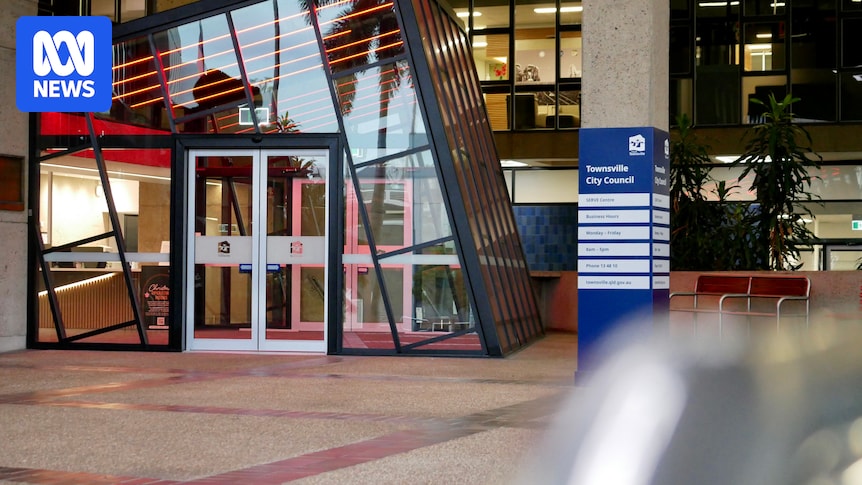
Townsville City Council will deliver its 2026-27 budget tomorrow. (ABC North Qld: Chloe Chomicki)
Increase follows 2025 hike
Last year, residential rates increased by as much as 20 per cent for some households, while others saw a reduction.
Minimum commercial rates increased by 50 per cent.
The council attributed those hikes to significant land value increases across Townsville by the Queensland Valuer-General.
The largest capital expense for the council in the 2026–27 budget is roads and transport management, followed by the Lansdown Eco-Industrial Precinct, which will cost $70 million in ratepayer funds this financial year.
The precinct, still under construction, is planned to be an environmentally sustainable industrial hub occupied by renewable companies.
The council said it expected to reach an operational surplus of about $100,000 in the 2026–27 financial year.
In a new initiative, Townsville households can soon choose to use two tip vouchers or call a kerbside collection pick-up for waste disposal.