






The concept of a mansion tax — premium property owners paying additional tax — has been rolled out overseas to varying degrees of success.
Now, amid some of the most drastic proposed changes to Australia’s tax system in decades and years of skyrocketing home values, one leading expert says it is an idea “worth considering”.
Bulimba, nestled on the inner-city stretches of the Brisbane River, is a sought-after suburb with the property price tag to match.
With a median house price north of $2.3 million, residents in the leafy riverfront neighbourhood would likely have to cough up in the event a mansion tax is implemented.
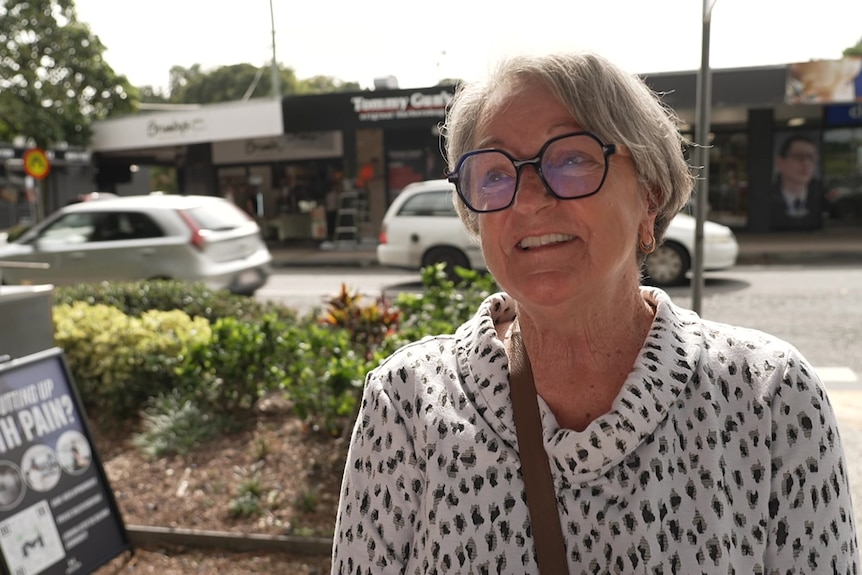
Retiree Annettee Wilkins does not support a mansion tax. (ABC News)
Retiree Annette Wilkins moved to the area four years ago and says she thinks the idea is “wrong”.
“We’re taxed enough, and then we get no benefits,” she says.
“I think we’re penalised enough for working hard and saving our money.“
Bulimba resident of 25 years Kasey Drake does not believe it would slow the growth of housing.
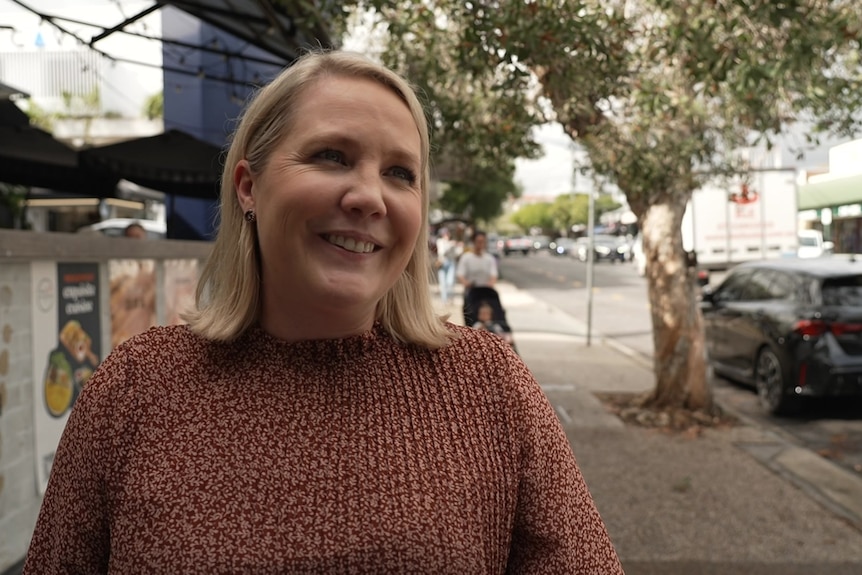
Kasey Drake has lived in Bulimba for 25 years. (ABC News)
“The house prices keep growing because we have a growing population with needs,” she says.
“A lot of young first home buyers need to get into the market.”
Ian, a local retiree, disagrees.
“I think it’s a great idea. If you live in a $5 million home, why not pay some tax?” he says.
How does it work?
There are two possible ways a mansion tax could be implemented, both of which have been seen overseas.
There might be a threshold, say $3 million, when additional tax is paid for every dollar above that amount when an owner sells a property.
That has been seen in Los Angeles while New York has done similar, but applying to buyers.
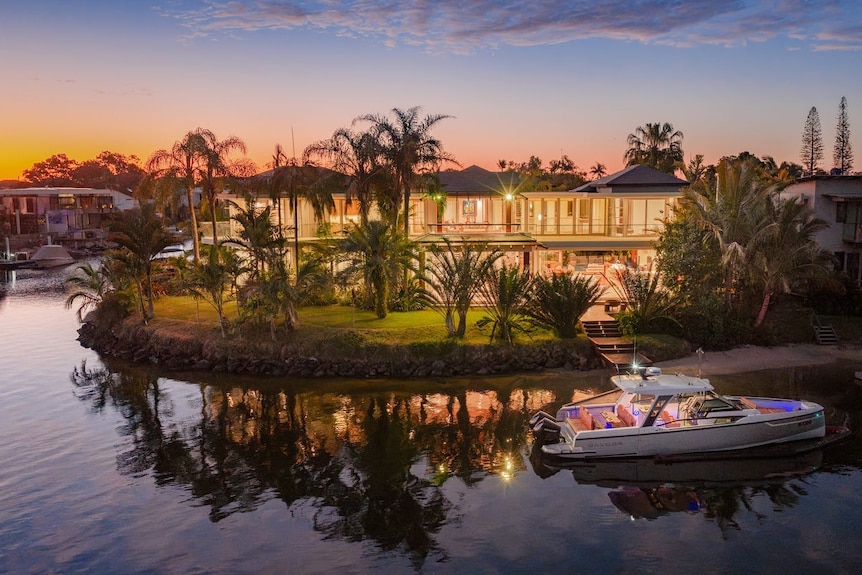
This property at Noosa Heads sold for more than $26 million in 2025. (Reed & Co)
The alternative works similarly to a land tax. Additional tax is paid annually on the unimproved value of a property over a certain threshold.
That option is due to be rolled out in the UK in 2028, with finance minister Rachel Reeves attempting to address intergenerational wealth inequality.
She described the policy in November as “asking those with the broadest shoulders to pay more”.
It is not a concept completely foreign to Australia. The New South Wales Greens have previously floated an extreme wealth property tax, while Queensland Labor’s state conference endorsed a luxury homes levy last year.
‘A step in the right direction’
Director of the Tax and Transfer Policy Institute at the Australian National University Robert Breunig is one of the country’s leading tax minds.
“If you look at where the wealth is held in Australia, about 50 per cent of it is held in owner-occupied housing, that is, houses that people live in, and that wealth is essentially not taxed,” he says.
He believes the second mansion tax option is “the better way” and “worth considering”.
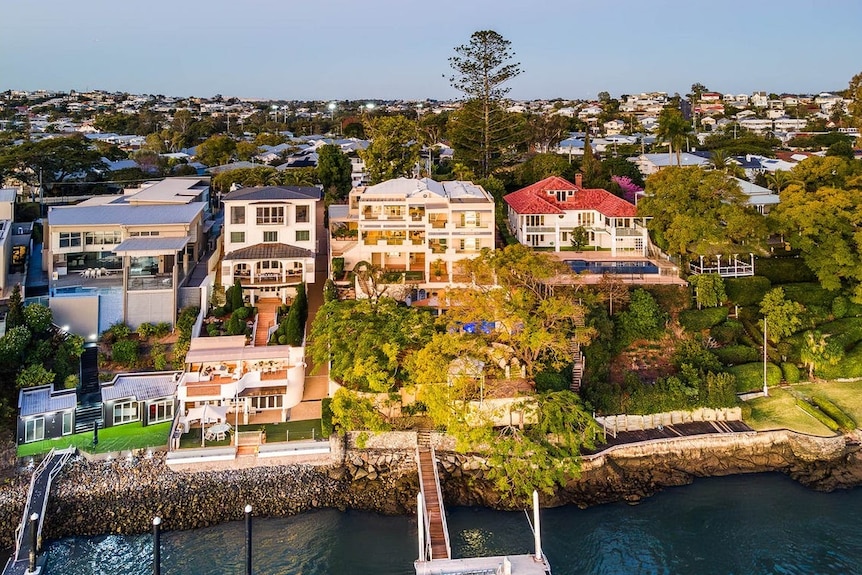
A property at Hawthorne, next to Bulimba, sold for $20 million in 2025. (Place Real Estate Agents)
An attendee of Treasurer Jim Chalmers’ economic roundtable last year in Canberra, Professor Breunig would like to see drastic changes.
That includes ditching stamp duty in favour of an annual additional tax for properties above a set value.
“If we had a property tax that people were paying that was aligned to the value of that house and no stamp duty, so that you could buy and sell houses with no extra charge, we would see a lot more movement, and that would bring down house prices,” he says.
Brisbane has been one of the hottest capital city property markets since the pandemic saw an influx of interstate migration.
In the last year, through to March 31 alone, home prices rose almost 20 per cent, with the median value at more than $1.1 million, according to Cotality.
Hard no from property industry
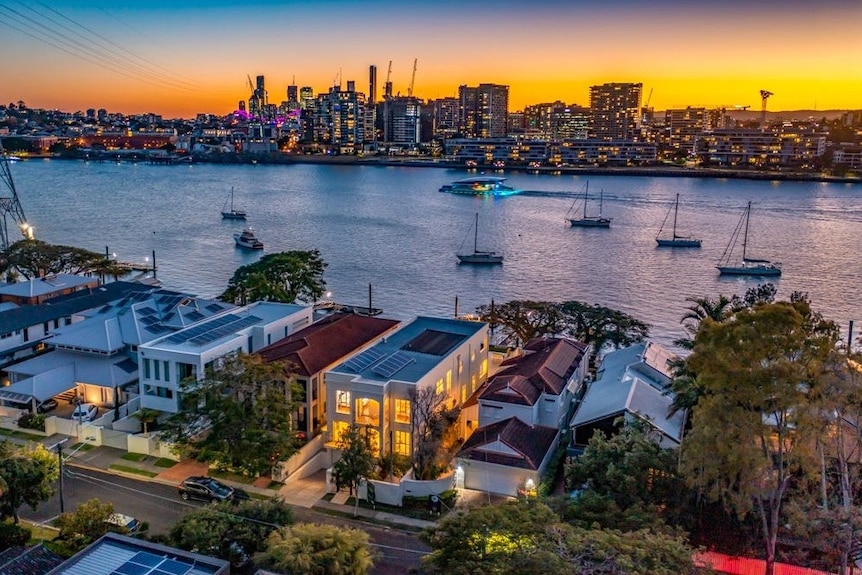
Bulimba is a sought-after suburb on the Brisbane River. (McGrath Real Estate)
For the Property Council of Australia’s Queensland director, Jess Caire, the idea does not hold much water.
“Queensland is in a housing supply crisis,” she says.
“My argument to that would be taxing housing in a housing crisis would be equivalent to taxing life jackets while our boat is sinking.
“Any tax, whether that’s a mansion tax or vacancy tax or even mandating the types of houses that developers are required to deliver, would actually have the opposite effect of boosting supply. It would constrain the market further.”
However, she too conceded the “huge burden” of stamp duty.
“One of the things that we’d really like to see is an off-the-plan stamp duty concession when it comes to new homes,” she says.
Addressing intergenerational challenges
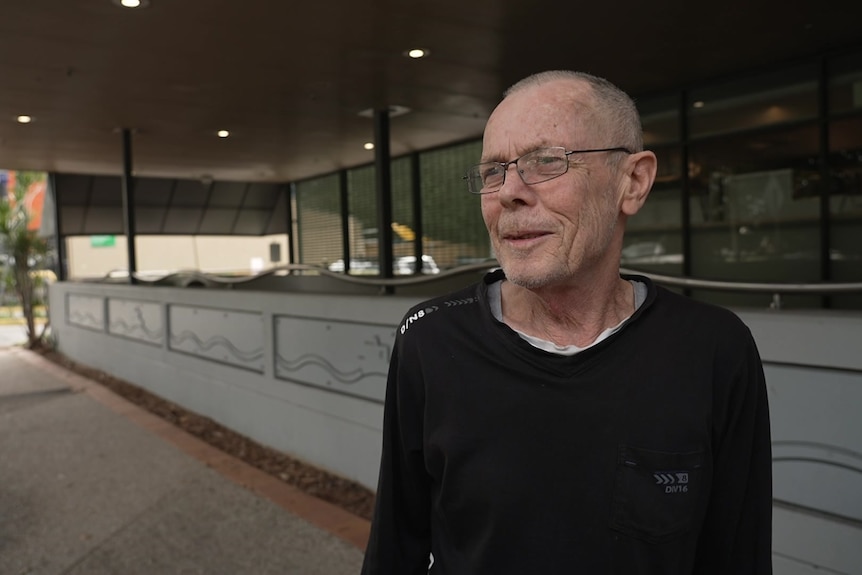
Ian supports a mansion tax. (ABC News)
While a mansion tax divides opinions, Bulimba locals agree on the need to help prospective first-home buyers.
“I do think there needs to be something in terms of stamp duty for our first home buyers,” Ms Drake says.
“I think that will help them more getting into the market, because at the moment they’re having to leverage their parents.”
“Why should the young people pay all the tax when the old people aren’t?” Ian adds.