







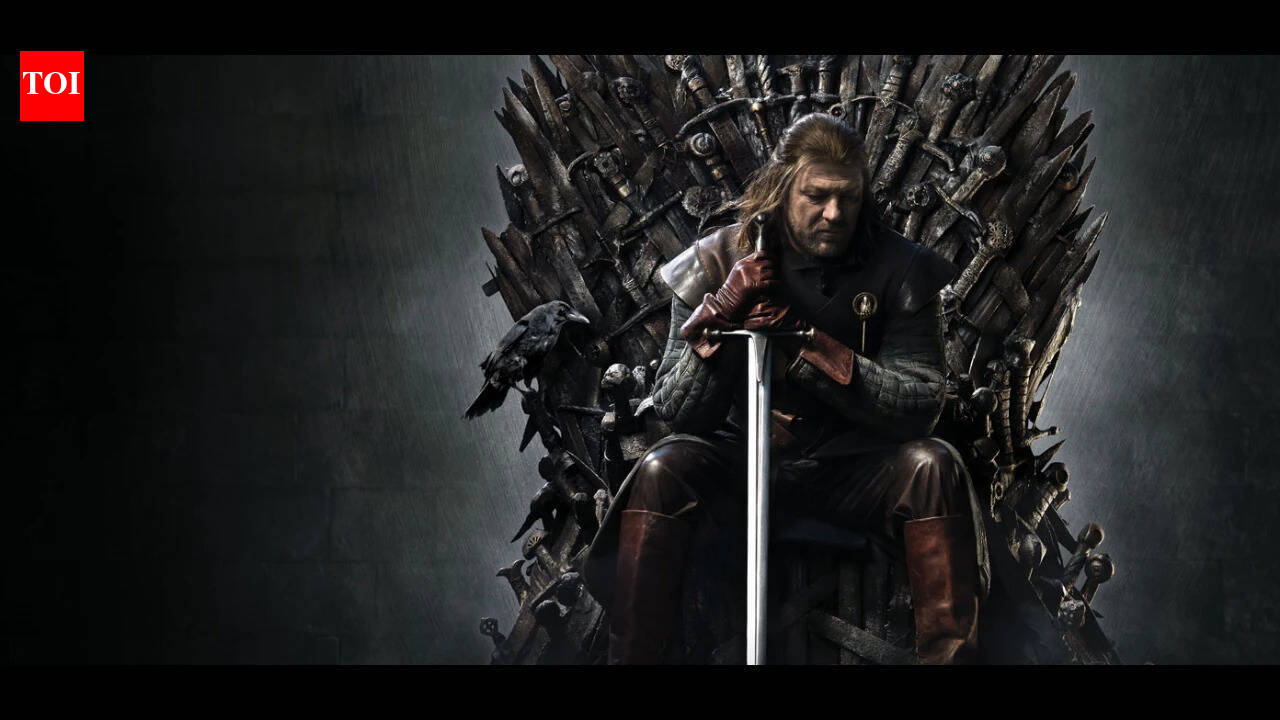
Thirty years ago, in August, a book was released. It was called A Game of Thrones. Written by fantasy and sci-fi author George RR Martin, this book series called ‘A Song of Ice and Fire’ was to be a trilogy. That was then. Things have changed. Now, it’s a seven-book series. And as of now, August 2026, fans are eagerly awaiting the last two books of this series – The Winds of Winter and A Dream of Spring. But we’re veering. Coming back to August 1996—and the magical transformation that the world of books, TV and cinema has gone through since—I think it’s safe to say, nothing in the fantasy genre has been the same since.What Martin did with the first book is bring his fandom or readers sitting on a magical cloud down on a hard road with a very loud thud; with the kind of realism that the fantasy genre hadn’t seen before. It was the first book, A Game of Thrones, that killed who we all thought would be the lead character to fight evil men and scary magical beings, and win it all as most books/stories do. At least, in this genre. Same with Season One of the TV show which took its name from the first book. We all will never forget an episode called ‘Baelor’ in Game of Thrones in 2011. That was the time when audiences, not familiar with the book, stood up, and said: What just happened?
Fantasy hits the ground
To understand why Martin resorted to gritty realism in the fantasy genre, we need to go back in time. For decades following the release of JRR Tolkien’s The Lord of the Rings, in the 1950s, popular fantasy literature often relied on repeated formulas. Books written in the 1970s and 1980s frequently featured heroic farm boys, dark lords in distant castles, and simple moral worlds where good always triumphed over evil. Magic was often used as an easy solution to complex plot problems, and fictional kingdoms remained politically and economically frozen for thousands of years.Martin altered this direction by re-imagining how fantasy worlds operate. He reduced direct magical solutions and focused instead on political power, resource management, feudal nobility, and historical conflict. In many interviews since the show’s mega success, Martin has said that in his childhood he became obsessed with Tolkien as The Lord of the Rings books started coming out, but really has stayed with him for all these years—he is 77 now—is the penultimate chapter of The Lord of the Rings. A chapter titled ‘ The Scouring of the Shire’. So, if you are familiar with Peter Jackson’s brilliant adaptation of Tolkien’s magnum opus, you may not know about “the scouring of the shire”.
The impact of ‘The Scouring of the Shire’
Unlike the last movie in the trilogy, The Lord of the Rings: The Return of the King, when Frodo and his companions return to the shire, they do not find it peaceful or a happy place. In fact, in the book, they find it burning. And the hobbits enslaved and tortured by Saruman and Grima Wormtongue and the orcs. After the final battle, or, at least, what the four heroic hobbits thought was the final battle of destroying the One Ring in the flames of Mordor; the heroes come back, and have to save the shire from destruction. They do that with the wisdom and learnings of their whole journey from the shire to the fires of Mordor and back.When Martin read this chapter, he was dumbfounded. He had not read any book in the genre of fantasy that says even if you destroy what is the biggest evil in your times, it doesn’t mean you get to live happily ever after. In fact, there’s no such thing. Big or small, evil will always rise. And people will always have to go to battle to destroy it.
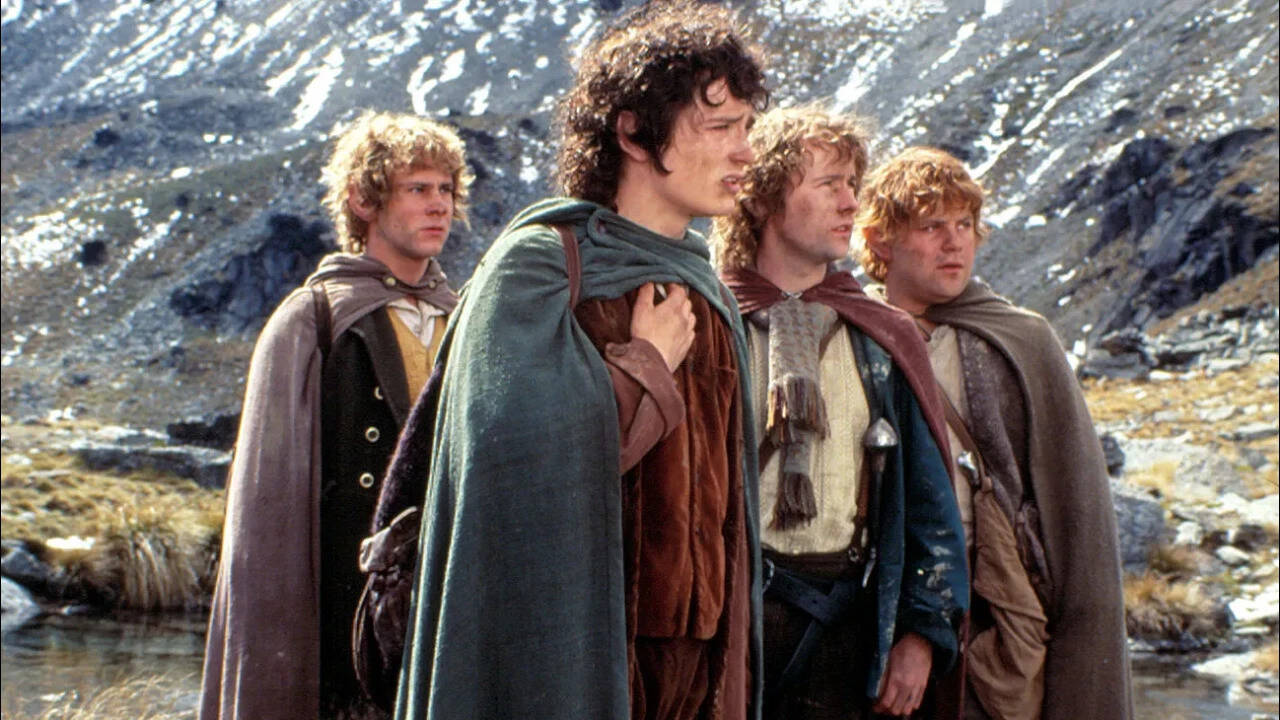
The Scouring of the Shire affected Martin deeply.
So, when Martin wrote A Game of Thrones in 1996, he took this shift of “heroes win” even further by killing off the lead character in the first book. This shift gained early support from established fantasy creators. Robert Jordan, author of the bestselling Wheel of Time series, provided a prominent cover quote for the paperback edition of A Game of Thrones, writing: “Grabs hold and won’t let go. It’s brilliant.”
Flipping the narrative structure
British fantasy writer Joe Abercrombie explained that reading A Game of Thrones in the 1990s brought to epic fantasy what he felt had been desperately missing: low on magic, low on romanticism, high on realism, and very high on ruthlessness. Abercrombie observed that Martin showed a different side of the genre by demonstrating that fantasy could be dark, grounded, and morally ambiguous. Genre critics like Justin Landon and Jared Shurin said that while Martin pioneered modern realistic fantasy, his true breakthrough was exploring how a fantasy world would operate on a day-to-day basis under brutal conditions, forcing subsequent writers to rethink basic narrative assumptions.
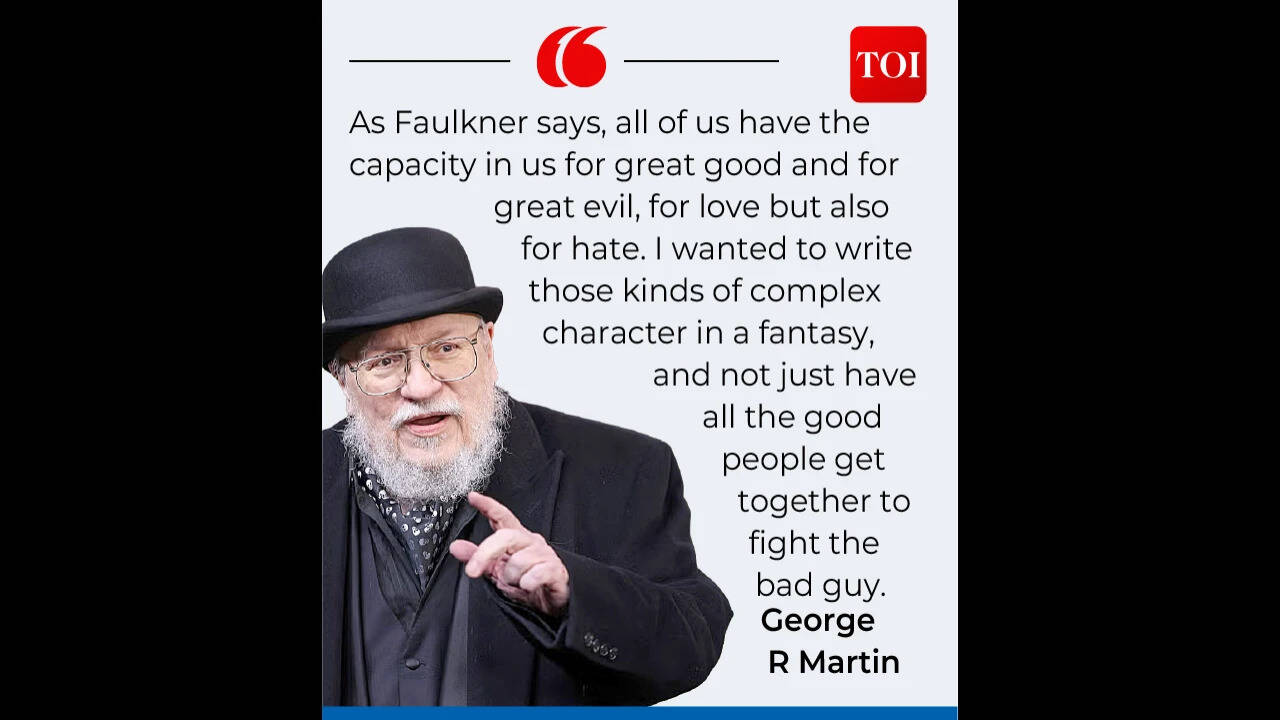
The enduring appeal of ‘A Song of Ice and Fire’ comes from its ability to combine epic worldbuilding with deep human emotions. While explaining his creative philosophy, Martin frequently quotes the American novelist William Faulkner, stating that the human heart in conflict with itself is the only thing worth writing about. Rather than placing the core drama between external forces of light and darkness, Martin places the struggle inside individual human minds.
From Potter to Paul Atreides…
We all remember JK Rowling’s Harry Potter and the Goblet of Fire in the Harry Potter series. In fact, we remember …the Half Blood Prince and …the Deathly Hallows even more. Without giving away spoilers to a generation that will discover Rowling’s magic in the TV series piloting this Christmas, let’s just say that lump in our throats or the copious amount of tears that followed makes the Harry Potter series just as appealing as its most happy, funny and magical moments.
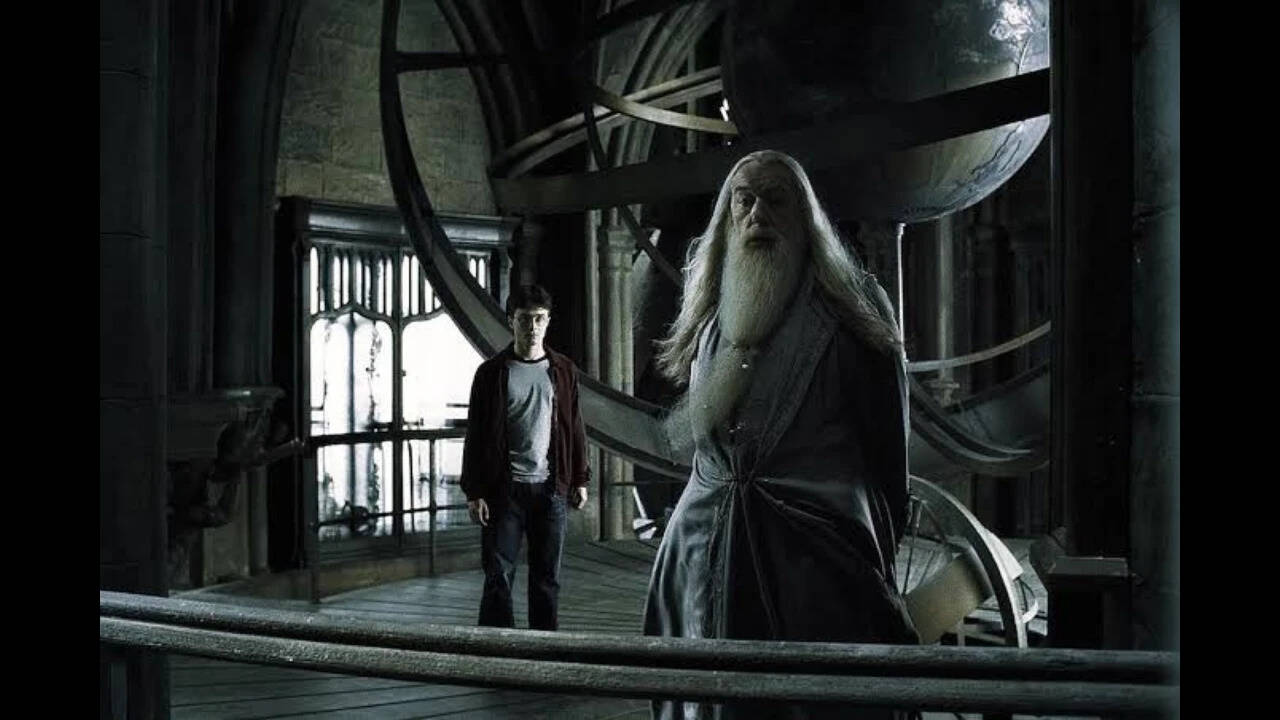
Safe to say …The Half Blood Prince was devastation for readers
There is a new generation, along with the older ones, who are eagerly awaiting the end: Dune 3 (technically, Dune not a trilogy; but this story sort of is. You gotta wait a bit because no spoilers!), which also releases this December. Coming to Frank Herbert’s first book, Dune, which released in 1965, spice is the metaphor for oil in the 20th century. And the control of that decided the fate and wealth of nations. Herbert’s book was a tremendous success for its massive world-building and deft storytelling.But Herbert wasn’t happy with the reception of the book. The way, the hero Paul Atreides was received—glorious, epic, heroic—was not the point of his story. The point was becoming a hero, believing his own myth, hubris and then… what usually follows hubris… downfall. Herbert’s following two books make this evident. Again, for the sake of avoiding spoilers—unless you want to pick up the books—we will just say that this fantasy is as gritty, as hard-hitting as it can get. And that is the point.
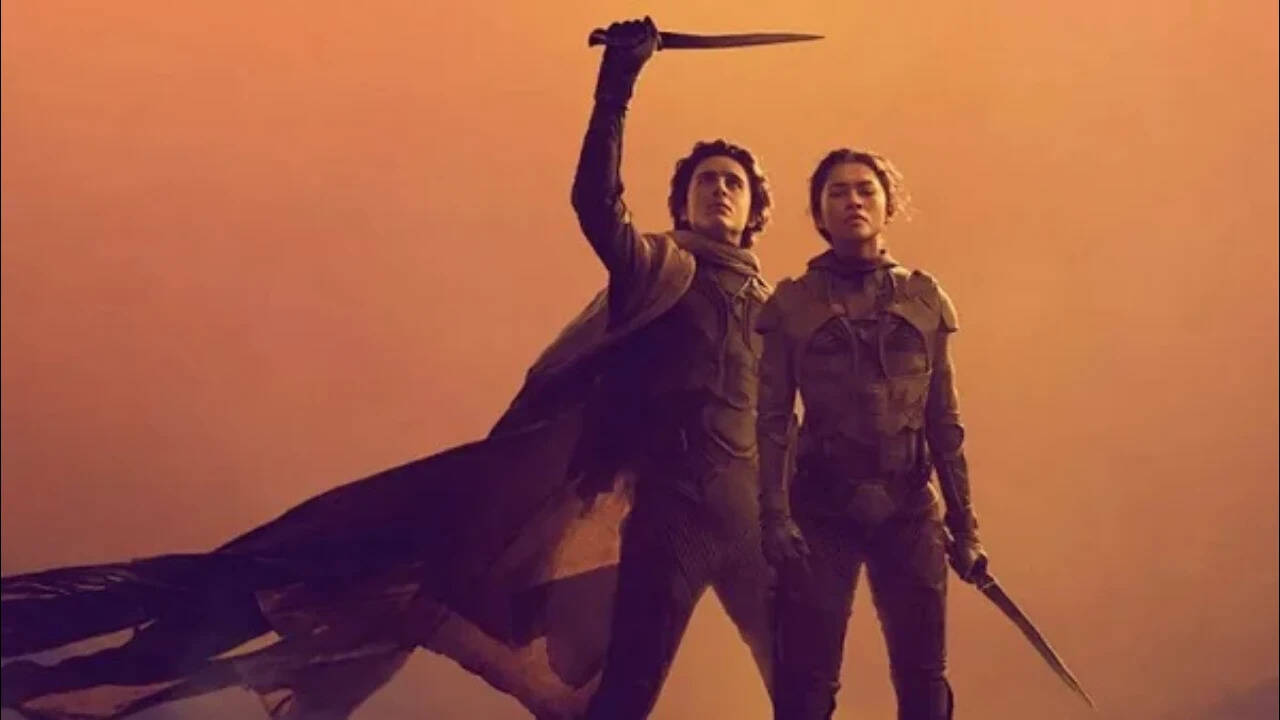
Do heroes always stay heroes, or do they become villains?
Since the release of the TV series Game of Thrones, in 2011, the fact that fantasy epic can be brutal has become mainstream as an idea in popular culture. And Martin wasn’t the first to touch upon it. Tolkien did, as did Jordan and Herbert. But Martin has taken realism to the point where there is no escape from misery. Where the hero doesn’t win, even after defeating evil. Jon Snow is exiled. Or maybe in the book, Jon Snow will refuse the crown.That part isn’t written yet. The books have only gone as far as Snow paying the heaviest price for his honesty, and his impetuousness, and being betrayed by his brothers at Castle Black. That’s where Martin has left us. Till the next two books are released, we aren’t sure of his fate or anyone else’. At least, the ones who are alive. But what we can be sure is the hero will not get a happy ending that fantasy was once about. Martin, and his ilk, has taught us over the past few decades that heroes are human beings. They will falter. They may or may not remain heroic. They may die. Or, they may live and become the villain, to quote Christopher Nolan. Or, they may live with the weight of the world weighing on them because that’s what wars do.