







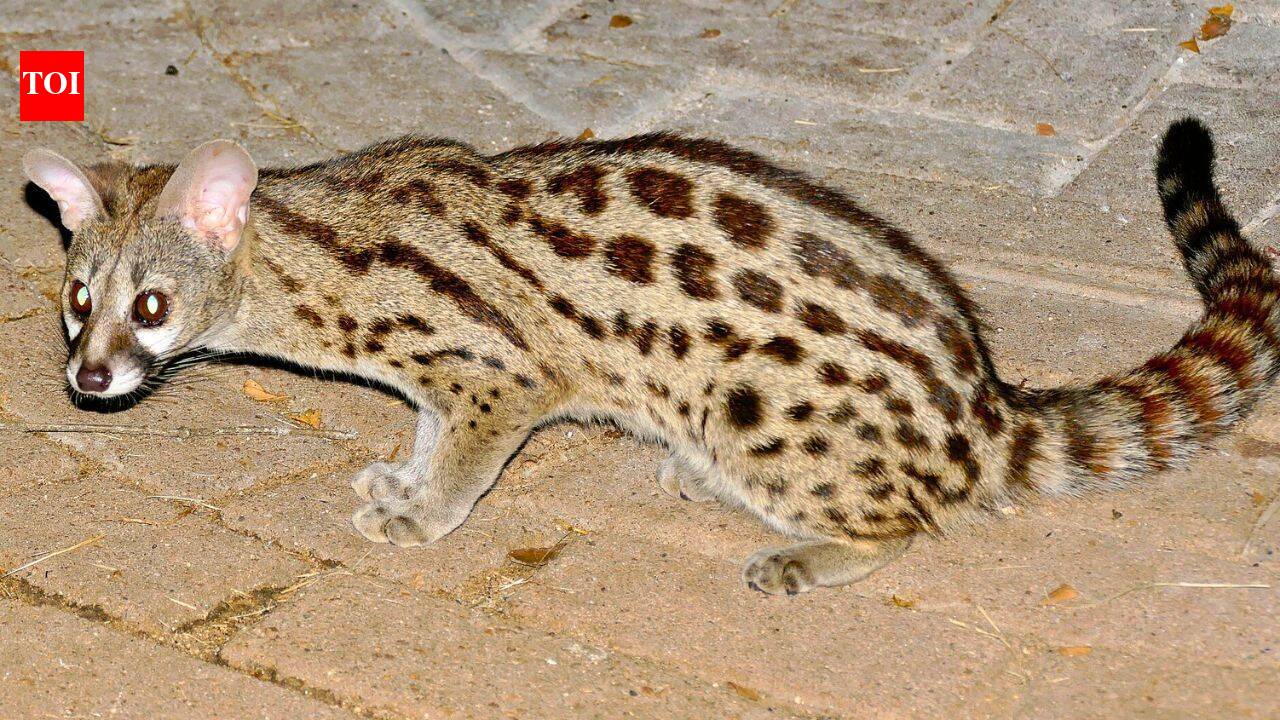
A genet has spotted fur, retractable claws, sharp eyes, and the quiet confidence of a skilled predator. Genets are not cats at all, infact they belong to an older branch of the carnivore family that split from the ancestors of modern cats millions of years ago.These slender mammals spend most of their lives hidden in forests, woodlands and rocky landscapes across Africa. They hunt almost silently, communicate using powerful scent glands and rarely stay in one place for long. Their secretive lifestyle has kept them out of the spotlight, but their behaviour is every bit as fascinating as that of far more famous carnivores.
Genet facts: Size, habitat, diet, behaviour and remarkable survival adaptations
Understanding the remarkable adaptations that make genets such successful hunters
1. Why genets are often mistaken for wild cats
It almost looks like a cat. Its spotted coat, pointed ears, retractable claws and graceful movements all resemble those of a domestic cat. Despite the similarities, genets belong to the Viverridae family, which also includes civets and several other small carnivores.
2. How can genets climb almost anywhere
PC: Wikipedia/FOTO-ARDEIDAS
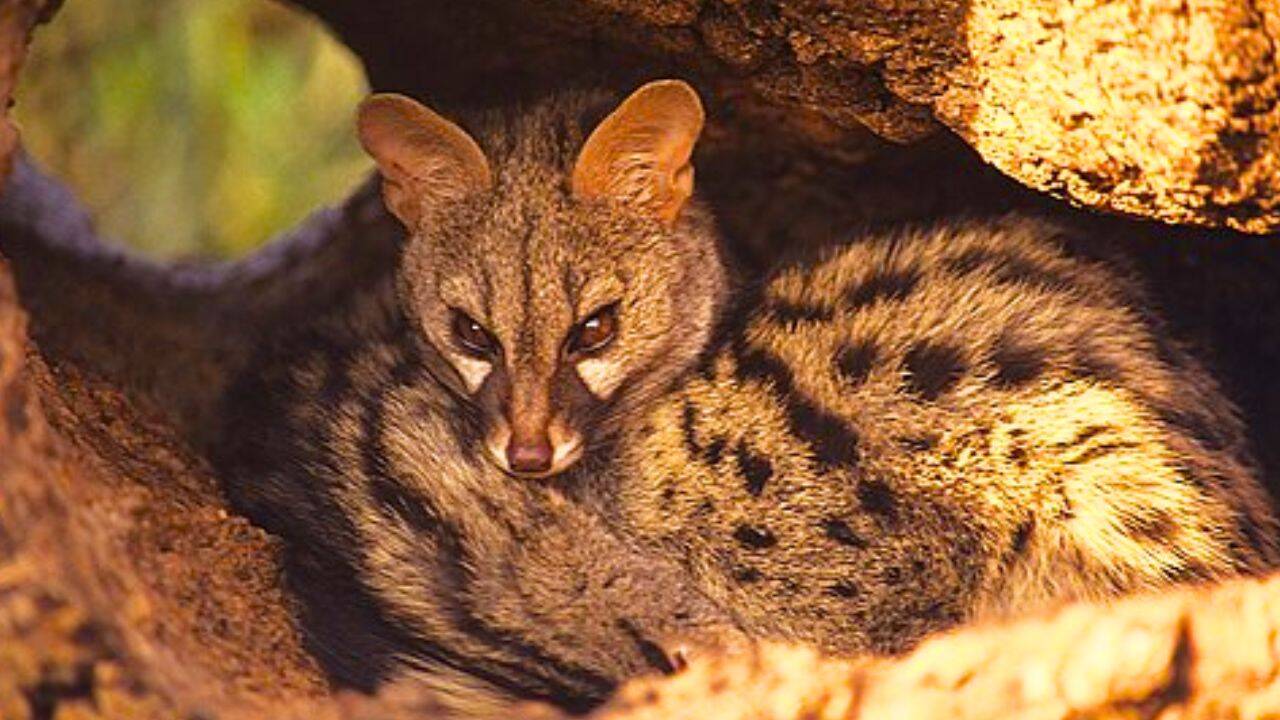
A genet’s body is usually long and flexible. Combined with powerful legs and sharp claws, this allows it to move easily through trees, rocky crevices, and dense vegetation.Its long, ringed tail acts as a counterbalance while climbing, which helps it stay stable on narrow branches. Genets can also squeeze through any opening wider than their heads, making it much easier to escape predators.
3. What makes them silent night hunters
Genets spend much of the day hidden before becoming active after sunset. Their large eyes and excellent night vision allow them to hunt efficiently in darkness.Many predators often rely on long chases, but genets stalk through vegetation. Short pauses between movements help them remain unnoticed until they are close enough to strike.
4. Diet depends on availability

PC: Wikipedia/Andrewself
Although genets are classified as carnivores, they behave more like opportunistic feeders. Rodents, shrews, birds, bats, frogs, reptiles, and insects are all included in their diet.They also eat fruit whenever it is available, making them one of the few small predators that regularly switch between animal and plant foods depending on the season.
5. How did genets reach Europe
Most genet species live only in Africa, but the common genet has a much wider range. Today it is found across parts of Spain, Portugal and southern France, in addition to North Africa and the Arabian Peninsula.Scientists still debate exactly how it arrived in Europe. Some believe ancestors reached the Iberian Peninsula naturally long ago. Others think the animals were brought by the Moors, who reportedly kept genets as household rat catchers centuries before domestic cats became common across Europe.
Human activity remains its biggest challenge
As towns and farmland expand, some populations have adapted to live near people. Unfortunately, their willingness to hunt chickens often leads farmers to kill them in retaliation.Conservation groups now work with local communities to reduce conflict by supporting sustainable farming and creating alternative sources of income. These efforts help protect wildlife while improving livelihoods for the people who share the same landscapes.