








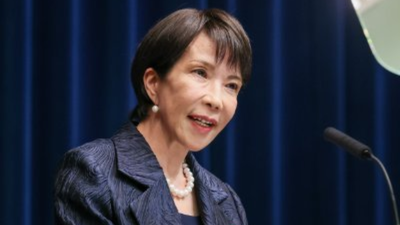
Japanese Prime Minister Sanae Takaichi told the public this week she’s been running on zero to three hours of sleep a night since taking office, sparking a debate over work culture and reviving questions about what chronic sleep loss actually does to the brain.Takaichi posted the details on X on the night of July 20, describing a routine of reading policy documents until dawn, doing laundry and ironing between meetings, and catching up on backlogged email during what should have been Japan’s Marine Day holiday. The post has drawn more than 35 million views.“On weekdays, by the time I get back to the residence, I’m maxed out on private time just handling bath cleaning, bathing, dinner, washing up afterward, laundry, and some light tidying, so the late-night hours after that get consumed until dawn with reading materials brought back from the Prime Minister’s Office or prepping for Diet question time.Today’s holiday felt like such a true blessing—finally getting a full five hours of sleep for the first time in ages (ever since taking office as prime minister, zero-to-three hours has been the norm), and then this afternoon, I tackled a huge backlog all at once: ironing the handkerchiefs and undergarments from untouched loads of laundry, plus some sewing (hemming frayed skirt edges and reinforcing loose buttons on jackets),” she wrote in a long post. This isn’t the first time Takaichi’s sleep habits have made headlines. She previously revealed she typically sleeps around two hours a night and has summoned aides to meetings as early as 3 a.m., including one session six hours before a budget hearing that Japanese media dubbed the “3am study session.” The episodes have stirred fresh concern in a country already grappling with overwork and burnout, where karoshi — death from overwork — remains a documented public health problem.
So what does science actually say about surviving on that little sleep?
Most adults need 7 to 9 hours of good-quality sleep a night, according to sleep researchers, and the deficits show up fast when people fall short. A widely cited UK Biobank analysis of nearly 480,000 people found something specific: seven hours of sleep a day was tied to the best cognitive performance, and scores dropped for every hour above or below that mark. The pattern held even in people over 60, tracked across more than 212,000 participants.The short-term effects are just as measurable. In one sleep-lab study, people who didn’t get enough rest saw their error rate on a basic attention test jump from 15 percent to 30 percent the next day, while their ability to react quickly to stimuli also took a hit. Get even six hours of recovery sleep the following night, though, and that error rate barely budges from baseline.Longer stretches of sleep loss carry heavier costs. Research on middle-aged adults found that people sleeping under six hours a night showed significantly steeper declines in memory, executive function and attention over time, independent of age or existing health conditions. And it’s not just about feeling foggy the next morning — sleep plays a direct role in clearing waste proteins from the brain, including the beta-amyloid buildup linked to dementia, which is part of why researchers treat chronic sleep restriction as a long-term brain health issue and not just a productivity problem.Tokyo has been piloting four-day workweeks partly to combat the same overwork culture Takaichi’s comments have put back in the spotlight. Whether her routine changes anything about that policy push remains to be seen. But for now, her sleep math has become an unplanned case study in exactly the kind of question sleep researchers have spent decades trying to answer: how little is too little, and what does the brain quietly give up in exchange.