







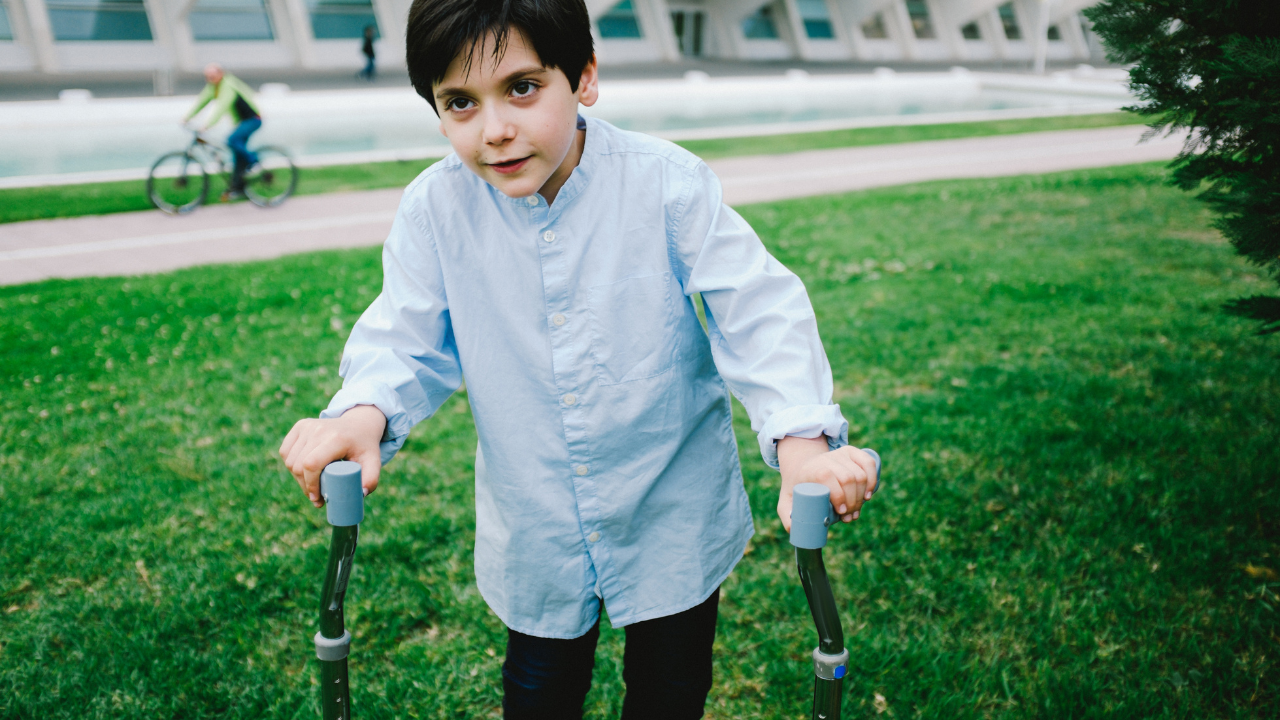
Children with cerebral palsy spend years learning skills that many others develop naturally, taking a few steady steps, holding a spoon, or speaking clearly. Every small milestone becomes a major victory. So when a new treatment promises hope, families understandably pay attention.One such treatment is umbilical cord blood stem cell therapy, an area of research that has gained momentum over the past few years. Scientists are exploring whether these special cells can help repair damaged brain tissue and improve movement in children with cerebral palsy.
What exactly is cerebral palsy?
Cerebral palsy (CP) is one of the most common causes of physical disability in children. It develops because of injury to the developing brain before birth, during delivery, or shortly after birth. The condition affects movement and posture, but its impact can vary widely. Some children experience muscle stiffness and poor balance, while others struggle with delayed developmental milestones, speech difficulties, seizures, or learning challenges.
Why are cord blood stem cells attracting attention?
According to Dr Bhavani Mandava, Consultant – Hematology, Manipal Hospitals Vijayawada, explained, “Cord blood contains special cells with immune-modulating and repair-supporting properties. Researchers believe these cells may reduce inflammation, support brain repair mechanisms, and improve communication between nerve cells.”Unlike medicines that target a single pathway, researchers believe these cells may create an environment that allows injured brain tissue to function better. Importantly, scientists are still studying exactly how these benefits occur.
What does the latest research actually show?
The benefits appeared to be greater in younger children, particularly those under five years of age, children with milder forms of cerebral palsy, and those receiving higher cell doses.The study does not suggest that stem cells replace therapy. Instead, they appear to enhance the gains made through rehabilitation.
It is promising, but it is not a miracle cure
This is perhaps the most important message experts want families to understand.“Cord blood therapy is not a miracle cure. It does not reverse cerebral palsy, and it does not replace physiotherapy, occupational therapy, speech therapy, nutrition, orthopedic care, or neurological follow-up. The best outcomes are seen when cell therapy is used as part of a structured rehabilitation program,” said Dr Mandava.In other words, stem cells should be viewed as a possible addition to treatment, not a replacement for the care children already need.Doctors also emphasise that the earlier rehabilitation begins, the greater the opportunity for the developing brain to adapt and build new connections.
Why choosing the right treatment centre matters
The excitement around stem cells has unfortunately led to the rise of clinics offering expensive treatments that have not been scientifically proven.Dr Mandava cautioned that cord blood is far more complex than simply storing stem cells, “Its collection, storage, matching, cell dose, viability, sterility, and safety testing are critical. Only properly banked cord blood from accredited facilities should be considered. Unregulated stem cell clinics offering unproven treatments can expose families to financial exploitation and medical risk.”Medical experts consultedThis article includes expert inputs shared with TOI Health by:Dr Bhavani Mandava, Consultant – Hematology, Manipal Hospitals Vijayawada.Inputs were used to explain what cord blood stem cell therapy means for children with cerebral palsy, what the latest research says, and why experts recommend balancing hope with realistic expectations.