





The looming extension to the life of a magnetite ore mine has shires in Western Australia’s Midwest region concerned over access to a key aquifer.
Controversy has surrounded Karara Mining Limited’s operation in the Shire of Perenjori, about 340 kilometres north-east of Perth, since it was approved to draw 92 per cent of local groundwater from a subsection of the Parmelia aquifer when first constructed in 2011.
Now, the neighbouring Mingenew Shire has asked the Environmental Protection Authority (EPA) to pause its assessment on a proposed 15-year extension in order to better understand consequences for water security.
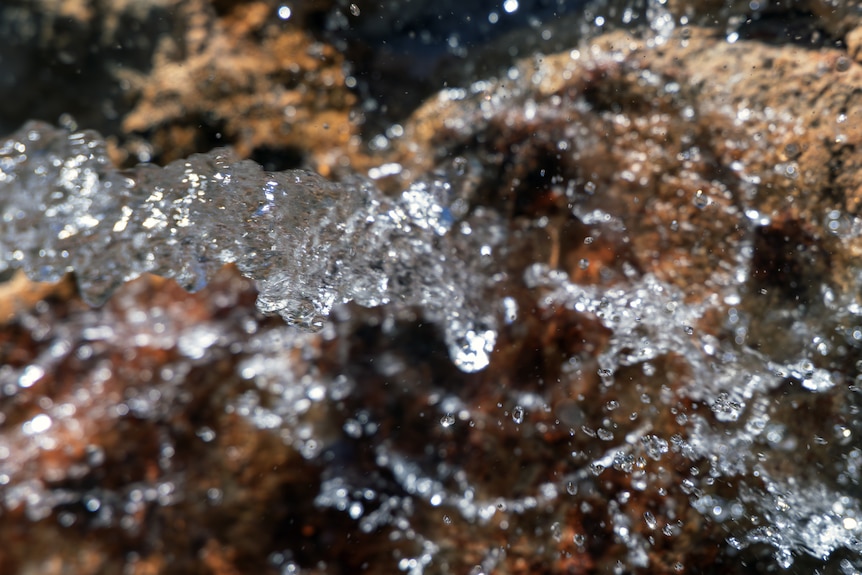
WA’s Midwest shires are concerned about the impact the mine extension could have on local groundwater supply. (ABC News: Chris Lewis)
Water licensing ‘divorced’ from EPA
Karara has a licence to draw five of the 5.4 gigalitres available at Mingenew’s subsection of the Parmelia aquifer, a potable water resource the local community relies on.
Mingenew Shire president Hellene McTaggart said there was unease when the company was initially approved to access so much groundwater in 2011.
“There was a lot of community concern [as] it’s incredibly high-quality water,” she said.
“I understand it’s one of, if not the only, drinkable groundwater supplies within the area.”
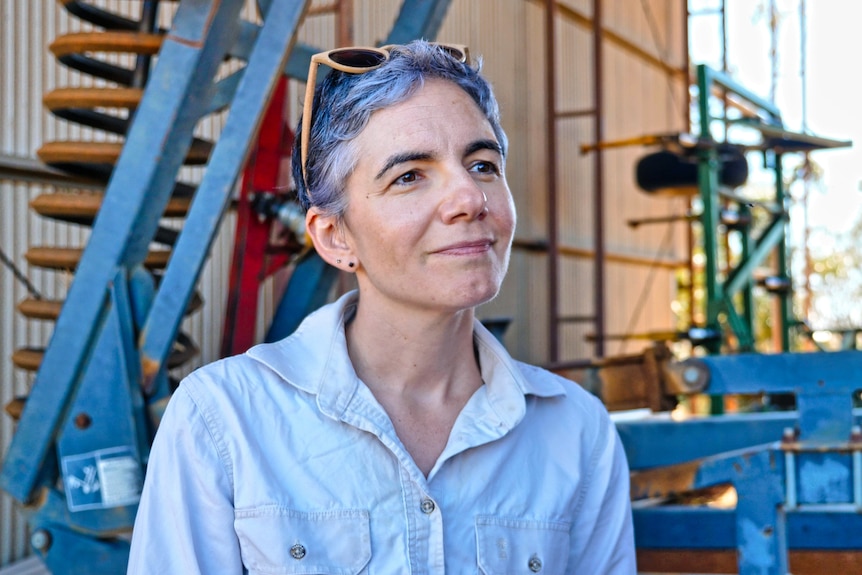
Hellene McTaggart says the EPA needs to take into account the community’s water security. (ABC News)
Despite its existing licence expiring in 2027, the company gained approval last year to draw a further gigalitre, or 1 billion litres, of groundwater from the Yandanooka bore field until 2035.
“I understand that there are water licensing arrangements … but we are very concerned that such an important natural asset is not being considered in the full environmental impact,”
Ms McTaggart said.
She said water licensing could not be “divorced” from the overall environmental impacts, which is why her shire had written to the EPA requesting a pause on its assessment of Karara’s mine extension to 2048.
“We understand water licensing is a separate process to this EPA but [groundwater] is such a significant resource and such a huge allocation that we think it cannot be divorced from the overall assessment,” she said.
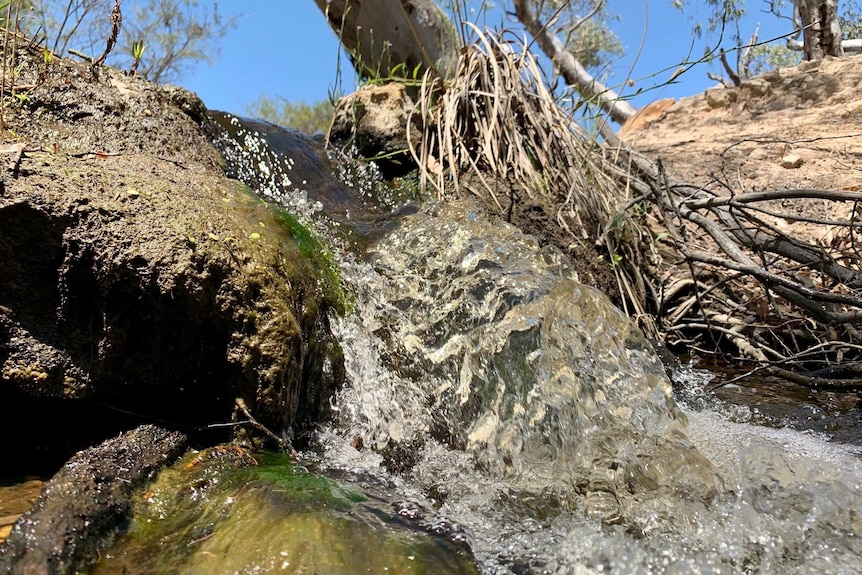
The area has numerous springs fed from an aquifer. (ABC News: Jo Prendergast)
Small towns ‘vulnerable’
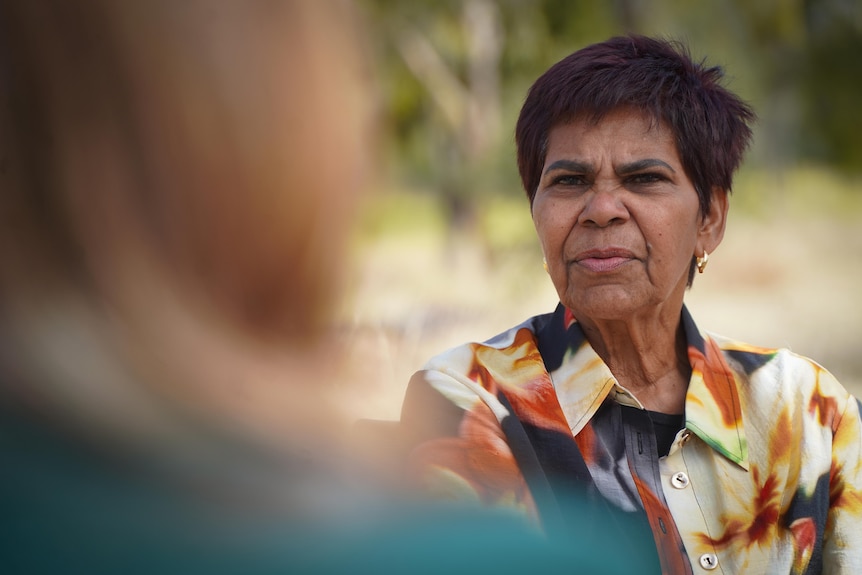
Water security has long been a concern across Midwest local governments, according to Karen Chappel, president of the nearby Morawa Shire.
“The supply of water to our regional towns has been a concern for all of the local governments … in the last 20 years,” she said.
“But when mining came on board and the licences [were] being given to the likes of the local mining company to help with their project, it really made our small towns very vulnerable.
“[Karara takes] an awful lot of water that’s allocated for mining and it doesn’t leave a lot of wriggle room for use for communities or for towns and farms.”
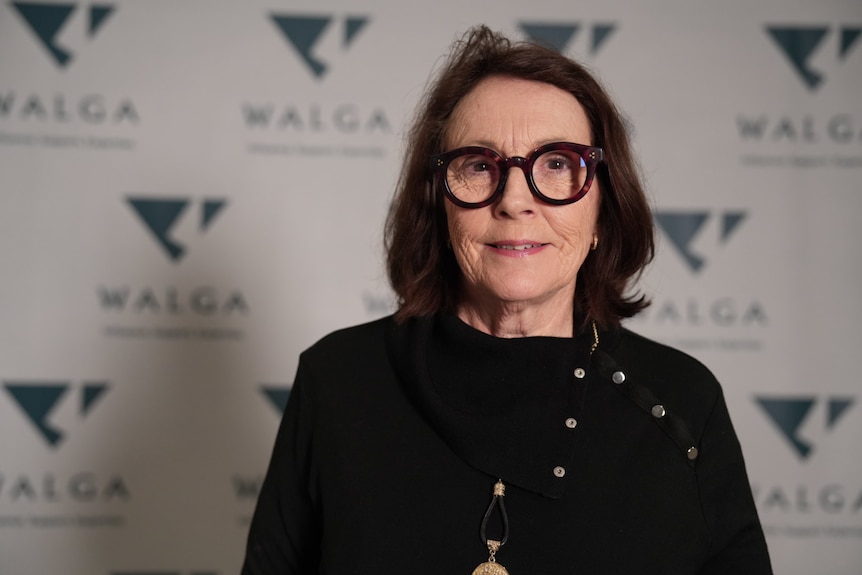
Karen Chappel says shires in the Northern Country Zone will “closely monitor” the EPA assessment. (ABC News: Jack Stevenson)
Although councils liked to attract large-scale projects to their shires, Ms Chappel said there was still a wariness.
“We welcome industry, but we also have to remember that water is a finite resource and some of our communities get their water from different aquifers,”
she said.
“So small local governments are obviously concerned as to the impact all of these [water] licences have on the community.”
A Department of Water and Environmental Regulation (DWER) spokesperson said water licences were assessed against a “range of factors.”
“DWER will subsequently review and amend water licences where required to ensure resources are being managed sustainably to meet government and community expectations,” they said.
The spokesperson said licence processing was administered under a separate legislative framework to the EPA but acknowledged both processes needed to consider water impacts.
“Both regulatory processes have a role to consider potential impacts and management associated with water extraction,” they said.
“[The EPA] may seek DWER’s technical advice into how water resources are being regulated.”
Karara Mining Limited did not respond to questions around water licensing agreements and community concerns.