







The interim vice-chancellor of the Australian National University (ANU) says a string of governance problems has cost the university about $100 million in reputational damage.
Professor Rebekah Brown gave evidence in Senate estimates hearings today, following controversy around the university’s now-aborted cost-cutting plan, Renew ANU.
The interim vice-chancellor told the committee that while the full extent of the impact was still being calculated, the financial consequences up to the end of last year had been considerable.
“It’s in the order of $100 million, senator. It’s very significant,”
Professor Brown said.
“[And it’s had an] impact on our donor pipeline, and our international agents’ work with international student recruitment.”
But she told the committee she believed the university was “on the pathway of restoring confidence” with its donors.
“We have actually done a lot of work with our ACT alumni and donors, and with our international donors, particularly across the US and China,” Professor Brown said.
“We’ve also contacted donors that wrote to us and let us know that because of Renew ANU, they didn’t want to see new commitments go through.
“We’ve met with nearly all of those donors and provided an opportunity to input into our next strategy going forward.“
The Tertiary Education Quality and Standards Agency (TEQSA) also appeared at the hearings, telling the committee it had nearly finished a highly anticipated governance review.
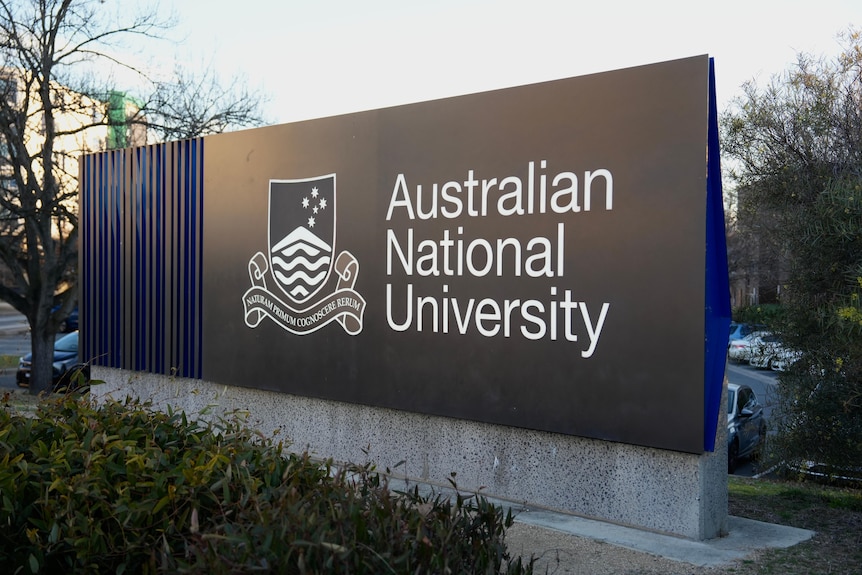
Tertiary education watchdog TEQSA is currently undertaking a review of governance at the ANU. (ABC News: Callum Flinn)
But the university regulator said parts of that independent review into ANU’s compliance and governance, overseen by former public service commissioner Lynelle Briggs, may not be made public.
TEQSA CEO Dr Mary Russell told the committee the watchdog was aiming to make as much of the report public as possible, but could not do so until it was completed.
“Ms Briggs’s expert report is only a part of the information that’s relevant for the commissioners to consider in coming to their final decision,” Dr Russell said.
“Accordingly, that decision will be broader than the matter that is covered in the Briggs report.
“It remains our preference to release that report, but we don’t anticipate being able to do that before the commission have made their decision.
“Due to the more complex nature of this matter, and the extraordinary interest both within the ANU community and more widely, I expect we will confer with the ANU and seek their agreement for more information to be published rather than less.”
The report is expected to be completed next month.