








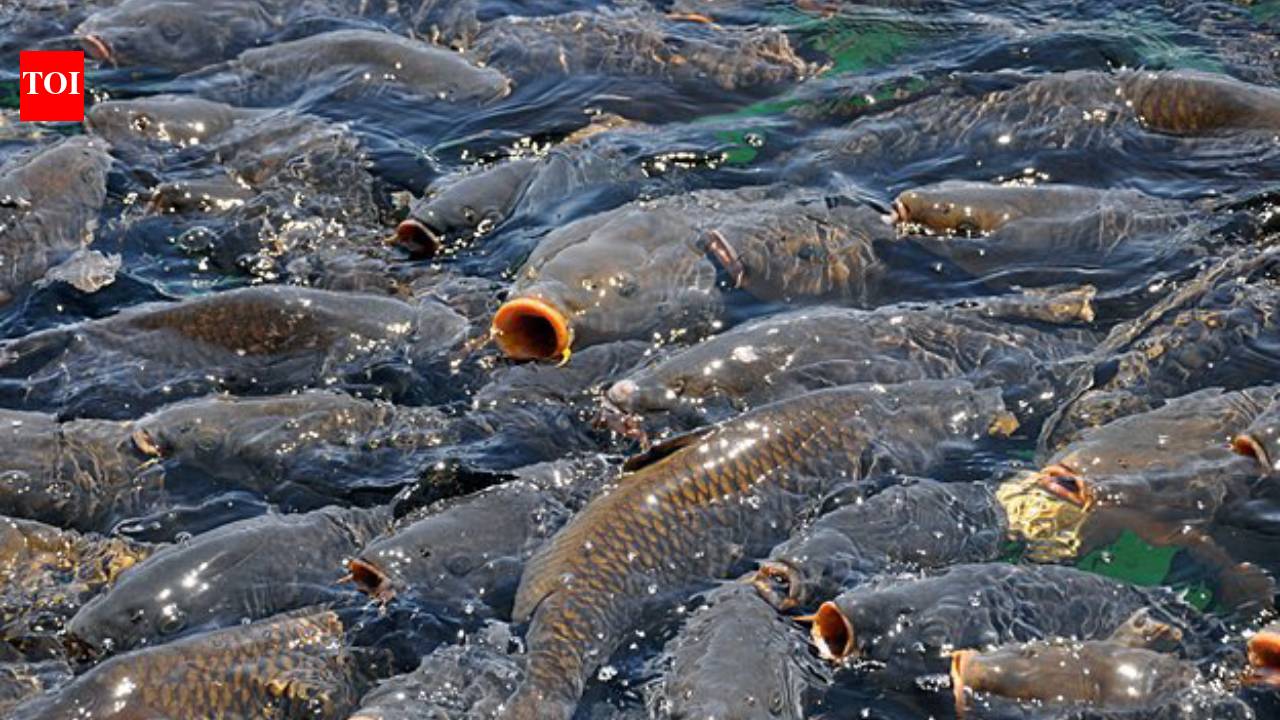
Hundreds of dead fish have washed up along stretches of the Mississippi River in Missouri and Illinois, creating a grim sight for visitors and raising concerns about what caused the die-off and whether the water remains safe. However, wildlife officials say the situation may ultimately benefit the river ecosystem.About 90% of the dead fish found at Riverside Landing Park in St. Charles County, Missouri, were identified as invasive silver and bighead carp. Officials say warm temperatures, low water levels and reduced oxygen appear to have caused the deaths, while native fish are better adapted to the river’s harsh summer conditions.
Why are so many fish dying in the Mississippi River?
Dan Zarlenga of the Missouri Department of Conservation said the combination of warm weather and lower water levels appears to be behind the die-off.“The heat warms up the water, and the water is lower, and there’s less oxygen than cooler (water),” he explained.According to Zarlenga, invasive carp often gather in shallow water, where oxygen levels can become particularly low during hot weather.
About 90% of the dead fish were invasive carp
The majority of the dead fish identified at Riverside Landing Park were silver and bighead carp, both invasive species that have spread throughout waterways in the United States.Zarlenga said around 90% of the dead fish were from these two species.Silver carp are particularly notorious for leaping out of the water when startled, sometimes creating dangerous situations for boaters.“They’re the ones that jump out of the water and get people,” local resident James Bushdiecker said. “So, I’m not sad to see them go; there’s just a ton of them.”
Resident describes disturbing scene
Bushdiecker said he first noticed the dead fish while walking his dog near the river.“Well, this is as bad as I’ve seen it,” he recalled.He said he had noticed the die-off about a week earlier but was surprised by the number of carcasses when he returned.“I wanted to know if it was safe,” he said.
Dead carp reported elsewhere
The die-off has not been restricted to St. Charles County.Dead carp have also reportedly been spotted near the Melvin Price Lock and Dam in Alton, Illinois, as well as along sections of the Mississippi River in Pike and Lincoln counties.The reports suggest that the combination of hot weather and low water conditions is affecting fish across multiple stretches of the river.
Why the die-off could help native fish
Despite the alarming appearance of hundreds of dead fish, wildlife officials say the situation may actually benefit native species.Native fish have lived in the Mississippi River for generations and are better adapted to naturally occurring changes in temperature and oxygen levels.“This isn’t a bad thing actually,” Zarlenga said. “Our native species have lived in these waters for generations.”A reduction in invasive carp could also mean less competition for food and other resources, potentially giving native fish more room to thrive.
Birds and wildlife could feed on the carcasses
The dead carp will also become a food source for other wildlife.Zarlenga said birds and other animals are expected to feed on the carcasses as they drift downstream and collect along the riverbanks.While the sight of large numbers of dead fish can understandably cause concern, officials say the dominance of invasive species among the carcasses makes the event less alarming from an ecological perspective.For now, the die-off appears to be linked to the seasonal combination of high temperatures, low water levels and reduced oxygen, rather than an unexplained threat to the river.