









The number of influenza infections recorded in Australia so far this flu season is below average, but one expert has cautioned against complacency.
According to the latest respiratory surveillance report, released today by the Australian Centre for Disease Control (ACDC), there’s been a 65 per cent drop in notified flu cases compared to the same period the last year.
There were 33,071 cases detected between January 1 to May 31 this year, down from 96,422 cases over the same period in 2025.
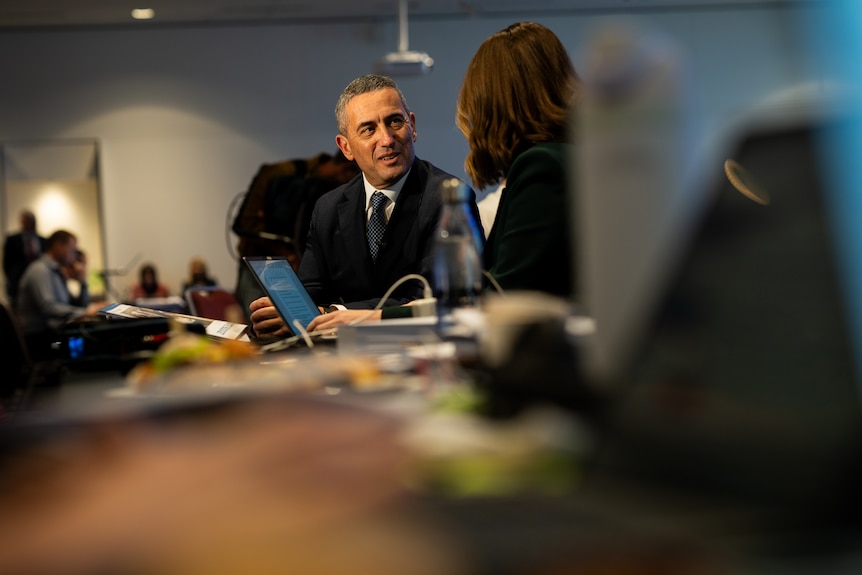
But Mater infectious diseases physician Paul Griffin said each year was different and the community should not be “lulled into a false sense of security”.
“Part of that is because we had an extraordinary flu year last year with record-breaking numbers and lots of activity also outside of the usual season,” Professor Griffin said.

Paul Griffiin says the numbers should not lull people into a false sense of security. (ABC News: Chris Gillette)
Last year 1,701 deaths were associated with influenza — the highest number this century.
The ACDC report noted the drop in cases could reflect the fact people who caught the flu last year would have built up immunity against the infection.
“Reduced overseas importations of influenza, due to earlier activity in parts of the northern hemisphere during their 2025–26 season, may also be contributing,” the report said.
Mr Griffin said the fast-moving Super-K strain of influenza was still causing “the majority” of infections.
In the last two weeks of May there were 1,903 new flu cases reported by health authorities, a 15 per cent increase from the previous fortnight.
Flu cases typically increase over winter, peaking around August.
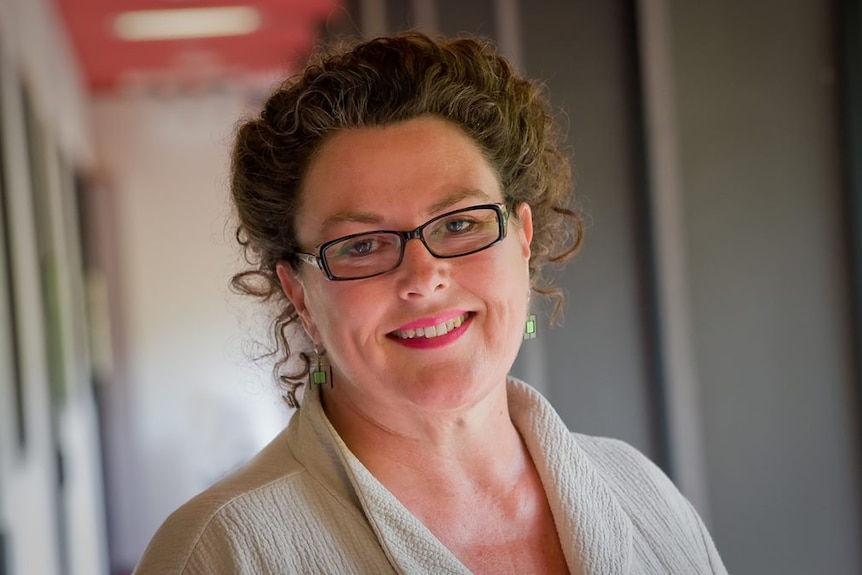
Catherine Bennett says flu cases will likely peak later than usual in 2026. (Supplied)
Deakin University Epidemiology Chair Catherine Bennett said the increased population immunity would likely delay the peak case load to later in the year.
“That does buy time for [more] vaccination,” she said.
“If people top up that late boosting they had at the end of last year with a vaccination now, we could actually keep this winter wave in check in ways we really haven’t had the opportunity to do before.”
RSV dominating hospital admissions
Professor Griffin said recent hospital admissions from respiratory infections were being caused by respiratory syncytial virus (RSV).
In the year to May 17 almost half of the 2,273 people admitted to hospital with respiratory infections were admitted with RSV, which affects the lungs and airways.
“I think it’s important to point out that we actually have a number of options to address that these days with vaccines for pregnant women and older adults,” Professor Griffin said.
“And we also have a monoclonal antibody for young babies. So we should be able to do a lot more [to reduce] RSV.”
Not too late to get vaccinated
Vaccination figures collated by the National Centre for Immunisation Research and Surveillance show only one in five children aged between six months and two years old have been vaccinated against influenza.
Just 16 per cent of adults aged from 18–50 years old have had a flu jab so far this season, while coverage for over-65s was higher at 52 per cent.
Professor Griffin, who is also a clinical microbiologist, said while vaccination rates were “a little bit better than last year”, they were still not high enough.
“The main thing we need to focus on is regardless of what the season brings, we can make the impact far less by having high rates of vaccination,” he said.
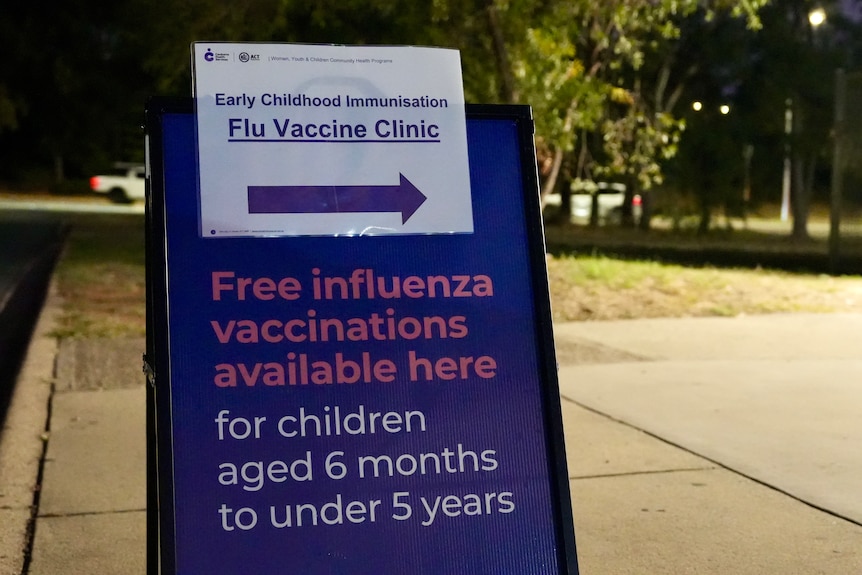
Vaccination figures suggest only one in five children aged between six months and two years old are protected against influenza. (ABC News: Lily Nothling)
He said Australia had an “excellent national immunisation program” that funded influenza vaccines for high-risk people, many states were providing free doses for everyone, and a new needle-free nasal spray was now available for children.
“Yet despite these amazing innovations and increased access, with many pharmacies as well as GP clinics, helping to vaccinate people, we still have that uptake well below where it needs to be,” Professor Griffin said.
He said the global resurgence of preventable diseases such as measles and diphtheria, coupled with emerging threats like hantavirus and Ebola, was “increasingly challenging”.
“I think many people don’t really understand how precarious the current situation really is,” Professor Griffin said.