









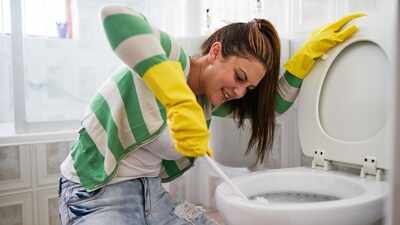
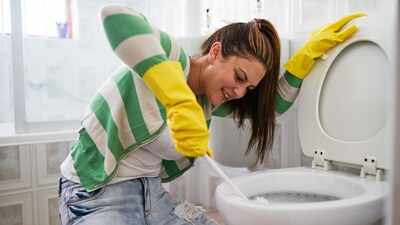
Getting a squeaky-clean bathroom is a task, and many people use more than one cleaning liquid to get there. Bleach for the toilet bowl, a spray for the tiles, maybe something extra for the grout. It feels thorough. It can also be the exact combination that puts you on the bathroom floor.If you clean your bathroom in this manner, you should know the danger lurking around you. A woman recently shared a video of her cleaning the bathroom with the door shut. She passed out after a while, and no, that was not due to exhaustion. Reacting to the viral video, Dr Myro Figura, a board-certified anaesthetist based in Los Angeles, explained what might have gone wrong. It turns out this common cleaning habit can land you in the hospital.
You might be brewing a chemical weapon in there
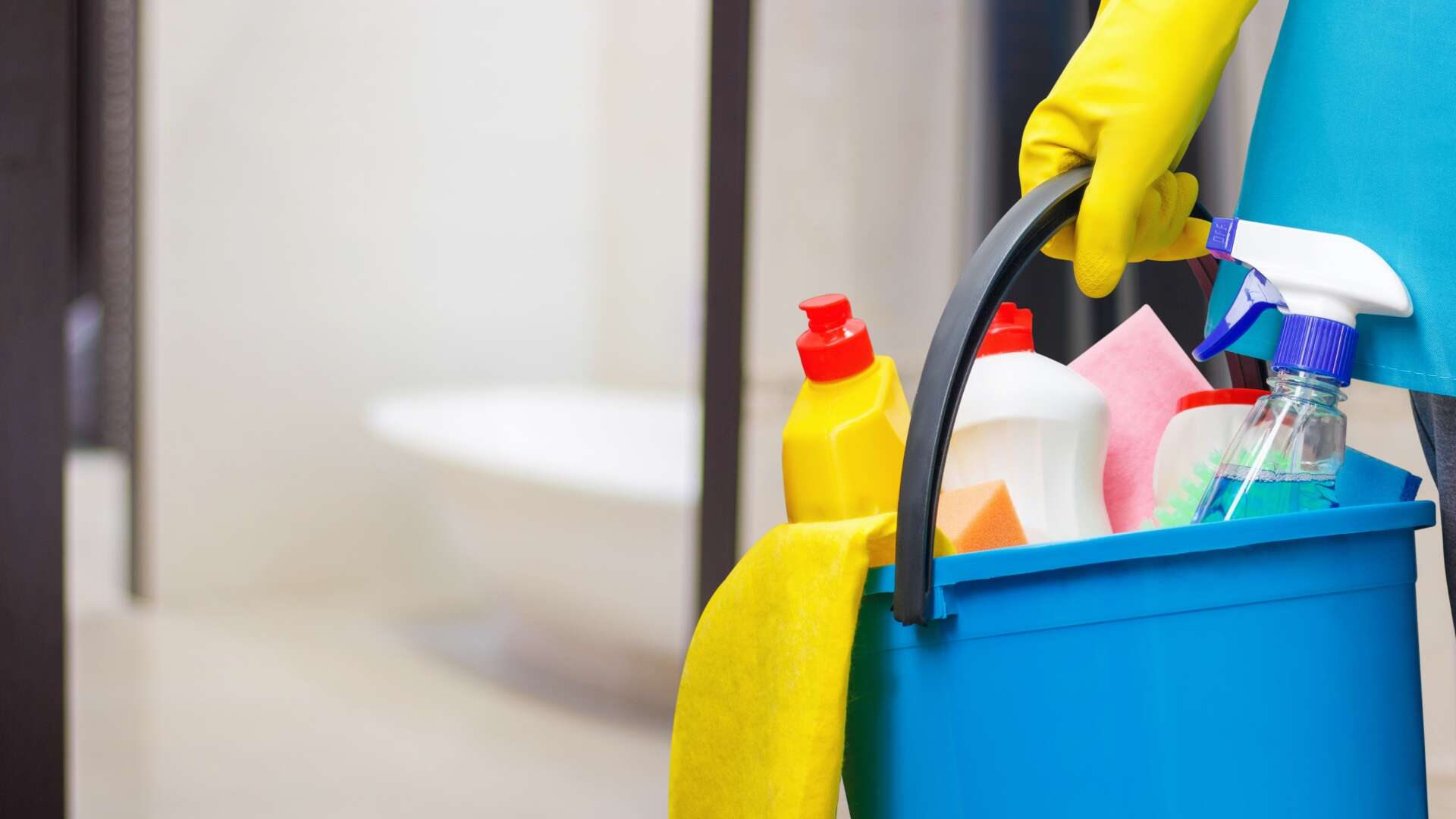
“Congrats, you’ve just made a chemical weapon in your bathroom,” Dr Figura warned, reacting to the video. Mix bleach with an acid, he explained, and it does not matter if that acid is vinegar or an ordinary toilet bowl cleaner. The result is chlorine gas.“Chlorine gas was used as a chemical weapon in World War I. It is highly poisonous, and even brief exposure will put you in the hospital. Lung failure. And all of these chemicals, guys, are toxic,” the doctor added.In households, bleach is often a staple cleaner. So is vinegar. Neither looks dangerous sitting on a shelf. It is only when they are combined in a small enclosed space that the danger shows up.
How to avoid this risk?
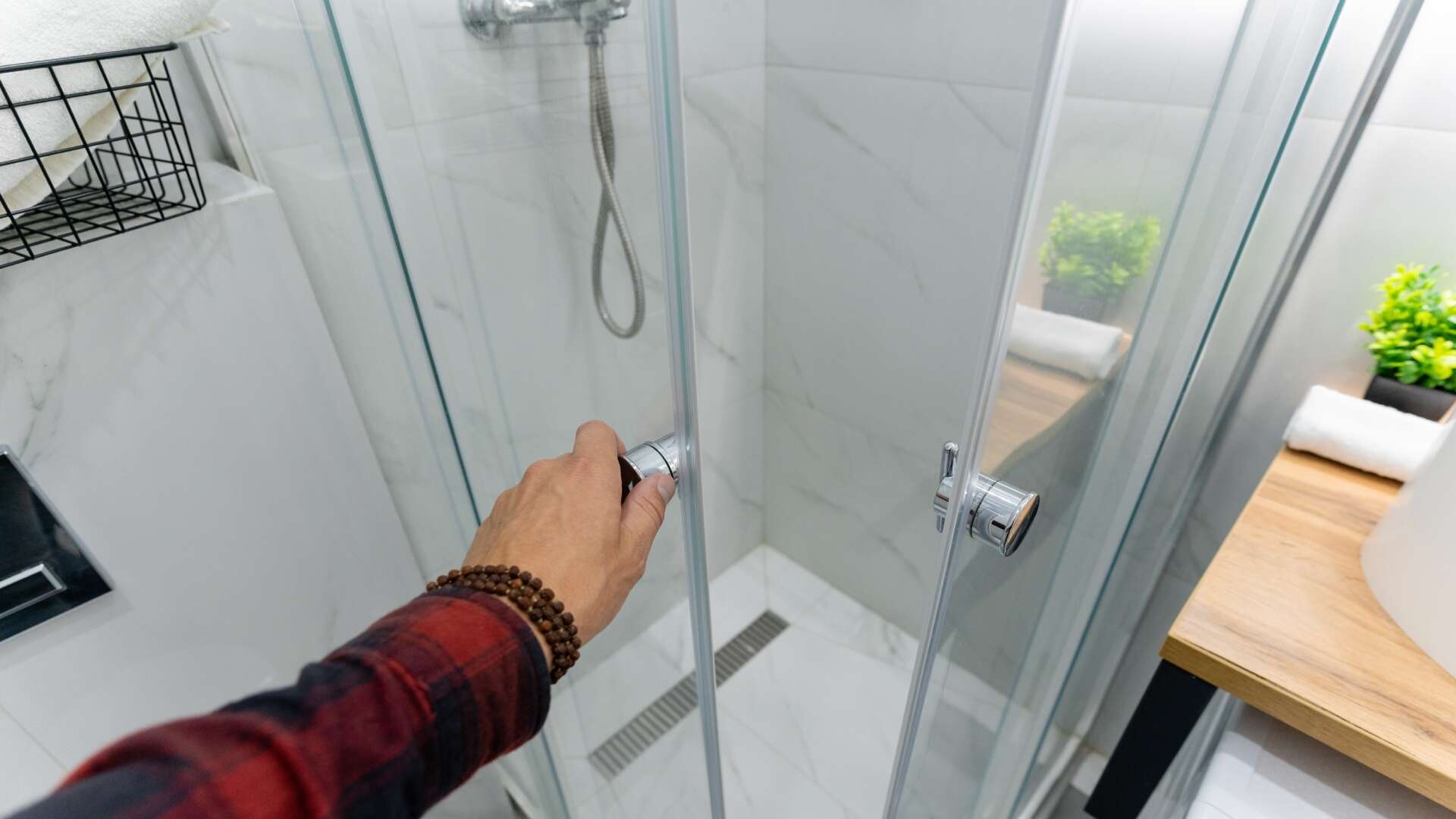
For most people, shutting the door while cleaning may feel like the responsible thing to do. The smell will not enter other parts of the house. But a closed bathroom without proper ventilation acts as a sealed container. The fumes from the cleaning solution will build up and have nowhere to go. This is not a rare, freak accident, either. Poison control centres receive numerous calls every year about accidental exposure to mixed cleaning chemicals, and small, poorly ventilated bathrooms are often the most common sites. Dr Figura’s suggestion? “Clean in well-ventilated areas always.” If your bathroom lacks proper ventilation, keep the door open. Open a window. Run the extractor fan the entire time, not just after.Also, avoid combining cleaning products, especially bleach, with anything else, even if the label does not say ‘acid’. Vinegar does not look dangerous. Neither does a toilet bowl cleaner. But together with bleach, both can turn a routine chore into a trip to the emergency room.
Women are at higher risk
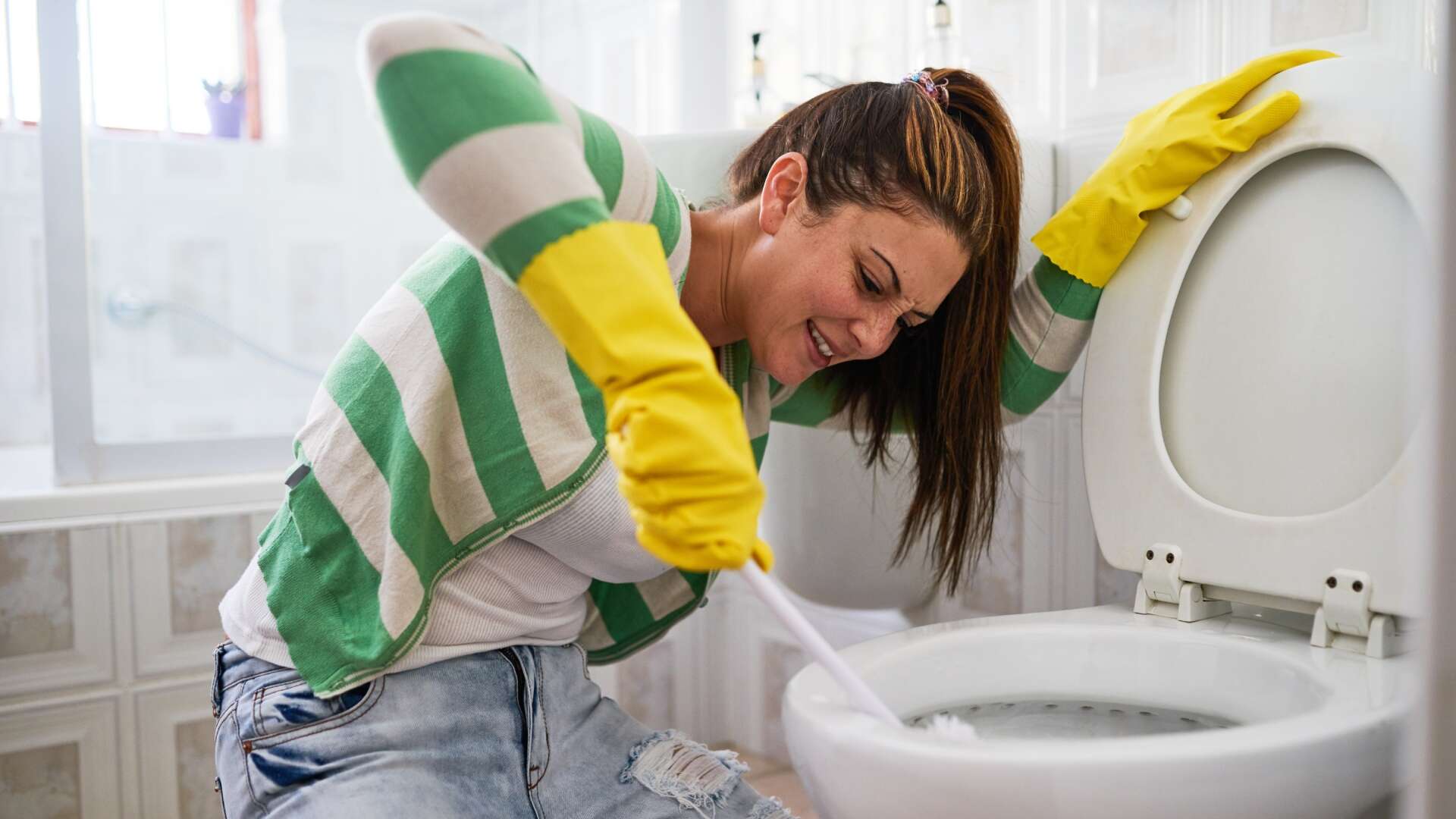
Dr Figura also pointed to a 20-year study from Norway that tracked lung function in thousands of people. “They found that women who clean regularly lose lung function equivalent to that of people who smoke 20 cigarettes per day. Cleaning sprays and agents are the reason,” he explained.Researchers at the University of Bergen in Norway analysed data from 6,235 participants in the European Community Respiratory Health Survey. The participants, whose average age was 34 when they enrolled, were followed for more than 20 years. They found that women who work as cleaners or regularly use cleaning sprays or other products at home appear to experience a greater decline in lung function over time than women who do not clean. The findings are published in the journal ATS.“While the short-term effects of cleaning chemicals on asthma are becoming increasingly well documented, we lack knowledge of the long-term impact,” senior study author Cecile Svanes, MD, PhD, a professor at the university’s Centre for International Health, said. “We feared that such chemicals, by steadily causing a little damage to the airways day after day, year after year, might accelerate the rate of lung function decline that occurs with age.“The likely culprit is repeated, low-level exposure to these sprays and cleaning agents. No single cleaning session causes obvious harm. The researchers also added that long-term exposure can lead to substantial lung damage. “The take-home message of this study is that in the long run, cleaning chemicals very likely cause rather substantial damage to your lungs. These chemicals are usually unnecessary; microfiber cloths and water are more than enough for most purposes,” Svanes added.So the next time you clean the bathroom, ensure it’s ventilated. Or just keep the door open.