








Freshwater lakes occupy only a small fraction of the Earth’s surface, yet they hold an extraordinary share of the planet’s accessible water. They appear in very different landscapes, from Arctic wilderness and temperate forests to tropical basins and ancient rift valleys. Some stretch across international borders, while others lie entirely within a single country. Their sizes vary dramatically, but the largest among them are so vast that they often resemble inland seas.Many of these lakes were shaped by powerful geological forces over thousands or even millions of years. They support fisheries, transportation routes, wildlife habitats and millions of people living along their shores. Looking at the world’s largest freshwater lakes by surface area reveals an interesting pattern as well: North America dominates the list, while Africa is home to several of the planet’s most remarkable inland waters.According to WorldAtlas, you can go through the checklist of the largest freshwater lakes in the world.
Largest freshwater lakes in the world, ranked by surface area
10 largest freshwater lakes in the world
1. Lake Superior
pc: worldatlas
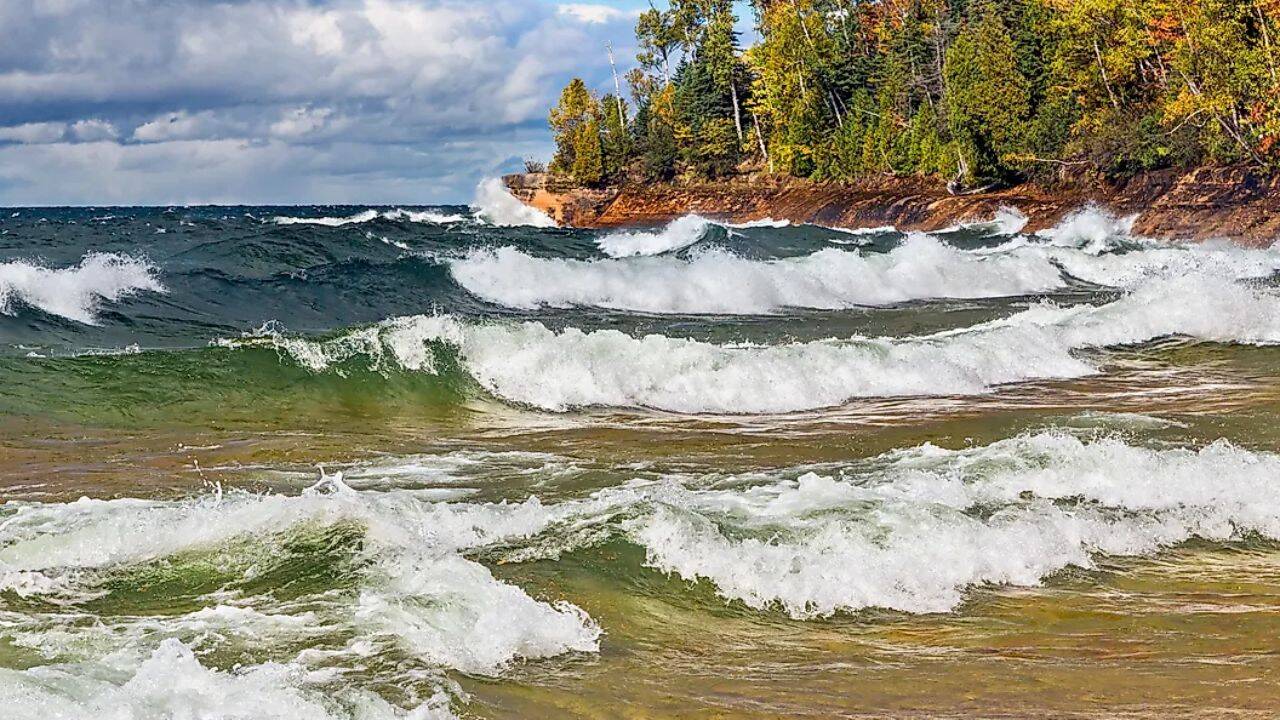
Lake Superior sits at the top of the ranking and remains the largest freshwater lake in the world by surface area. Part of the Great Lakes system, it occupies the north-western end of the chain and is shared between Canada and the United States. Ontario borders its northern shore, while Minnesota, Wisconsin and Michigan’s Upper Peninsula surround the rest of the lake.Its scale is difficult to appreciate from a map alone. The lake stretches roughly 560 kilometres in length and reaches about 260 kilometres across at its widest point. Beyond its immense surface area, it also contains an enormous volume of freshwater, accounting for around a tenth of the world’s surface freshwater reserves. More than 200 rivers and streams feed into it before water continues onward through the St. Mary’s River. Several well-known islands, including Isle Royale and the Apostle Islands, lie within its waters.2. Lake Victoria
pc: worldatlas
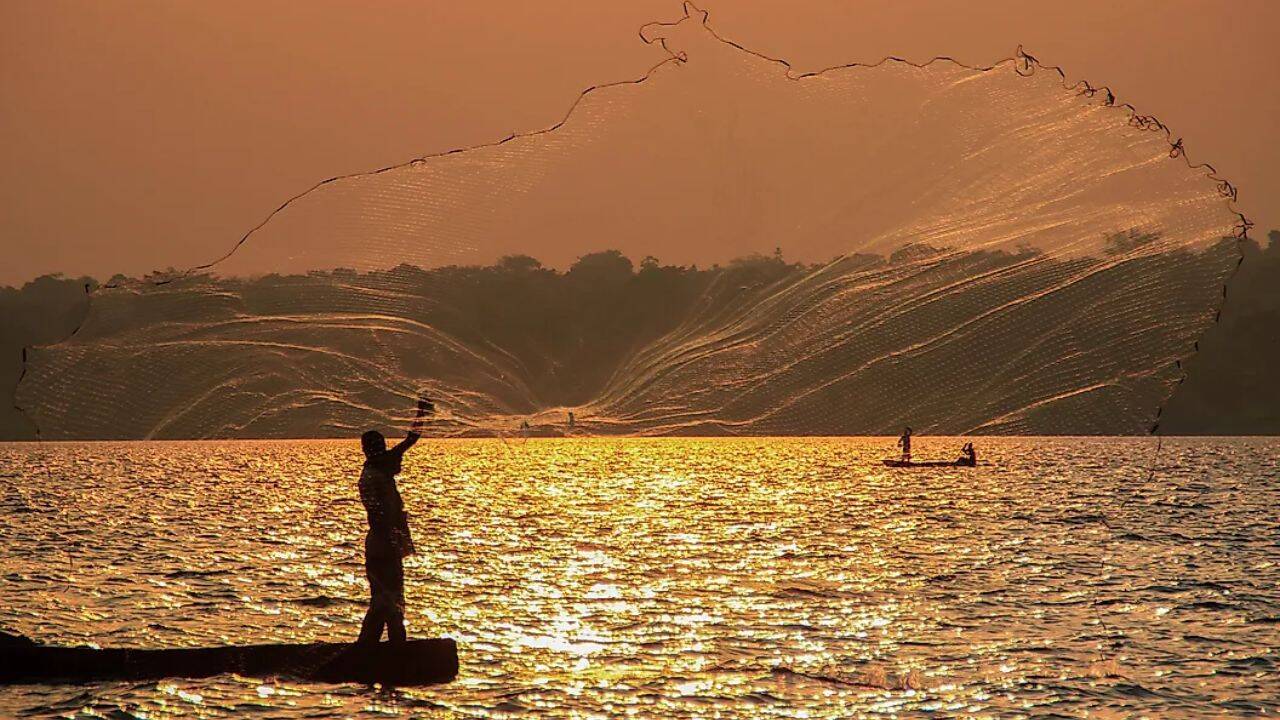
Lake Victoria is Africa’s largest lake and the biggest tropical lake on Earth. Shared by Tanzania, Uganda and Kenya, it occupies a central position in East Africa and forms part of the continent’s famous Great Lakes region.Although vast in area, Victoria is relatively shallow compared with some other lakes on this list. It serves as a major reservoir for the Nile system, with water leaving through the Victoria Nile at the lake’s northern edge. The lake was named by explorer John Hanning Speke after Queen Victoria during the nineteenth century. Numerous islands are scattered across its waters, including Ukerewe and Rusinga.3. Lake Huron
pc: worldatlas
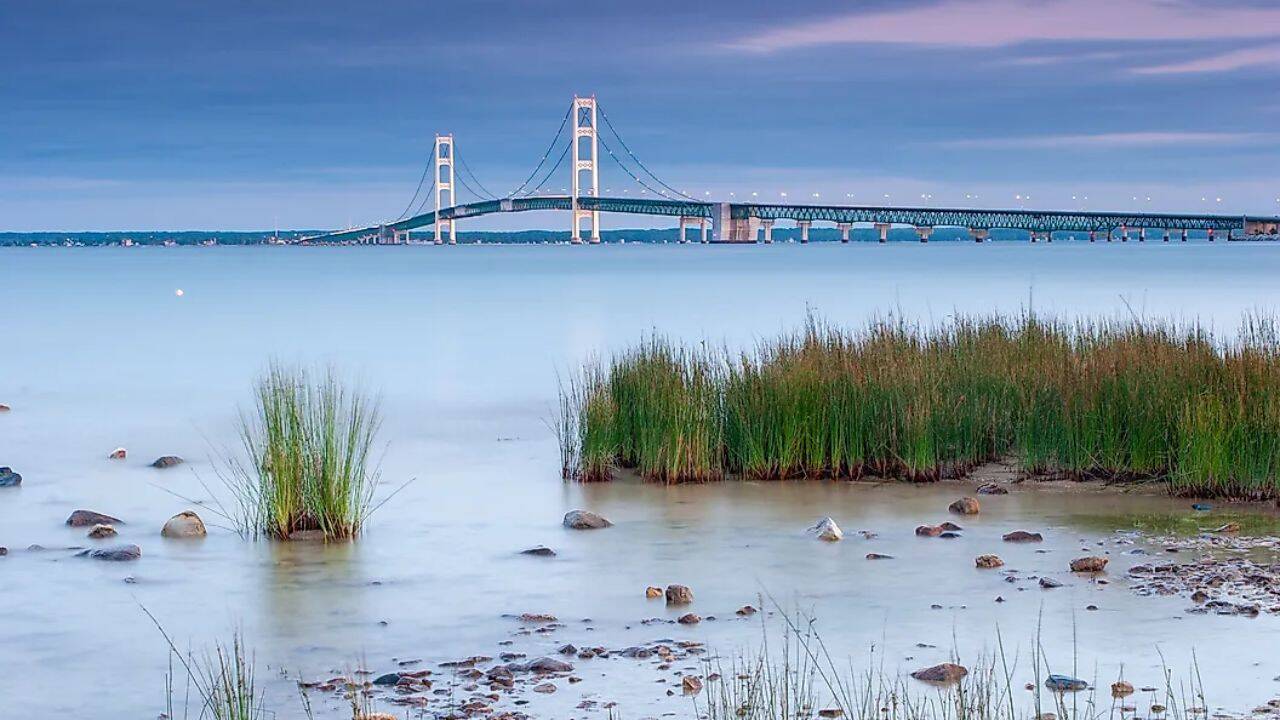
Only slightly smaller than Lake Victoria, Lake Huron ranks third globally by surface area. It forms another major component of the Great Lakes system and lies between the Canadian province of Ontario and the US state of Michigan.The lake extends for roughly 332 kilometres and reaches nearly 295 kilometres at its widest point. Its shoreline is highly irregular, creating countless bays and inlets. One of its most distinctive features is Manitoulin Island, recognised as the world’s largest freshwater island. Lake Huron reaches depths of more than 200 metres in some areas, adding to its considerable water volume.4. Lake Michigan
pc: worldatlas
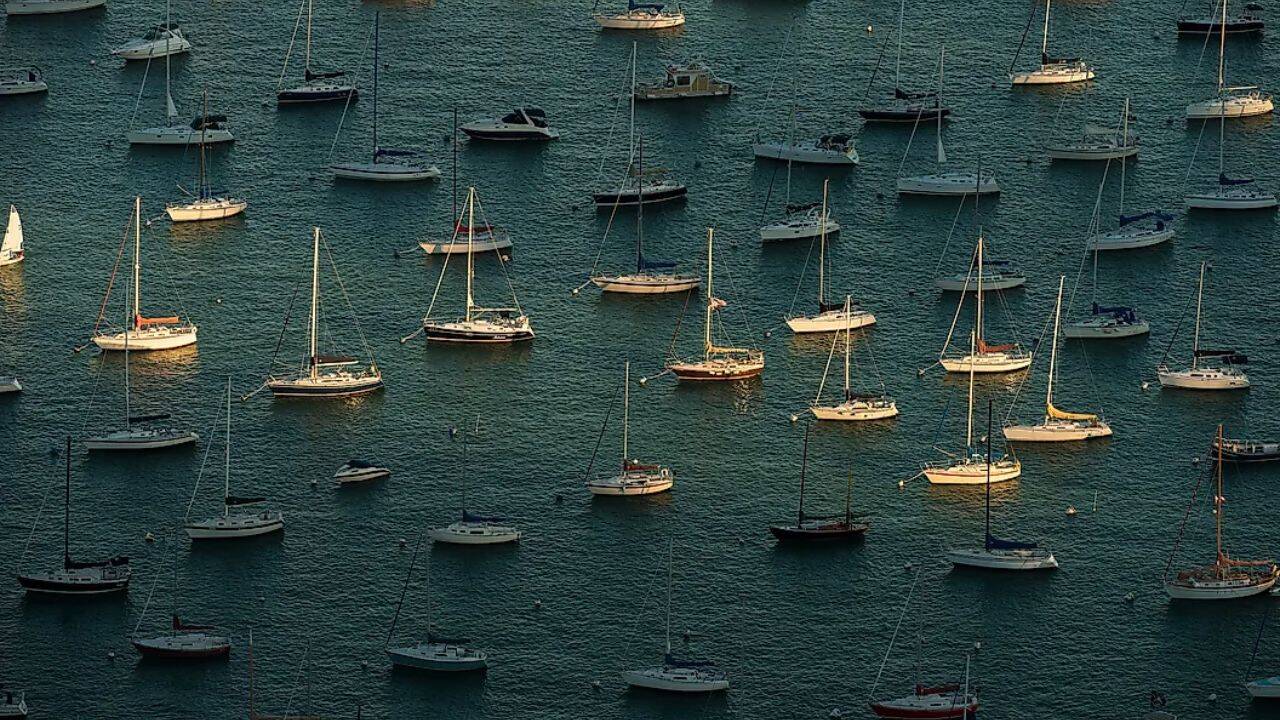
Lake Michigan is unique among the Great Lakes because it lies entirely within the United States. Occupying the western section of the connected Michigan-Huron basin, it borders Wisconsin, Illinois, Indiana and Michigan.The lake stretches nearly 500 kilometres from north to south. At its deepest point, it reaches 281 metres, while the average depth is considerably lower. The Straits of Mackinac link it directly to Lake Huron, creating a hydrological connection between the two vast bodies of water. Major cities, including Chicago, have developed along its shores, making it one of the most economically significant lakes in North America.5. Lake Tanganyika
pc: worldatlas
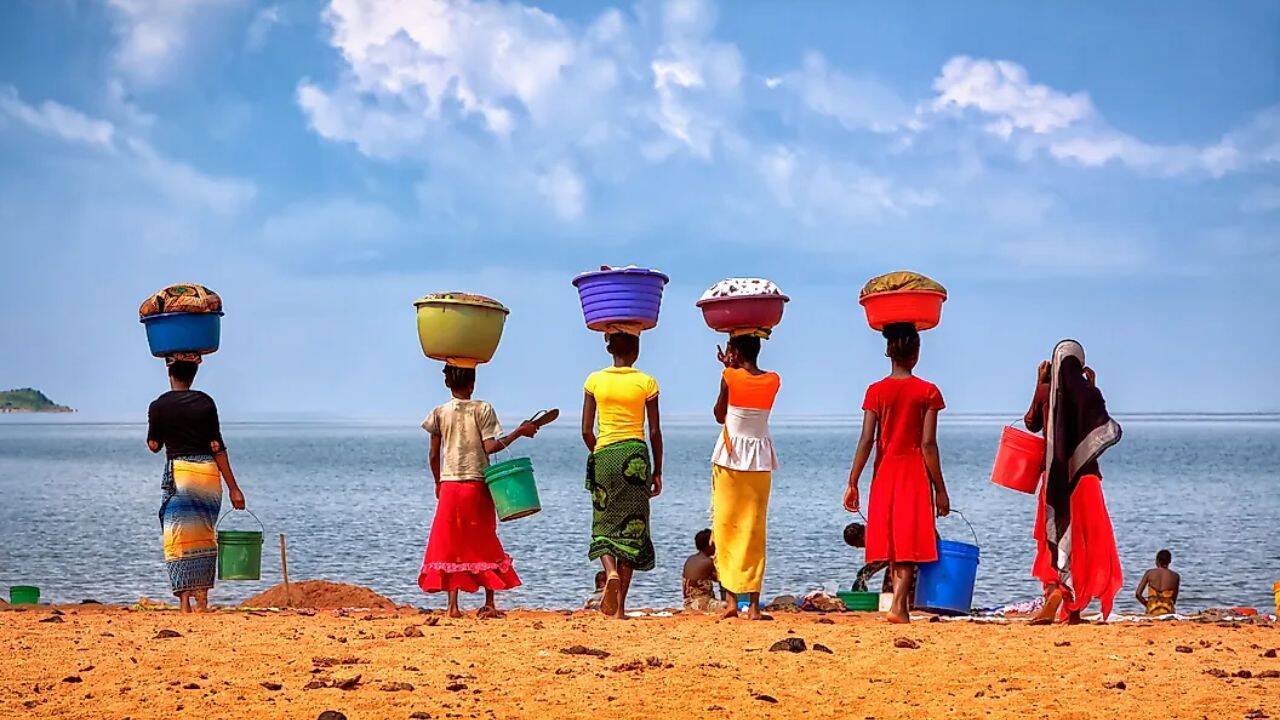
Lake Tanganyika is one of Africa’s most remarkable geographical features. Shared by Tanzania, the Democratic Republic of the Congo, Zambia and Burundi, it occupies part of the East African Rift system.While several lakes on this list cover larger areas, Tanganyika stands out for different reasons. It is the longest freshwater lake in the world and ranks second globally by volume. It is also among the oldest freshwater lakes known. Its maximum depth reaches around 1,470 metres, making it Africa’s deepest lake. Water enters from rivers such as the Ruzizi and Malagarasi before eventually leaving through the Lukuga River and joining the Congo River system.6. Lake Baikal
pc: worldatlas
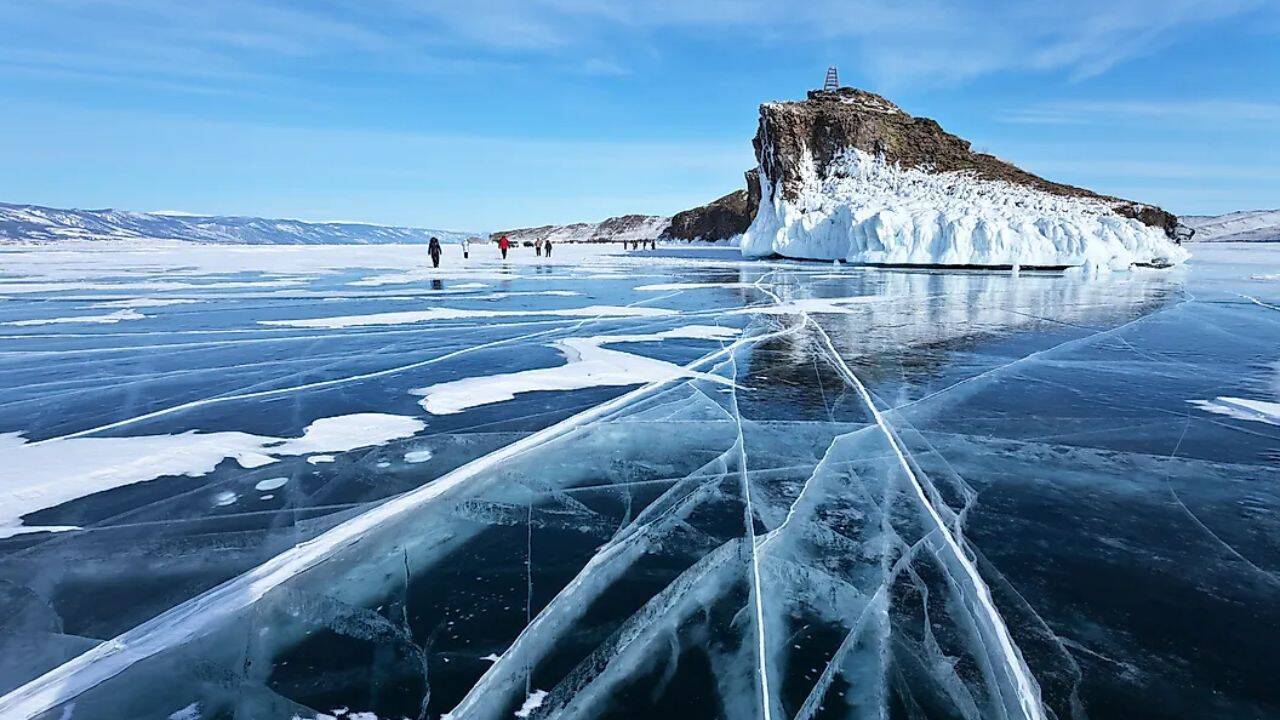
Deep in southern Siberia lies Lake Baikal, often regarded as one of the most extraordinary lakes on Earth. Although it ranks sixth by surface area, it contains more freshwater than any other lake in the world. Roughly 23 per cent of the planet’s freshwater is stored within its basin.Baikal occupies a tectonic rift valley and reaches a staggering depth of 1,642 metres, making it the deepest lake on Earth. Rivers including the Selenga, Barguzin and Turka flow into the lake, while the Angara River serves as its sole outflow. In recognition of its environmental and scientific importance, UNESCO added Lake Baikal to its World Heritage List in 1996.7. Great Bear Lake
pc: worldatlas
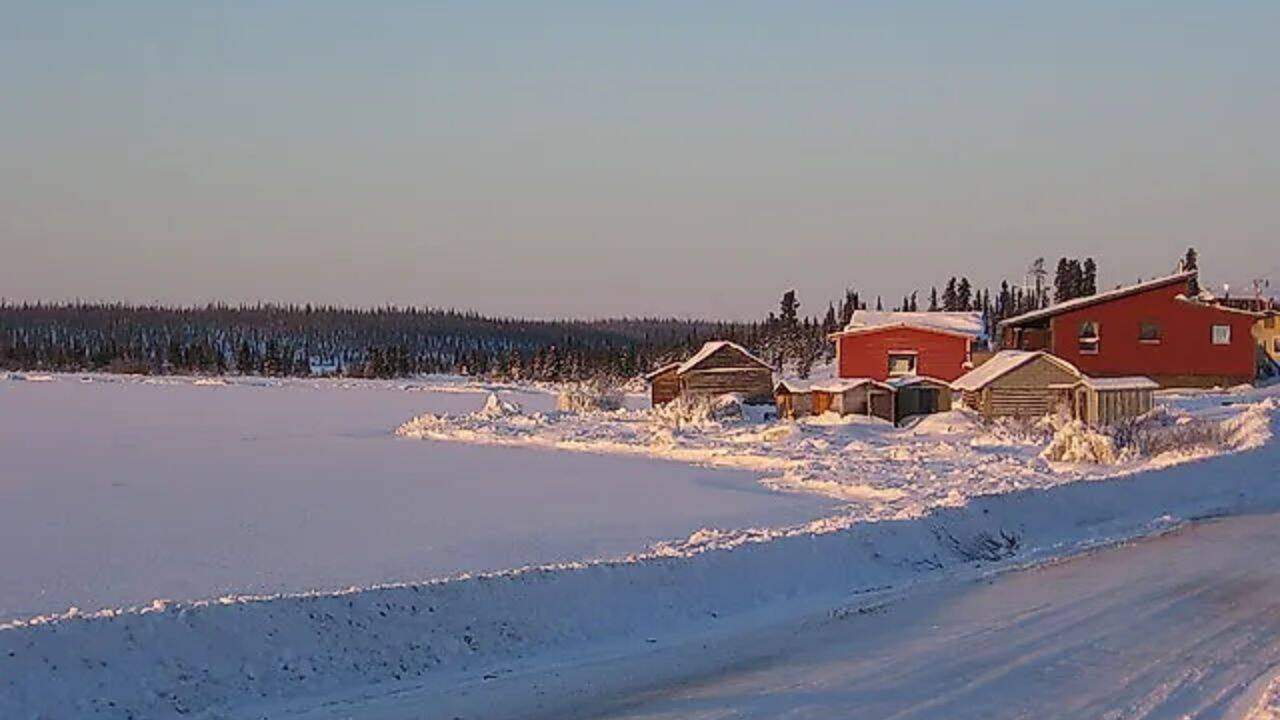
Located within Canada’s Northwest Territories, Great Bear Lake is the country’s largest lake entirely contained within national borders. Its northern position places much of it near the Arctic Circle, where long winters and cold conditions shape the surrounding landscape.The lake has an irregular outline with several large arms extending from its centre. It reaches depths exceeding 400 metres and receives water from rivers including the Haldane, Whitefish and Big Spruce. Water eventually exits through the Great Bear River before joining the larger Mackenzie River system.8. Lake Malawi
pc: worldatlas
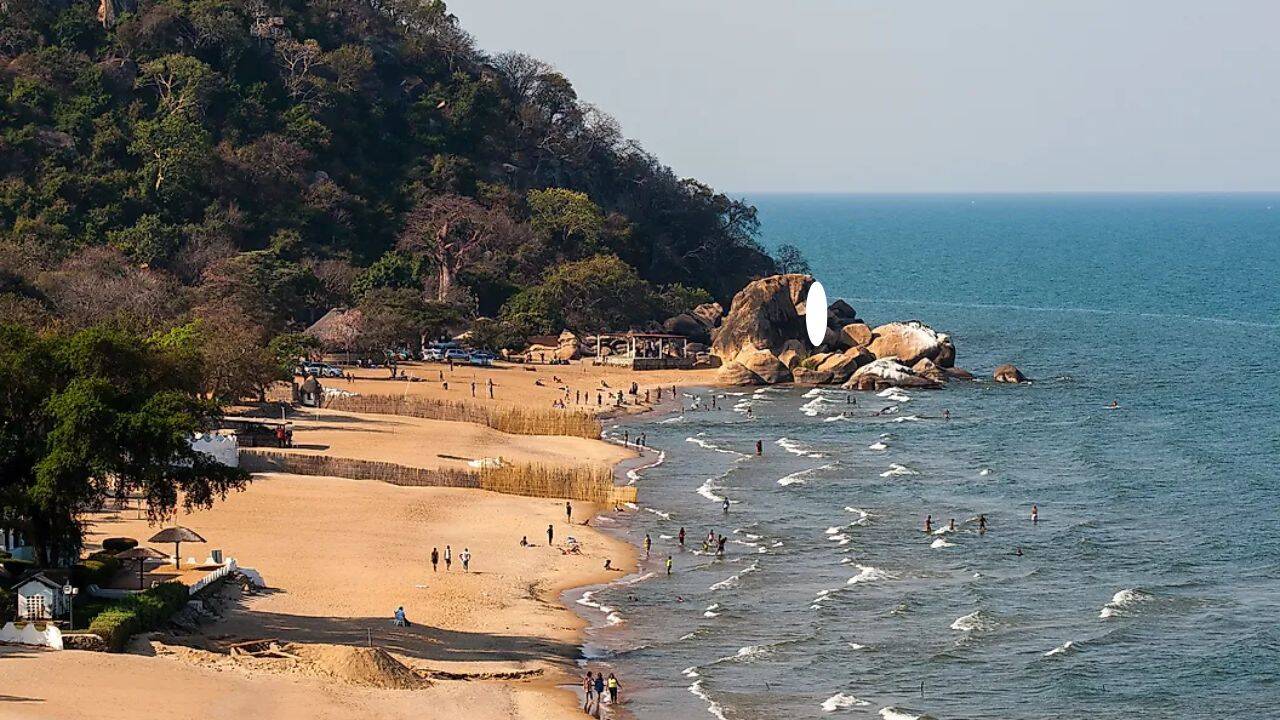
Lake Malawi, also known as Lake Nyasa in Tanzania and Lago Niassa in Mozambique, occupies part of the East African Rift Valley. Shared by Malawi, Mozambique and Tanzania, it ranks among Africa’s largest lakes.The lake extends for more than 560 kilometres and is relatively narrow compared with its length. Depths reach more than 700 metres in certain sections, making it Africa’s second-deepest lake. The Ruhuhu River is the largest contributor among the streams flowing into the lake, while the Shire River carries water southward toward the Zambezi basin.9. Great Slave Lake
pc: worldatlas
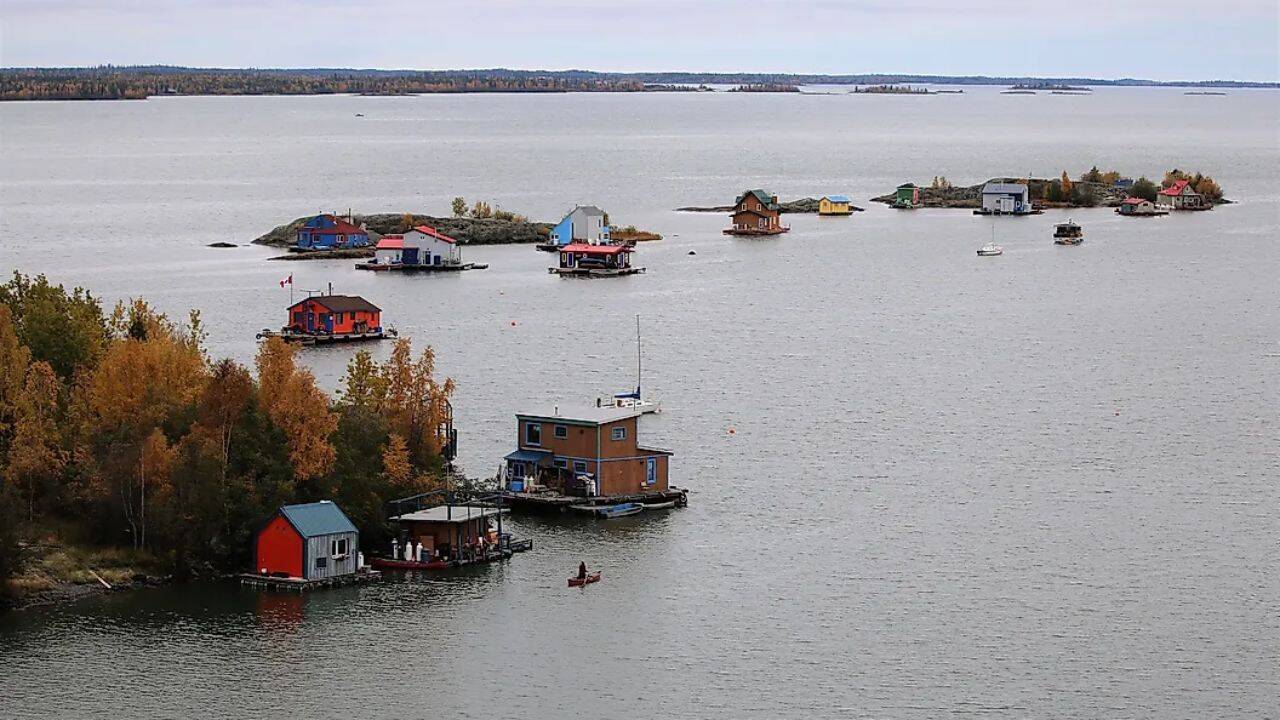
Another Canadian entry appears in ninth place. Great Slave Lake lies entirely within the Northwest Territories and is recognised as the deepest lake in North America.Its waters descend to around 614 metres below the surface at the deepest point. The lake receives inflow from several rivers, including the Slave, Hay and Taltson rivers. Water then leaves through the Mackenzie River, which ultimately drains northward into the Arctic Ocean. The city of Yellowknife sits on its northern shore and serves as one of the region’s principal communities.10. Lake Erie
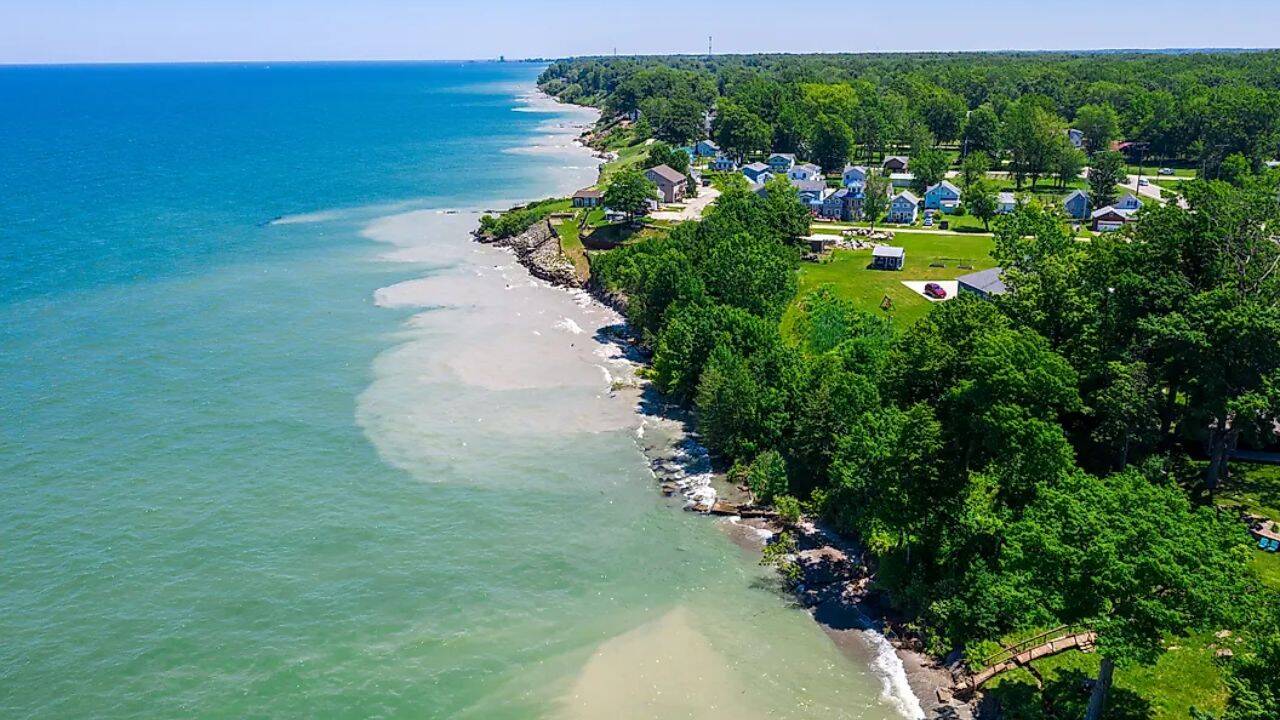
pc: worldatlas
Rounding out the top ten is Lake Erie, the southernmost of North America’s Great Lakes. Shared by Ontario and four US states, Michigan, Ohio, Pennsylvania and New York, it covers more than 25,000 square kilometres.Compared with the other Great Lakes, Erie is relatively shallow. Its average depth is only about 19 metres, while the deepest point reaches 64 metres. Rivers including the Detroit, Huron and Buffalo flow into the lake. Water exits through the Niagara River, continuing toward Lake Ontario. Despite being the smallest Great Lake by volume, it remains one of the continent’s most important freshwater systems.Taken together, these ten lakes account for an immense share of the world’s freshwater resources. Most are found in North America, while several of Africa’s great rift lakes also feature prominently. Their size, depth and ecological significance vary widely, yet all play an important role in supporting surrounding communities, wildlife and regional water systems.