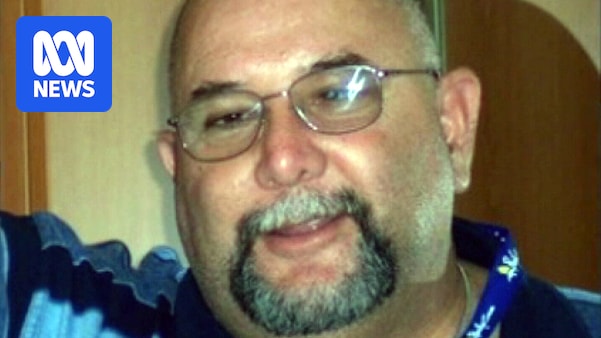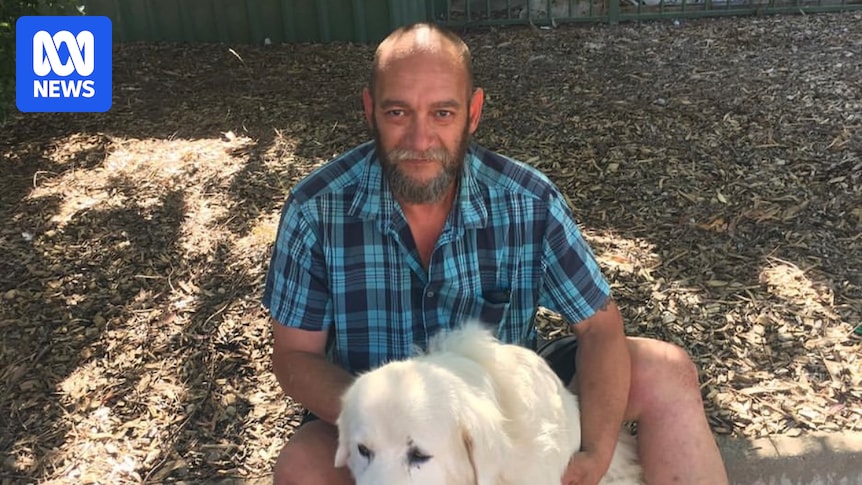









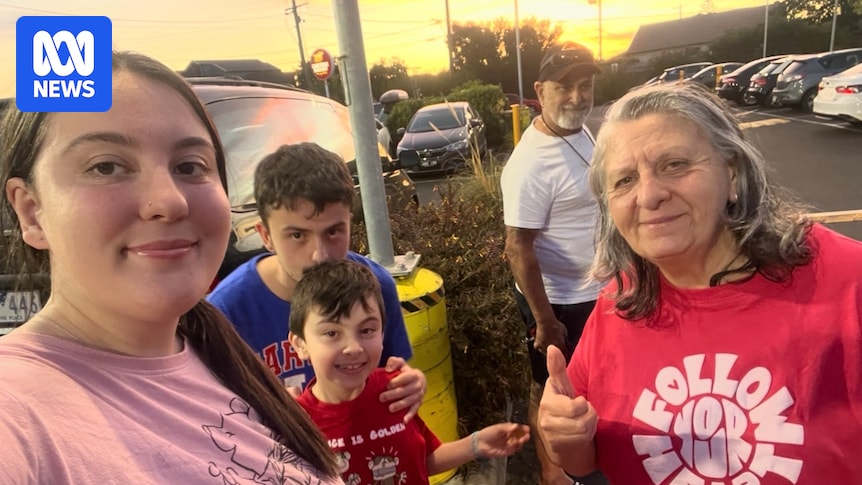
Kenny Davis and Naomi Bonacci-Rocca were both younger than 10 when their caring responsibilities began at home.
They are two of Australia’s 391,000 young people under the age of 25 caring for or supporting family members or friends.
It has had a massive impact on their schooling and friendship groups, and as they have grown up, their caring duties have not only continued but have expanded to include supporting other members of their family.
These are their words.
I saw there was a need and stepped up
Kenny, 17 years old from Toowoomba:
I care for my mum and my brother, and I’ve been a carer for about eight years.
It started as just some helping around the house, administering my mother’s medication and then just helping where I could with cooking and cleaning.
Kenny Davis, 17, has been caring for his mother for eight years. (Supplied: Kenny Davis)
It was something I kind of naturally fell into, I saw there was a need there and stepped up to help.
My mum suffers from arthritis and wakes up most mornings not having the normal mobility of a 40-year-old woman.
So, it’s a matter of, if she can’t move I grab our massage gun and massage her spine and hips just to help her get that mobility.
Then my brother, who is a year older than me, became sick with viral meningitis in 2021.
He couldn’t do the daily necessities … being able to get up out of bed, walk around, go to the toilet by himself, shower himself, feed himself.
So not only did I find myself sort of helping mum, but now I was also helping my brother with daily necessities.
He’s still having these side-effects now, they’re lifelong.
I don’t think Mum and my brother could describe how much they appreciate the help around the house.
Naomi, 23 years old from Melbourne:
I started caring around the age of seven and at the time I was a carer for my mum.
She had a lot of mental health issues, including a hoarding disorder.
She had quite a lot of postpartum depression after she gave birth to my brother.
So, my role started with helping her and then caring for my brother once she had him too, changing his nappies, making food, and just trying to get her out of bed most days.
I didn’t really have much of a choice.
Now I care for both of my grandparents and two of my siblings, who both have autism and ADHD.
There’s a lot of advocating for things like NDIS [the National Disability Insurance Scheme], a lot of emotional regulation, making food for them.
My grandpa had a workplace accident a couple years ago where he’s injured his hand and had a finger amputated.
So I drive him to all of his appointments, and I help him manage his medications.
I ended up falling through the cracks at school
Kenny: Being a carer has required me to have time away from school at times.
When my brother first got sick, I spent six months away from school helping him.
The school was constantly asking where I was, and all Mum could say was “my son is sick and Kenny is helping”.
I think there needs to be greater awareness within the education system that some young people have these added responsibilities at home.
I think every school should also have at least some sort of program just to spread that awareness through the community about the young caring role that some people might have.
Naomi has been caring for family members since she was seven. (Supplied: Naomi Bonacci-Rocca)
Naomi: When I was really young, I would just miss school, my mum didn’t take me.
Then I got into my grandma’s care, and I’d go to school on the days that my brothers were OK.
But oftentimes, I’d fall asleep in school, or I just wouldn’t do any of the work, sometimes I’d use my lunch breaks to do the work that I had missed.
But I ended up just falling through the cracks anyway.
My teachers didn’t really sit down and help me with things that I was struggling with, they just kind of felt bad, so I got passed on assessments that I didn’t submit.
I feel like I lost a lot of my normal childhood when I was in primary school.
I didn’t really get to hang out with my friends because I was hardly at school and same with high school.
I didn’t get invited to parties because they knew my answer was always going to be no.
It sounds cliché but you are not alone
Naomi: Growing up as a young carer I didn’t really feel like people understood why I would have to cancel plans, so it just got to a point where I wouldn’t make plans.
Now I’m more open about it and I share my story.
So, if people don’t understand, then I’m not there to please them.
I guess it’s a little bit easier now because my brothers are a bit older, so they’re a little bit more independent.
I’m studying interstate to become a zookeeper, I also work and I manage my own health issues.
I do a lot of advocacy work with Carer Gateway, Little Dreamers and Carers Australia.
Being able to advocate for other people, especially in my age bracket, is really important to me.
It’s made any hardship that I’ve gone through worthwhile if it means that I can pave the way for future young carers.
Kenny: I would say don’t be afraid to reach out to support organisations if you’re not doing well and let them know you’re not OK.
There have been some days where I’ve been a bit rougher mentally, but then I remember that I’m not alone in this and I’ve got the support there.
Little Dreamers have put me in contact with a psychologist or provided some peer support.
They’ve given me respite, they’re always there to listen and comfort you
Loading…