







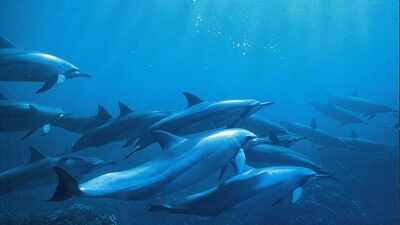
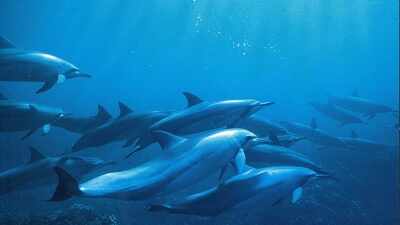
Spinner dolphins are among Hawaii’s best-known marine animals that attract thousands of visitors every year who gather to watch them leap, spin, and socialise in the island’s sheltered coastal bays. However, scientists have now cautioned that this tourism built around them might be placing them under chronic stress. A new study published in Endangered Species Research found that calves account for only around 9% of the spinner dolphin population in Hawaii, nearly half the 17% expected in a stable, self-sustaining population. Therefore, researchers say that this demographic imbalance could indicate that the isolated population is not producing enough young dolphins to maintain its numbers over time. Notably, as per the study findings, the long-term human disturbance may be affecting dolphins’ reproduction and calf survival.Survey revealed an unexpectedly low number of calvesScientists from the Marine Mammal Research Program at the University of Hawaii at Manoa led the research while collaborating with the United States. To estimate the population’s age structure, researchers used drone photography to measure the body lengths of free-swimming spinner dolphins. They then combined the gathered data with age and growth information from stranded dolphins collected by the UH Health and Stranding Lab, thus building the first age-length growth curve for this specific population. Using the same approach, the scientists then classified individuals into calves (under two years old), juveniles (two to nine years old), and adults (older than nine years). The age profile revealed far fewer calves than expected, indicating that the population might not be replacing itself quickly enough to remain stable over a long period.
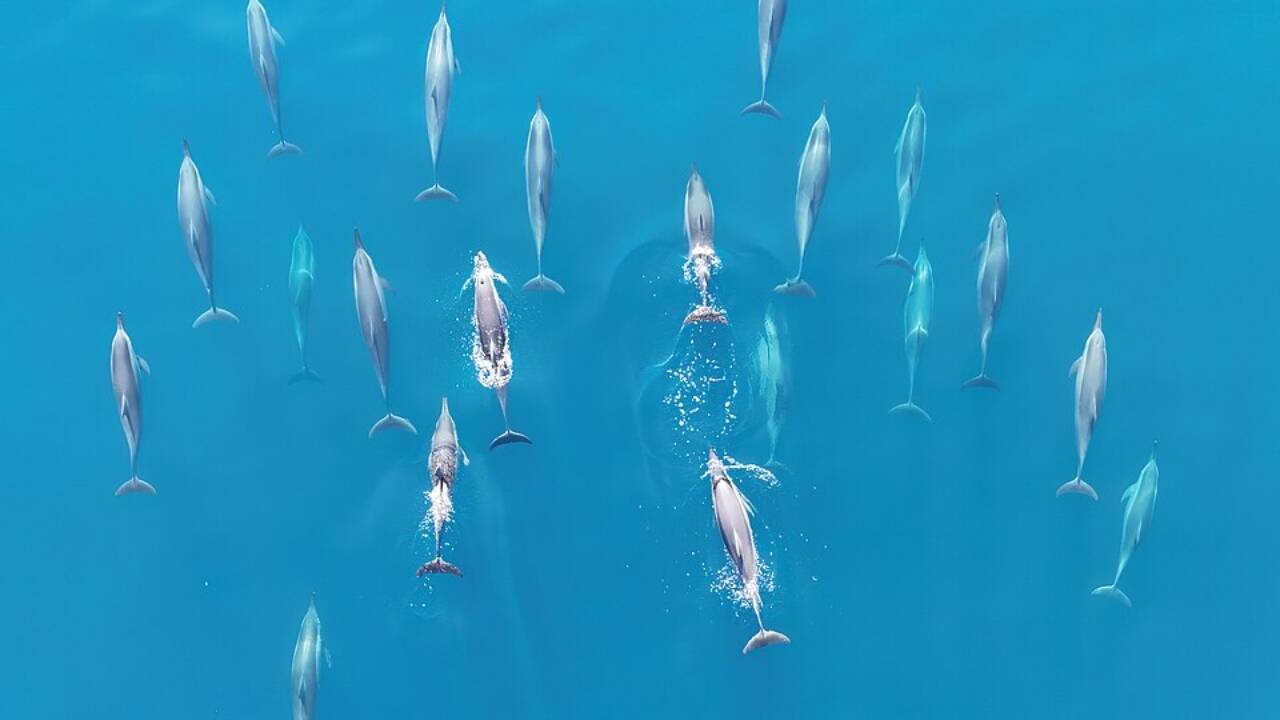
Representative image of spinner dolphins. Image credits: Wikimedia Commons
It is worth noting that unlike many dolphins, Hawaiian spinner dolphins follow a highly predictable routine where they spend the nights offshore to hunt fish and squids before returning to calm and shallow coastal bays during the day to rest and recover. Researchers suggest that this daytime resting period gets overlapped perfectly during peak tourism activities. Lead author Fabien Vivier shared that the evidence points to chronic human interference during these critical resting hours likely contributing to the reduced reproductive success and lower calf survival. Moreover, previous studies have identified the Hawaiian spinner dolphin population as having one of the highest levels of human disturbance recorded for dolphins anywhere in the world, making these recent findings more concerning. Why calf number matters for population survivalPopulation age structure is widely regarded by ecologists as one of the earliest indicators of long-term population challenge. In healthy wildlife populations, calves and juveniles continuously replace ageing adults, thus ensuring stable numbers across generations. Therefore, when young animals become disproportionately scarce, scientists often interpret the pattern as an early warning sign of declining reproduction. Researchers are now stressing that while tourism generates substantial economic benefits, long-term conservation will be essential to ensure that the species continues to thrive. Therefore, to tackle the rising challenges, in 2021, the U.S. National Oceanic and Atmospheric Administration introduced regulations that instruct people and vessels to remain at least 50 yards away from the Hawaiian spinners. However, the U.S. Marine Mammal Commission and Pacific Scientific Review Group argued that distance restrictions alone might not be adequate to protect these animals. Instead, the authors of the study recommend introducing time-area closures, thus temporarily restricting human access to important resting bays during daylight hours so dolphins can rest undisturbed. Researchers say that understanding these impacts can now help prevent irreversible population declines while allowing tourism and conservation to co-exist more sustainably.