








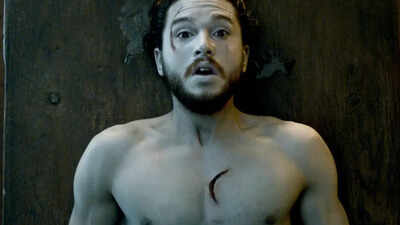
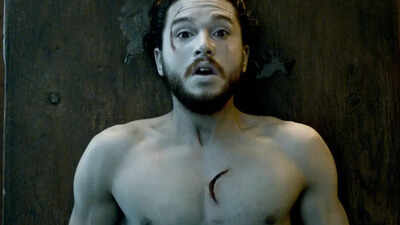
Picture this: A patient suffers cardiac arrest. The medical team jumps into action — compressions, drugs, the whole routine. After what feels like forever, nothing’s worked. The doctor calls the time of death. Then, out of the blue — a pulse. The heart kicks back in. The “dead” patient is suddenly alive again.Yes, it sounds like a dramatic movie twist, just like revisiting the episode of Game of Thrones where Jon Snow came back to life — but it’s real. They call it the Lazarus syndrome.This bizarre phenomenon, sometimes called autoresuscitation, has mystified doctors and scientists for decades. It’s incredibly rare, but it’s happened enough for the medical world to take notice and even update its protocols because of it.
What is Lazarus Syndrome, really?
Simply put, Lazarus syndrome means someone’s heart starts beating again on its own after all attempts at resuscitation have stopped and doctors have declared them dead. The name of this condition comes from the biblical story of Lazarus, who, according to the New Testament, was raised from the dead after four days. The medical phenomenon was first described in scientific literature in 1982, while the term “Lazarus phenomenon” was introduced in 1993. However, it’s important to note that in real life, it’s a matter of minutes, not days — most cases pop up soon after doctors stop CPR.
How rare is it?
It’s about as uncommon as medical mysteries get. Up to the end of 2022, there were 76 published cases worldwide across 27 countries. Experts believe that the real number could be a bit higher, as not every case gets reported. However, we’re talking about a handful among millions of cardiac arrest cases.It can happen to anyone, from babies to the elderly. Some “come back” just for a short time before passing away again; a tiny number make a full recovery, but that’s not the norm.
How can a ‘dead’ person come back?
Here’s where it gets weird. There isn’t a single answer that fits every case. One big theory involves pressure changes inside the chest during CPR. While CPR is happening, air and pressure can build up in the chest, making it hard for blood to flow back to the heart. Once compressions stop, that pressure might drop just enough for the heart to restart. This process is sometimes linked to a phenomenon called auto-PEEP, which is a form of trapped air pressure in the lungs.Other possible reasons include delayed effects of certain drugs administered during resuscitation, hypothermia, severe chemical imbalances (like high potassium), drug overdoses, and sometimes just faint signs of life that were too subtle to notice at first.It’s also possible the heart wasn’t truly “out” — it just took a little longer to get moving again.
What happens next?
The outcomes vary widely. Some patients only revive briefly; others survive days, weeks, or even longer. A lucky few have come back and gone on with their lives as if nothing had happened. Most don’t survive long-term, often because the problem that caused their cardiac arrest in the first place is just too serious.Even if circulation returns, long stretches without oxygen can still hurt the brain. Survival doesn’t always mean a full recovery.
How has Lazarus Syndrome changed medicine?
Because of this phenomenon, some hospitals now recommend watching a patient for at least ten minutes after ending resuscitation before making the death call. That way, if spontaneous circulation returns, the team’s still there.Lazarus syndrome has also triggered tough conversations about organ donation, when to start post-mortem work, and exactly how we define death. The bottom line: doctors now take a more cautious approach when deciding that a person is truly gone.
Lazarus Syndrome: One of medicine’s big mysteries
Despite all the science in emergency medicine, Lazarus syndrome remains mysterious. It’s not about miracles or horror stories — just a rare, complex physiological event where life appears to restart after all hope is lost.For scientists, it’s a reminder that the body keeps some secrets to itself. For doctors, it underscores the need to double-check before making the call.And for the rest of us? It’s a strange, unsettling, Jon Snowy, and oddly hopeful glimpse into the blurry line between life and death.