








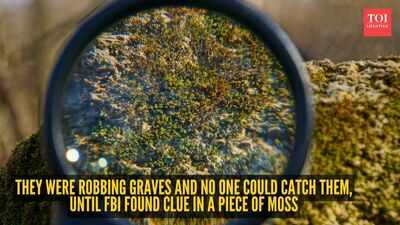
What started as a disturbing cemetery scandal outside Chicago ended with an unlikely forensic hero: a small clump of moss. In a case that sounds like it belongs in a crime thriller, FBI investigators and scientists used plant evidence to help convict four cemetery workers accused of digging up graves, moving the remains, and reselling burial plots.The case centered on Burr Oak Cemetery in Illinois, where the alleged scheme came to light in 2009. Investigators said the workers had been exhuming older graves, dumping the bodies elsewhere on the grounds, and then selling the plots again as if nothing had happened. After forensic examination, prosecutors argued that around 1,500 bones from at least 29 people had been illegally removed and relocated within the cemetery’s 150-acre property.It was a shocking case on its own, but the scientific breakthrough that helped bring it home was even more unexpected. The first full scientific account of the investigation has now been published, and it shows how a simple patch of moss helped connect the dots, as per a report by Science Alert.
A phone call from the FBI

Representative image
Matt von Konrat, head botanist at the Field Museum in Chicago and lead author of the study, said the whole thing began with a phone call in 2009. The FBI wanted help identifying some plants found during the investigation, and von Konrat was asked to take a closer look.Among the material presented to him was a piece of moss discovered about eight inches below the surface, right alongside human remains investigators believed had been buried again after being moved. At first glance, it seemed like a tiny and unremarkable clue. But to the scientists, it was potentially very important.Von Konrat and his colleagues identified the moss as common pocket moss, scientifically known as Fissidens taxifolius. They then compared it with mosses growing elsewhere in the cemetery and found the same type in another area — the location investigators suspected the remains had originally been removed from.That was the first major break. It linked the site where the graves had allegedly been disturbed with the place where the bodies were later found.
Why the timeline mattered
Of course, matching the moss to two locations was only part of the puzzle. Prosecutors also needed to prove when the disturbance happened. The workers’ defense, as so many criminal defenses go, was essentially that the grave-robbing happened before they were employed there. If that were true, they could not be held responsible.So investigators needed a way to date the moss itself.That is where things got fascinating. Mosses may look soft and fragile, but they have unusual biological properties. According to von Konrat, even dry or preserved moss can still retain a small amount of metabolic activity, and that activity decreases over time. In other words, moss can still carry a kind of biological memory.To estimate the age of the sample, the researchers studied chlorophyll, the green pigment that plants use to capture light for photosynthesis. As moss ages and decays, chlorophyll breaks down. By comparing light absorption in moss samples of known age, the team could estimate how old the crime-scene moss had been.The result was critical. The moss was only about one to two years old, meaning it had been disturbed during the period when the defendants were working at the cemetery. That directly challenged their timeline and helped strengthen the case against them.In 2015, the cemetery workers were convicted of desecrating human remains.
An unlikely forensic witness
Representative image
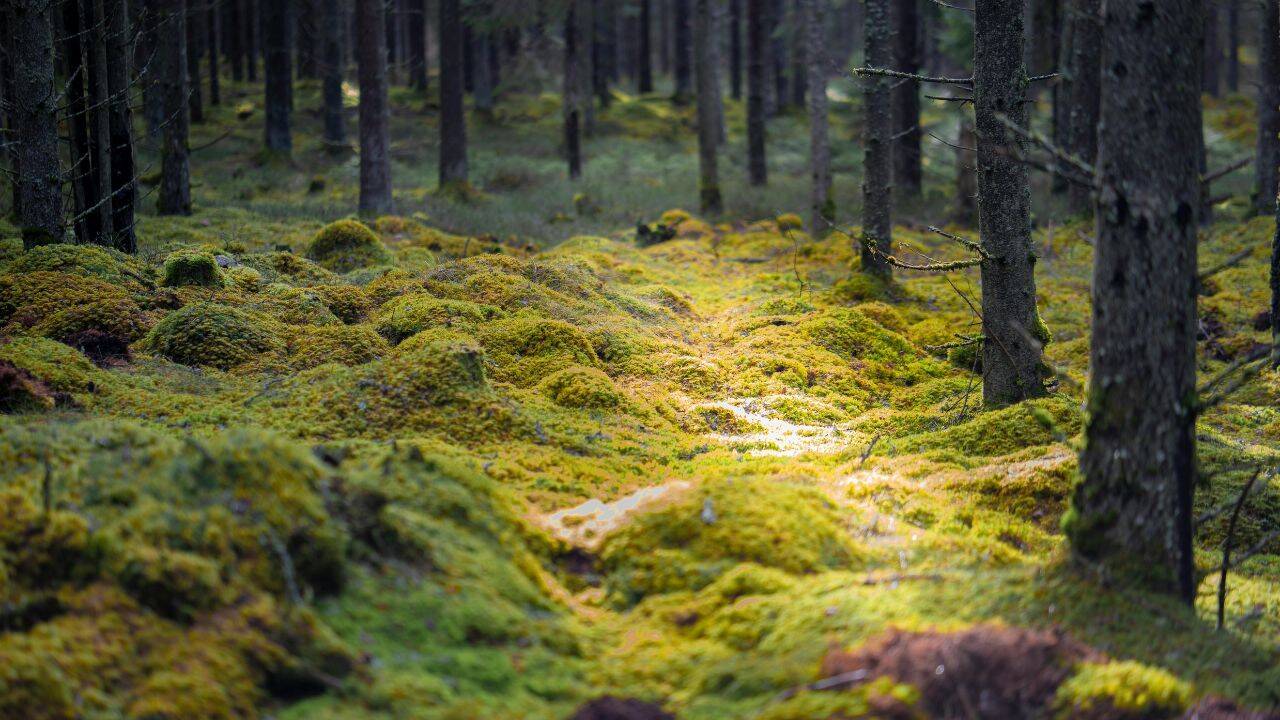
Plant evidence is not usually the first thing people think of in a criminal investigation. Most of the time, forensic teams rely on fingerprints, DNA, surveillance footage or witness testimony. Moss, by contrast, is easy to overlook.That is exactly why this case stands out.To see how unusual it really was, von Konrat and his colleagues later reviewed crime files from the past century to find other cases where mosses or similar plants had been used as evidence. The search turned up only a small number — roughly a dozen or so. That means this kind of evidence is rare, but it also suggests it may be underused.The researchers say that forensic teams should pay more attention to bryophytes, the plant group that includes mosses, because these tiny organisms can provide valuable clues when investigators know how to read them. In the right case, a patch of moss can do what bigger, more obvious evidence cannot: quietly connect a person, a place and a moment in time.
Why this story sticks
There is something almost cinematic about the case. A cemetery grave-robbing scheme had been hidden in plain sight, and the clue that helped crack it was not a fingerprint or a confession, but a piece of moss buried in the soil. That is what makes the story so memorable. It reminds us that science often solves crimes by noticing what everyone else misses.It also shows how forensic science keeps expanding. What once might have been dismissed as background plant life became a crucial piece of evidence in a serious criminal case. That should change how investigators think about the natural world around a crime scene.The study was published in Forensic Sciences Research. And while the case may not become a weekly TV franchise, it does leave behind a powerful lesson: sometimes the smallest clue can expose the biggest lie.