




Australia’s aviation watchdog has flagged “recurring issues” with safety compliance across Northern Australia’s helicopter sector following increased surveillance and inspections.
In an industry brief sent out via email on Tuesday, seen by the ABC, the Civil Aviation Safety Authority (CASA) said inspections conducted across Northern Australia had revealed “routine gaps” in maintenance and servicing practices.
The growing scrutiny on the industry follows last year’s high-profile criminal trial of celebrity pilot and crocodile wrangler Matt Wright, which exposed allegations of rule-breaking in the industry.
The trial, in August last year, heard evidence about widespread practices, including the under-recording of flying hours on choppers to avoid costly maintenance checks and overhauls.
None of Wright’s charges were related to breaches of helicopter safety standards.
In the wake of the Wright trial, CASA issued a “zero tolerance” warning to helicopter pilots who wilfully “game the system” or flouted their obligations.
In coronial findings about a separate, unrelated chopper crash death, released in the months after the Wright trial verdict, Coroner Elisabeth Armitage recommended that “CASA engage more effectively with helicopter mustering operations in the Northern Territory”.
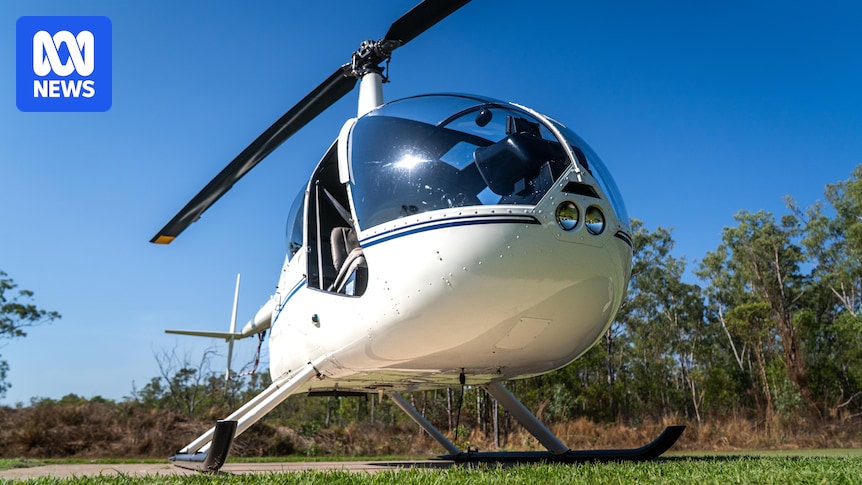
In the brief sent by CASA they said there were repeated issues in verification and documentation of helicopter services. (ABC News: Liam Patrick)
“To ensure observance of regulatory requirements and improve safety culture, specifically, concerning the accurate recording of flight hours and compliance with scheduled maintenance requirements,” she wrote.
‘Routine gaps’ create ‘safety risk’
In this week’s industry brief, CASA said it had uncovered repeated problems regarding “how aircraft serviceability is being verified and documented in the helicopter sector”.
“Across inspections in Northern Australia, we are seeing routine gaps such as mandatory components not clearly verified, removable equipment not presented for maintenance, and operator modifications not fully considered at certification,” the brief said.
CASA said while these were “day to day practices”, they remained essential in determining whether an aircraft was safe to fly.
The Civil Aviation Safety Authority (CASA) is the regulatory body for helicopter operators. (ABC News: Michael Parfitt)
“When missed they can result in aircraft being released into service without a complete picture of their airworthiness,” the brief said.
“This creates a real safety risk.“
CASA said safety within the industry was dependent on “everyone in the system properly discharging their responsibilities”, including engineers, pilots and operators.
Shortage of aircraft maintenance experts in rural areas
The newsletter also included a message from CASA’s chief executive, Pip Spence, who said the organisation was working to address a shortage of licensed aircraft maintenance engineers (LAMEs).
CASA has issued 326 licences so far this year — an 11 per cent increase on 2025.
“This is pleasing but not enough to address the LAME shortage, particularly in rural and regional areas,” Ms Spence said.
“There is no one thing to address the shortage but we’re hoping to top 350 issued licences this year, an increase of more than 20 per cent on last year, with domestic licences potentially up by almost 50 per cent.”
CASA has been contacted for comment.